
Commissioning a Phinisi Liveaboard in Sulawesi
A buyer route map for ordering a liveaboard phinisi from Sulawesi yards: contract specs, remote supervision and payment milestones.

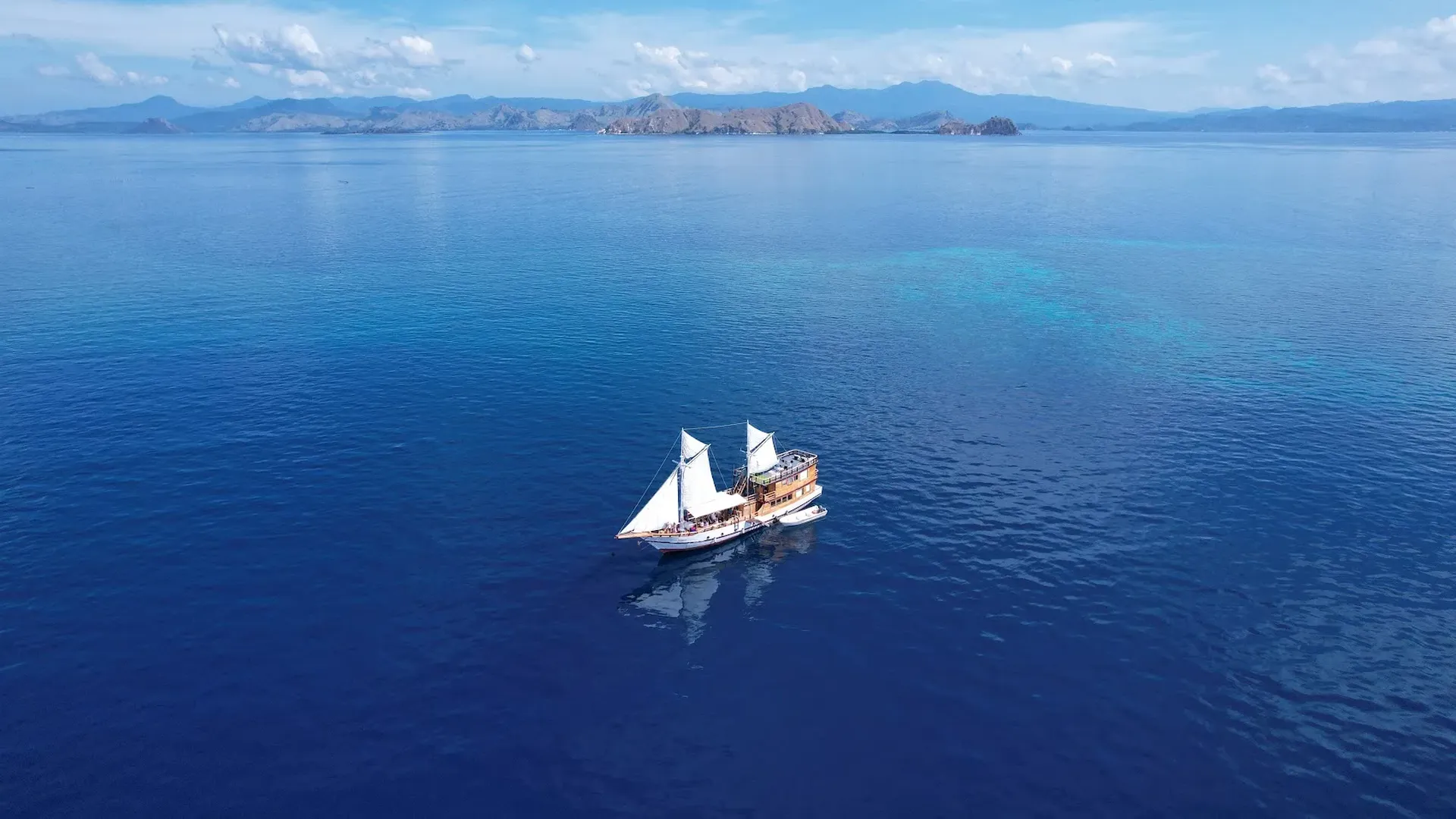
Commissioning a phinisi liveaboard from a Sulawesi yard follows a buyer’s route map with five stations: define the liveaboard spec, select and contract the yard, lock the dive systems into the contract, supervise remotely against milestones, and commission into service. Thousands of buyers have walked this road; the ones who arrive happy all made the same handful of moves early. This is the route map from the buyer’s chair — the vessel-owning side, not the yard’s brochure.
Station One: A Liveaboard Spec, Not a Boat Spec
A liveaboard is a small hotel with a machine room, and the specification must say so. Beyond hull and rig, the contract annex needs: cabin count matched to your market (eight compact for dive groups, five to six generous for premium), en-suite bathrooms with real water budgets, a galley sized to feed full occupancy three times daily, cold storage for ten days of provisions, and crew quarters good enough to keep a crew — the quiet variable that decides service quality at sea. Guests judge a liveaboard on water pressure, food and sleep; write those three systems into the annex with model numbers. The design trade-offs behind these choices are unpacked in our piece on layout and rig decisions for a new build.
Station Two: Dive Systems Belong in the Contract
If the vessel will dive — and in the Komodo and Raja Ampat trade, she will — the dive plant is contract material, not an accessories list: a ventilated compressor room with a primary and backup compressor, nitrox capability if your market expects it (it increasingly does), tank racks for two tanks per guest, rinse tanks and camera stations, and two rigid tenders with reliable outboards, because in current the tender fleet is a safety system. Retrofitting this after launch costs USD 60–150K and a season of disruption; building it in costs a fraction. Buyers acquiring instead of building should measure existing vessels against exactly this list — our Komodo liveaboard buyer desk runs that checklist on every candidate.
Station Three: Remote Supervision That Actually Works
Most liveaboard commissions are supervised from another country, and the pattern that works is boring and effective: an owner’s representative at the yard for every payment milestone — keel and frames, planking, launch, systems commissioning — with photographic reports between visits; payments released on inspection, never on calendar; materials checked against the annex before installation, because unseasoned timber and mystery-brand compressors both enter builds during unsupervised months. Plan three personal visits (keel laying, planking complete, launch) and delegate the rest. The full contract architecture — milestone escrow, retention, dispute ladder — is documented on our new-build commissioning playbook and in the companion article on yard selection and contracts.
Station Four: From Launch to First Guest
The last station is the one schedules forget: a launched vessel is not an operating liveaboard. Between splash and first booking stand systems commissioning under load, the measurement and certification file, crew hiring and familiarization, safety drills, provisioning systems, and a genuine shakedown cruise that produces a snag list while the yard still owes you retention money. Budget three to six months and modest six figures for this station, and schedule your first paying guests for after the shakedown, not before — a premium liveaboard brand rarely recovers from a chaotic first season. The timeline meets reality here, which is why the route map starts 30 months before the season you plan to sell.
The Handover File Your Future Self Needs
At commissioning’s end, insist on one deliverable that busy owners skip: the vessel file. Complete drawings as built (not as designed), wiring and plumbing schematics, every equipment manual and warranty, the certificate stack with renewal dates, the snag list with sign-offs, and the supervision photo archive organized by build stage. This file is operationally priceless — the first engineer you hire will work from it — and financially real: at resale, a complete build file supports the top of the vessel’s price band, while its absence invites every buyer’s surveyor to price the unknown against you. It costs almost nothing to assemble during the build and a small fortune to reconstruct after it.
A parallel account from the buyer side: a foreign buyer custom build file.
Frequently Asked Questions
How long does commissioning a phinisi liveaboard from Sulawesi take end to end?
Thirty to thirty-six months from signed contract to first paying guest: 24–30 months of build, then 3–6 months of certification, crew hiring and shakedown. Yards quote the first number; your business plan must run on the second one.
Can I order a dive-ready phinisi without visiting Sulawesi during the build?
You can, if someone paid by you visits instead: an owner’s representative inspecting at every milestone, with payments gated on his reports. Fully remote builds with calendar-based payments are how buyers discover at launch that the compressor room became a storage locker.
What does the dive equipment package add to a phinisi liveaboard build cost?
Built in during construction: roughly USD 40–90K for compressors, nitrox, racks, tenders and outboards on a mid-market spec. Retrofitted after launch: USD 60–150K plus lost season time. The least costly dive plant is the one in the original contract annex.
Which Sulawesi region should I commission a liveaboard from?
The Bulukumba coast concentrates the deepest phinisi-building expertise and the widest choice of teams; what matters more than the town is the specific yard’s liveaboard track record — a brilliant cargo-hull builder may never have plumbed eight en-suite bathrooms. Judge by launched liveaboards, not postcode.
Planning a Sulawesi liveaboard commission? WhatsApp a buyer’s agent at +62 811-3941-4563 or email bd@juaraholding.com.