
Custom Phinisi Builds in Sulawesi: Direct Orders
Ordering a custom phinisi directly from Sulawesi as a foreign buyer: language and contract culture, payment protection and dispute paths.

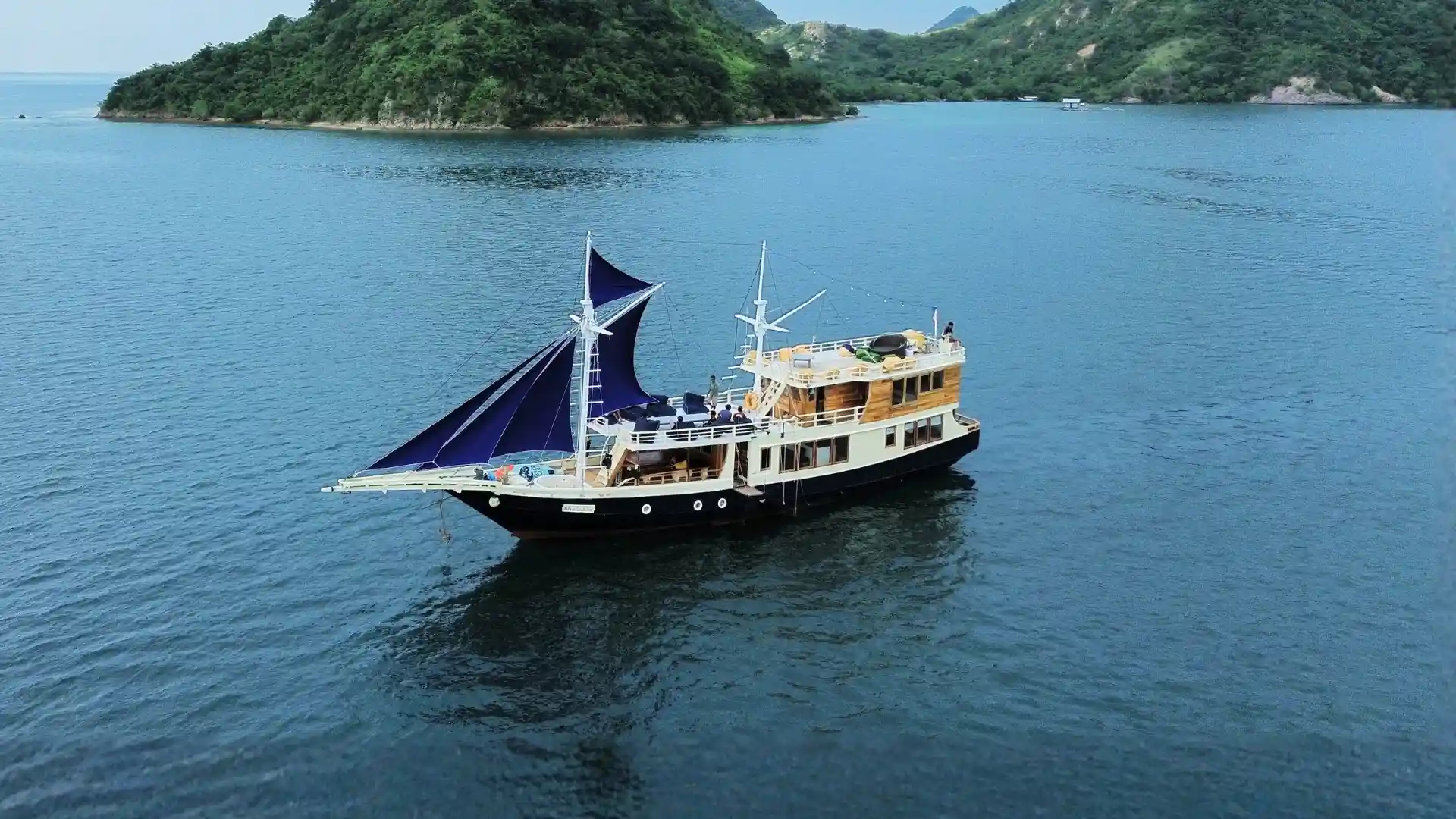
A foreign buyer can order a custom phinisi directly from a Sulawesi yard — many do — but the direct route succeeds or fails on three things the brochure never mentions: how you bridge two contract cultures, how your payments are protected, and what happens when a dispute needs resolving 12,000 kilometres from your lawyer. This article covers the direct-order route honestly: when it beats going through a buyer’s agent, when it does not, and how to run it either way.
Direct vs Through a Buyer’s Agent: The Real Trade
Ordering direct saves the representation fee and creates an unmediated relationship with the yard — valuable to owners who plan multiple builds or who simply want the experience. What it costs is everything the intermediary layer silently does: yard vetting against a transaction history, contract drafting that has survived previous disputes, milestone inspection by someone who knows what week-eight framing should look like, and negotiating leverage when the schedule slips. The honest decision rule: go direct if you can spend meaningful time in Sulawesi yourself (or already have a trusted representative there) and have built or refitted a vessel before; use buyer-side support for a first build, a remote build, or a build whose budget you cannot afford to re-learn lessons with. Our search-survey-handover sequence runs new-build mandates precisely for the second group — and steps back cheerfully for the first.
Language, Culture and the Contract Conversation
The yard conversation runs in Bahasa Indonesia with local conventions underneath it, and misreadings compound quietly. Some practical translations: an enthusiastic “bisa” (can do) is a statement of willingness, not a scheduling commitment; silence after a request often signals a problem nobody wants to voice — ask again, differently, and watch what happens rather than what is said; and pushing for aggressive written penalty clauses early reads as an accusation before the relationship exists, which is why experienced buyers layer their protection into payment structure instead of punishment language. Contract-culture reality: the working document at many beach yards is a two-page agreement and the punggawa’s word, which is genuinely honoured — but registration authorities, insurers and your future buyer all need more paper than that. The workable pattern is a bilingual contract (Indonesian controlling, English mirror) with the specification annex, milestone schedule and materials clauses written plainly enough that both cultures mean the same thing by them. How the yard-side team is structured — and the working etiquette that keeps a build harmonious — is covered in our piece on the shipwright teams of Sulawesi.
Payment Protection and Dispute Escalation
Foreign money moving into a beach yard needs structure at three layers. Banking: pay the yard’s registered entity by traceable transfer — never cash tranches through personal accounts, however customary it feels; your future flag application and tax position both depend on a clean money trail. Structure: milestone payments gated on inspection with 10% retention past sea trial, exactly as detailed on the commissioning terms page; where the yard accepts it, an escrow or lawyer’s client-account arrangement for the larger tranches. Escalation: agree the ladder while everyone is friendly — direct negotiation, then a respected mutual figure as mediator (in the Bulukumba yard communities, senior figures carry real settling authority), then formal arbitration as the final step. Most disputes in this trade settle at the second rung if the relationship was built with respect; almost none survive to the third without destroying the build schedule. The buyers who never need the ladder are the ones whose payments only ever moved after inspection.
The Relationship Budget
Experienced direct-order buyers budget a line no spreadsheet template includes: presence. Three to five trips to Sulawesi across the build, unhurried, some with no inspection agenda at all — meals eaten, launches attended, respect paid. In a trade where the working contract is partly relational, this is not tourism; it is risk management that no clause replicates. The buyers who fly in only when something is wrong teach the yard that their presence means trouble, and the relationship prices itself accordingly.
Frequently Asked Questions
Can a foreigner order a phinisi directly from a Sulawesi yard without an agent?
Yes — no rule requires an intermediary. The practical requirements are presence (yours or a representative’s), a bilingual contract with a real specification annex, and milestone payments gated on inspection. First-time and fully remote buyers statistically fare better with buyer-side support; experienced, present buyers do well direct.
How should payments to an Indonesian yard be protected on a direct order?
Traceable transfers to the yard’s registered entity, five to six inspection-gated milestones, 10% retention until after sea trial, and where possible an escrow or client-account arrangement for large tranches. The protection is the structure itself — no clause substitutes for money that has not moved yet.
What happens if a dispute arises mid-build with a Sulawesi yard?
Escalate in the agreed order: direct talks, then mediation through a mutually respected senior figure — a mechanism with real force in the yard communities — then arbitration as the last resort. Deals structured with inspection-gated payments rarely reach the third rung, because leverage never left the buyer’s side.
Do Sulawesi yards accept contracts in English for foreign buyers?
Established yards do, as a bilingual document with the Indonesian text controlling — which is also the enforceable arrangement locally. Insist both versions are professionally translated rather than machine-mirrored; the expensive disputes are the ones where the two languages quietly said different things about the same milestone.
Weighing direct-order against supported commissioning? Talk it through: WhatsApp +62 811-3941-4563 or bd@juaraholding.com.