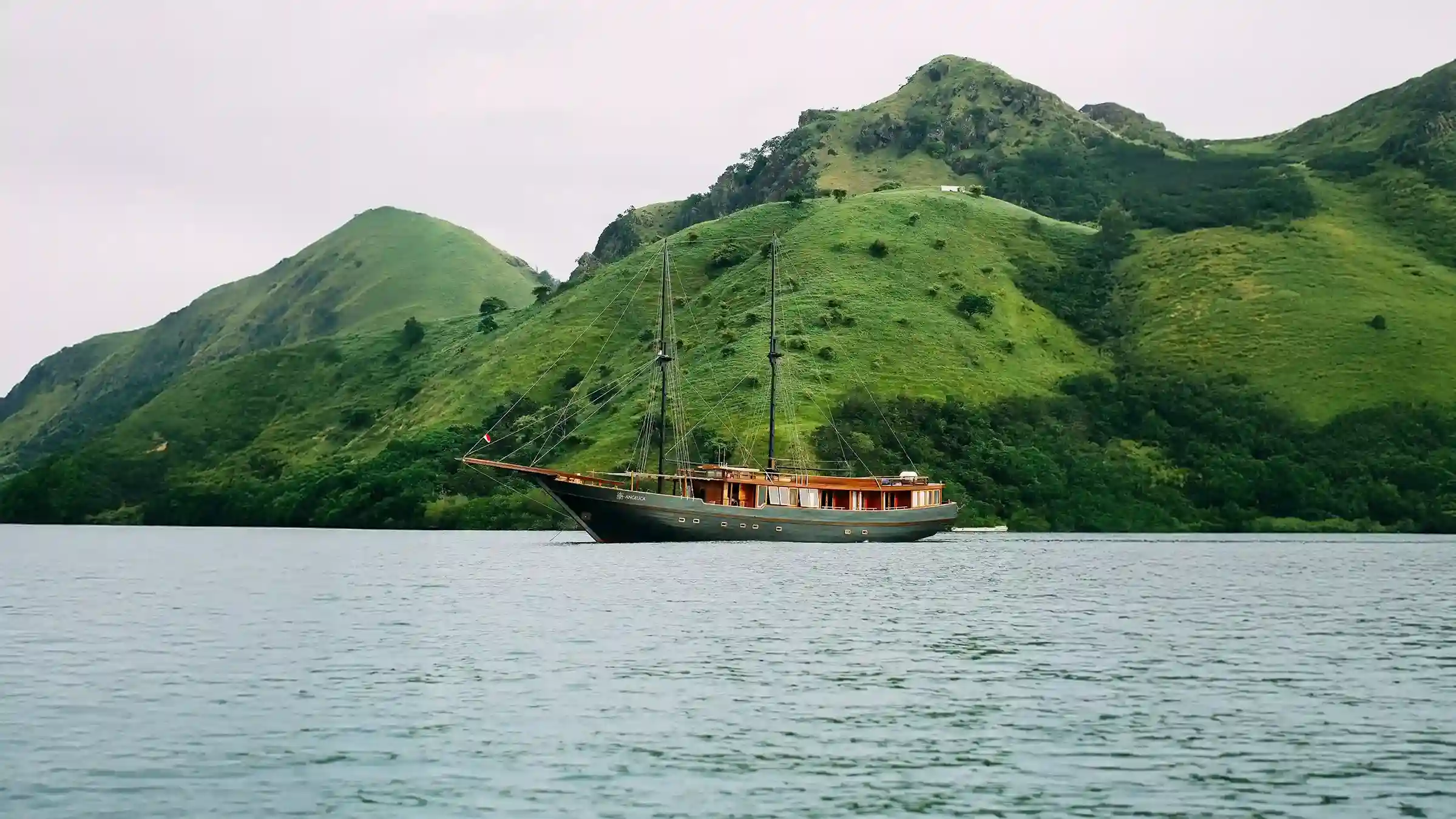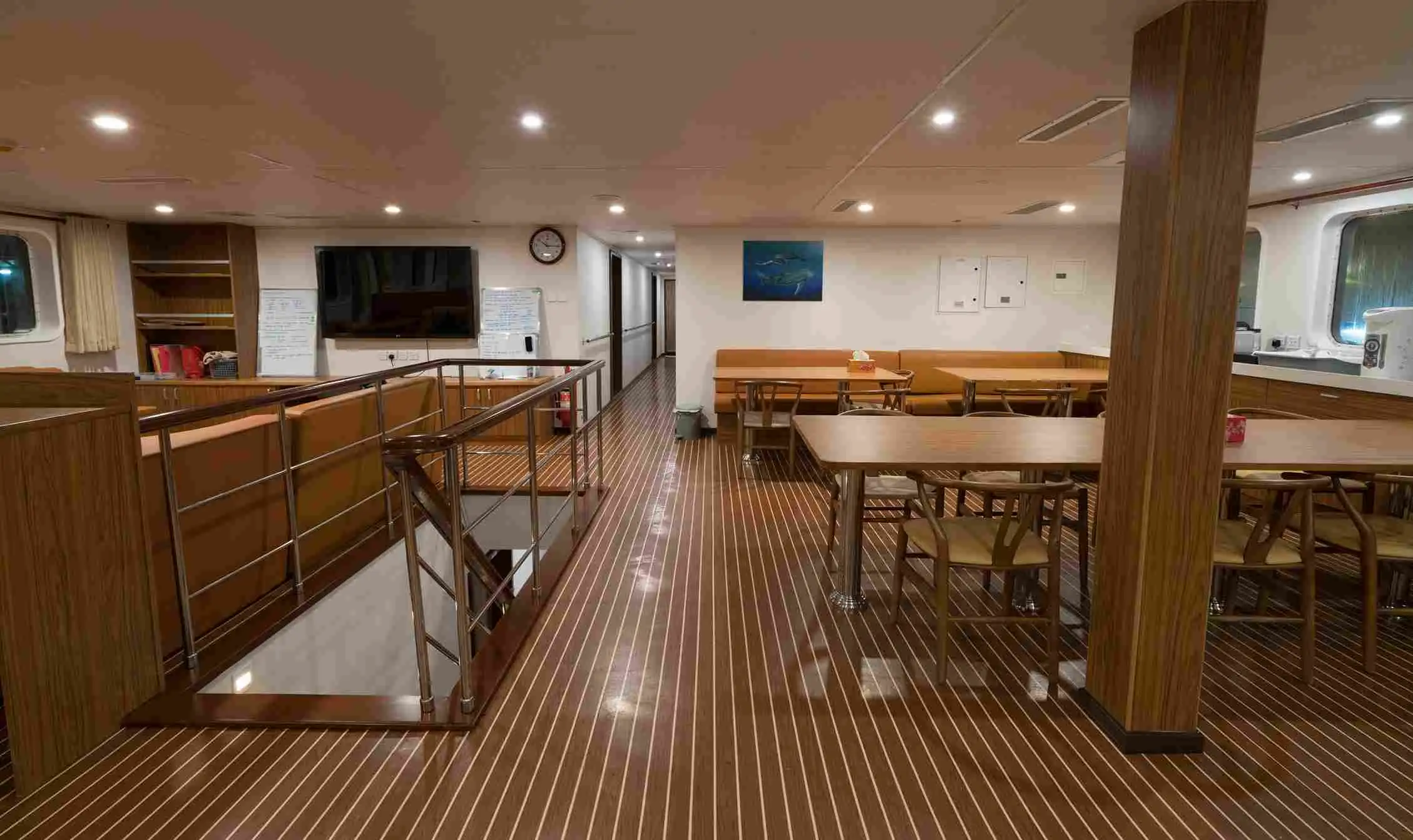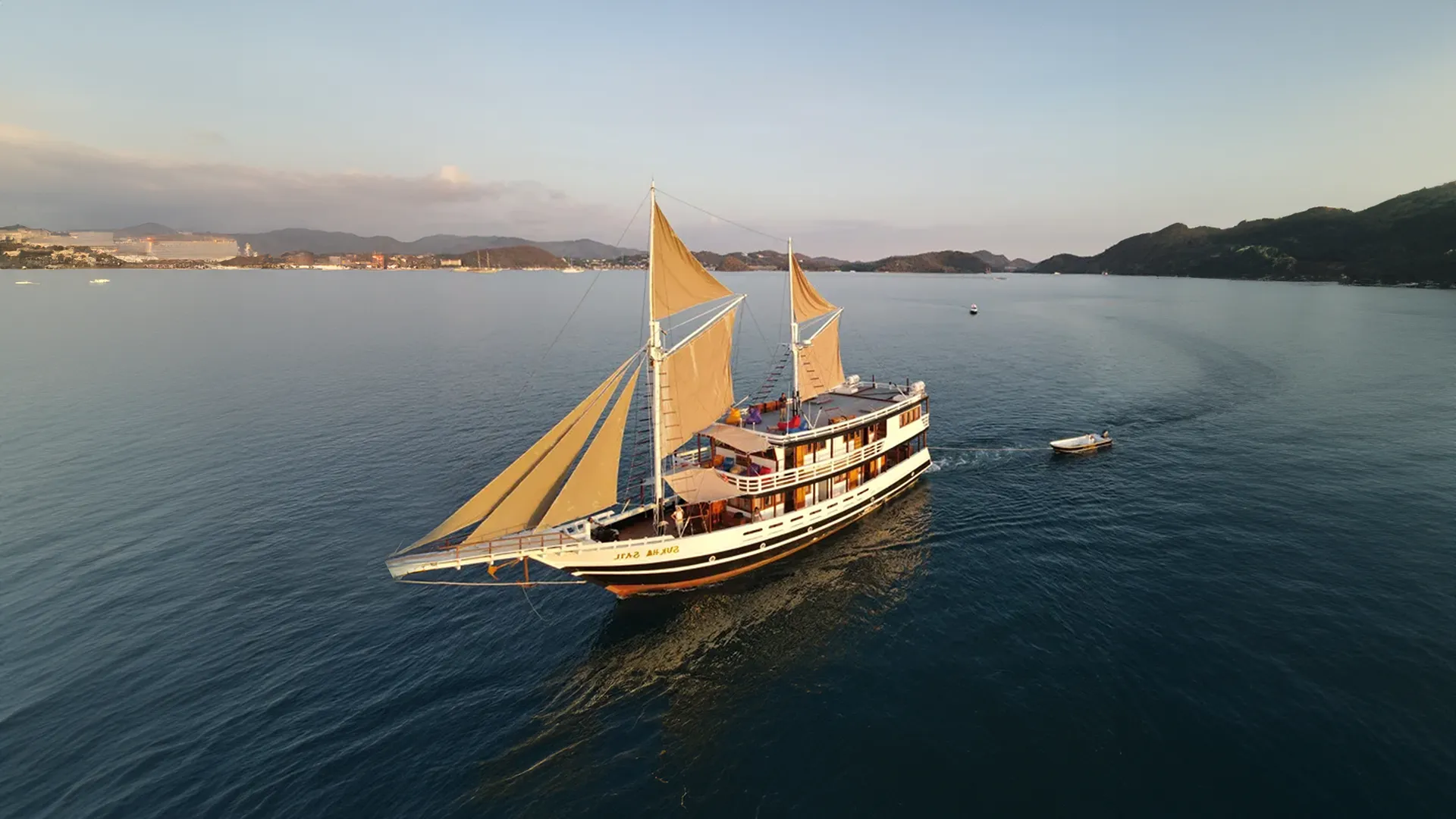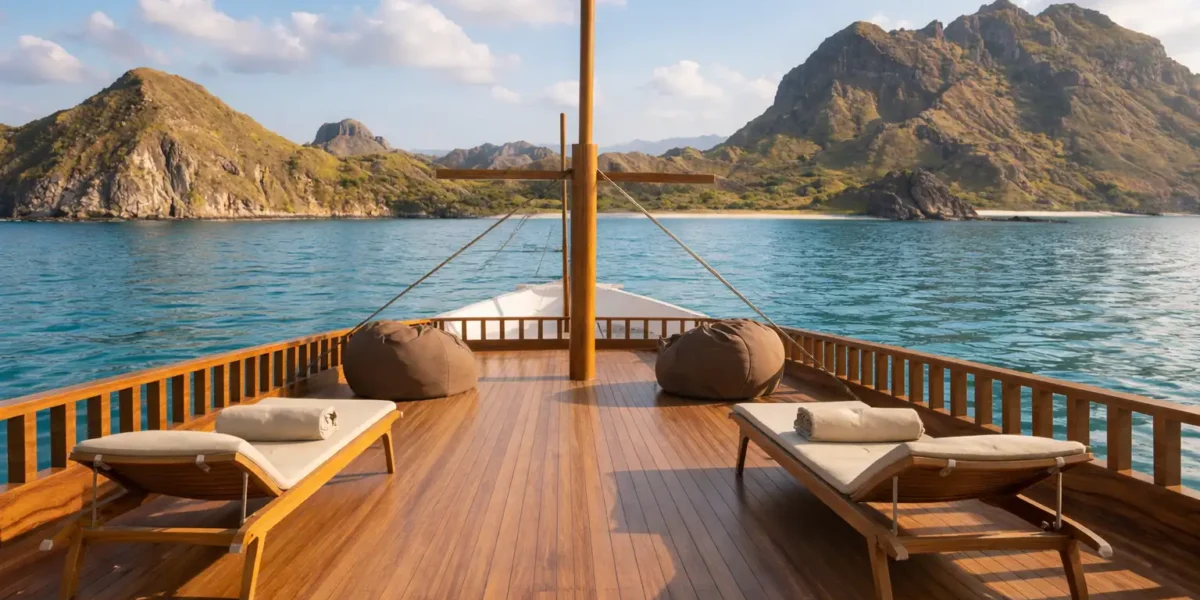
Buy a Phinisi in Komodo — Charter-Ready Purchase
Buying a phinisi already operating in Komodo National Park is the fastest route to charter revenue: the vessel comes with routes, permits, crew and — critically — a booking history you can verify before you sign. Charter-ready phinisi working Komodo waters typically close between USD 2.5 and 5 million as of 2026, with premium 40m+ yachts reaching USD 6.8 million. Our buyer-side team represents you through revenue verification, permit due diligence, survey and escrow, with typical closings inside 60–120 days.

Why buy a vessel already working Komodo
Komodo National Park is the anchor of Indonesia’s liveaboard market, and charter demand has grown roughly 22% year on year. A phinisi with an established Komodo operation carries value a bare hull cannot: repeat-guest lists, agency relationships, published itineraries, trained crew and an operating rhythm tuned to park regulations. When that history is genuine, you begin earning from your first season instead of spending 12–18 months building a reputation. When it is inflated — and asking prices frequently assume it is not — a buyer without independent representation pays for revenue that never existed. Verifying the difference is the core of our work in Komodo purchases.
- Charter demand
- roughly 22% year on year
- Charter-ready closings
- between USD 2.5 and 5 million
- Premium 40m+ yachts
- USD 6.8 million
- Typical closings
- inside 60–120 days
Revenue verification before price negotiation
Before any offer is structured, we reconcile the seller’s stated charter income against evidence: bank statements, agency remittance records, park entry logs and portal booking calendars. A 45m phinisi in consistent Komodo operation can generate USD 1.4–2.4 million in annual charter revenue, against annual operating costs of roughly USD 720,000–950,000 for crew, fuel, maintenance, insurance and management — the full breakdown is on our operating economics page. The verified net figure, not the brochure figure, sets our view of fair value, and the gap between the two is usually the strongest negotiation lever a buyer holds. Our wider analysis of the asset class is set out in the phinisi investment case.
Permits, park access and what actually transfers
Komodo operations sit on a stack of authorisations: tourism and sea-transport licences, park access arrangements, crew certifications and safety documentation. Not all of it transfers automatically with the hull. Part of our due diligence is mapping which permissions follow the vessel, which follow the operating company, and which must be re-applied for by the new owner — then sequencing the closing so you are never holding a yacht that cannot legally carry guests. Foreign buyers running Indonesian-flag charters will generally acquire or form a PMA company; see our PMA formation guide for structure, timeline and costs.
Survey and sea trial in working waters
A charter-ready boat is a working boat, and Komodo’s currents work hulls hard. We commission the independent survey — USD 8,000–18,000 for a 60–80 page report — and insist on a sea trial of 2–4 hours under sail and engine in real conditions, with particular attention to shaft-line wear, generator hours and the systems a full guest load stresses. Where the survey supports it, rectification is priced into the deal or completed by the seller before handover. The stage-by-stage sequence is described in our buyer’s process.
- Independent survey
- USD 8,000–18,000
- Report
- 60–80 page report
- Sea trial
- 2–4 hours under sail and engine
Where the inventory is
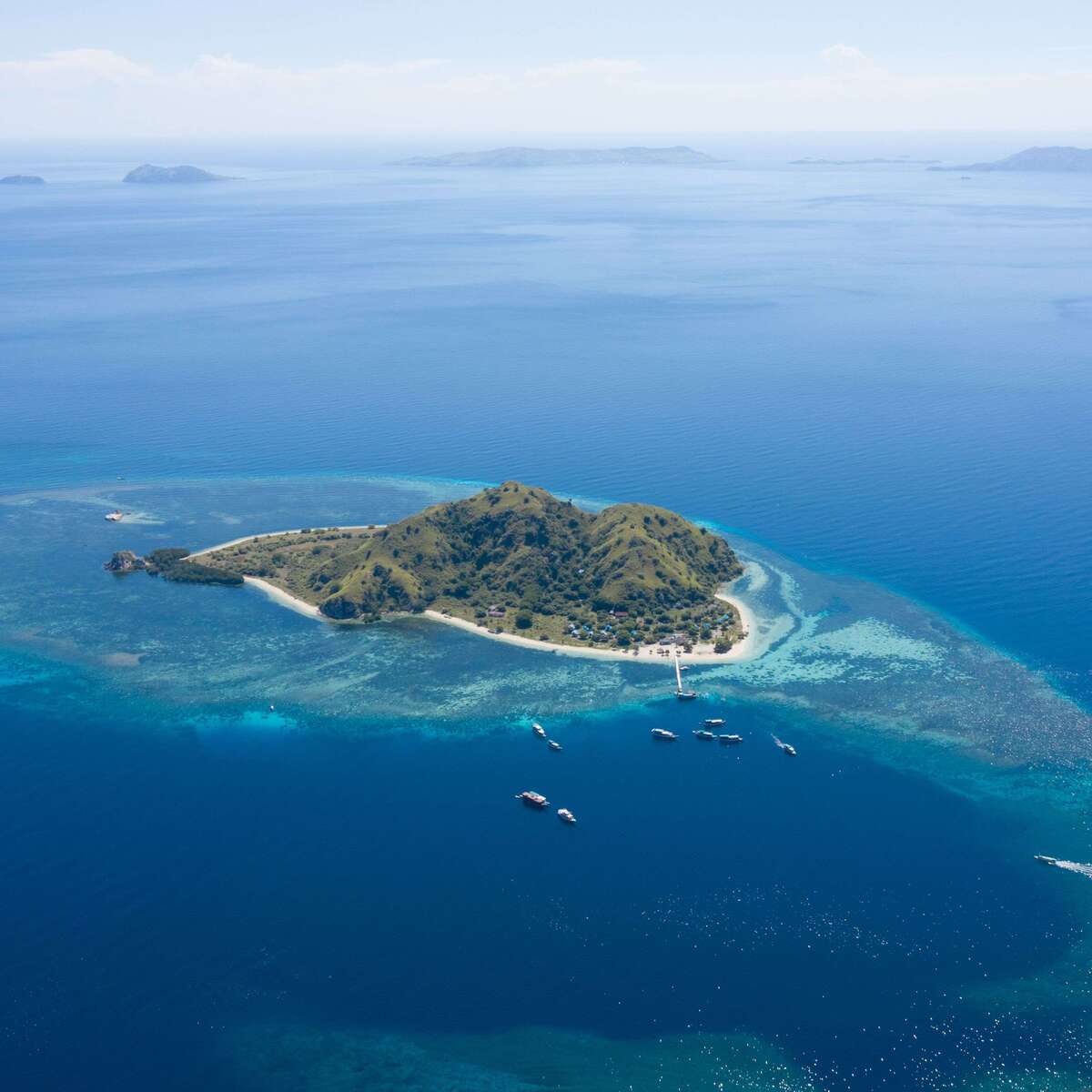
Operating Komodo vessels rarely appear on public portals first; owners test the market quietly through networks. Our current buyer-side opportunities are on the active listings page, and the seller-side asking prices we track across eastern Indonesia are summarised on the same phinisi-for-sale briefing — logged at close range from the Labuan Bajo marina that hosts our local buyer’s desk. Buyers who prefer to start from Bali’s lay-up harbours should begin with our Bali buyer representation page.
Continue Your Buyer Journey
Resources curated by our buyer-side team — read in any order.
Frequently asked questions
01What does a charter-ready phinisi in Komodo cost?
As of 2026, operating vessels with verifiable Komodo booking history generally close between USD 2.5 and 5 million, with recently refitted 40m+ yachts reaching USD 6.8 million. Rate structures depend on length, cabin count, refit age and — above all — the quality of the revenue record. Vessels whose stated income survives independent verification command firmer pricing; those that do not create room for meaningful repricing in the buyer’s favour.
01Does the charter business transfer with the boat?
Only partly, and this is the most common misunderstanding in Komodo purchases. The hull, equipment and crew contracts can transfer at closing, but several licences attach to the operating company rather than the vessel. Depending on structure, buyers either acquire the operating company itself or form a new PMA and re-permit. We map exactly what transfers before the offer is made, so the price reflects reality.
01Can I keep the existing crew?
Usually yes, and in most cases you should want to: a crew that knows the vessel, the park’s mooring fields and the seasonal weather is a large part of what you are buying. We review crew contracts, certifications and payroll during due diligence and structure handover so continuity of employment is agreed with the seller before closing.
02When is the best time to close on a Komodo vessel?
The practical window is October to May, outside the June–September peak. Sellers are more engaged when the calendar is quiet, surveys and haul-outs are easier to schedule, and a closing completed by April gives the new owner a full high season with the vessel already re-permitted and marketed.
Buy a Phinisi in Komodo — Charter-Ready Purchase
To verify and acquire a charter-ready phinisi in Komodo, contact the buyer’s representation team via WhatsApp +62 811 3941 4563 or email sales@komodoluxury.com — desks in Seminyak (Bali) and Labuan Bajo.