Best Time for Buy Phinisi

The best time to buy a phinisi yacht in Indonesia hinges on a nuanced interplay of seasonal weather patterns, marine conditions, market demand, and pricing fluctuations across this vast archipelago. While the dry season (May-October) offers optimal cruising weather and peak viewing opportunities, the shoulder and wet seasons can present strategic advantages for astute buyers.
- **Dry Season (May-October):** Ideal for viewing active yachts, stable weather, calm seas, but higher market demand.
- **Shoulder Seasons (April & November):** Offers a balance of good weather and potential for more favorable pricing and negotiation.
- **Wet Season (December-March):** Opportunities for value acquisition, especially in regions like Raja Ampat, despite increased rainfall.
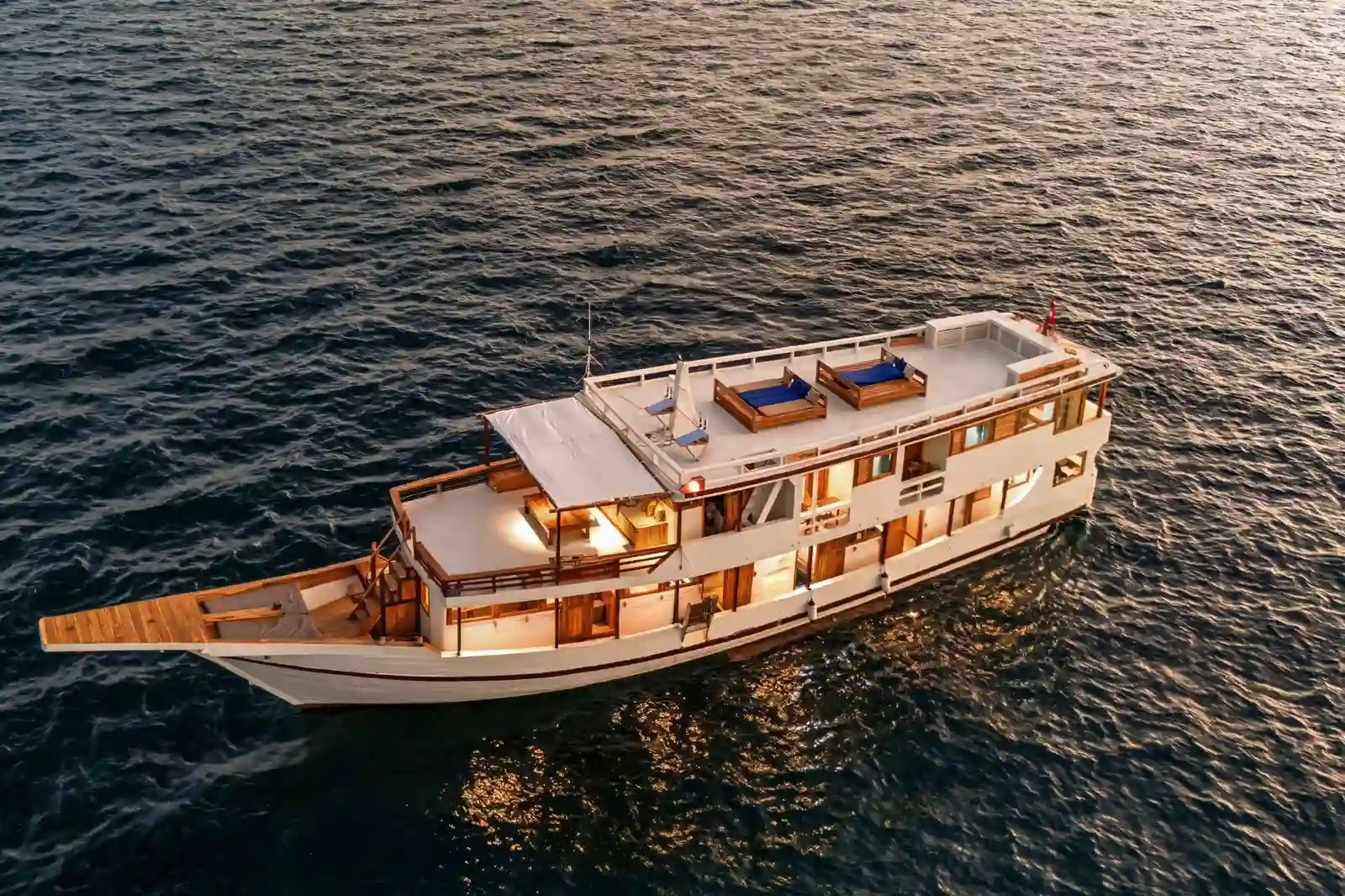
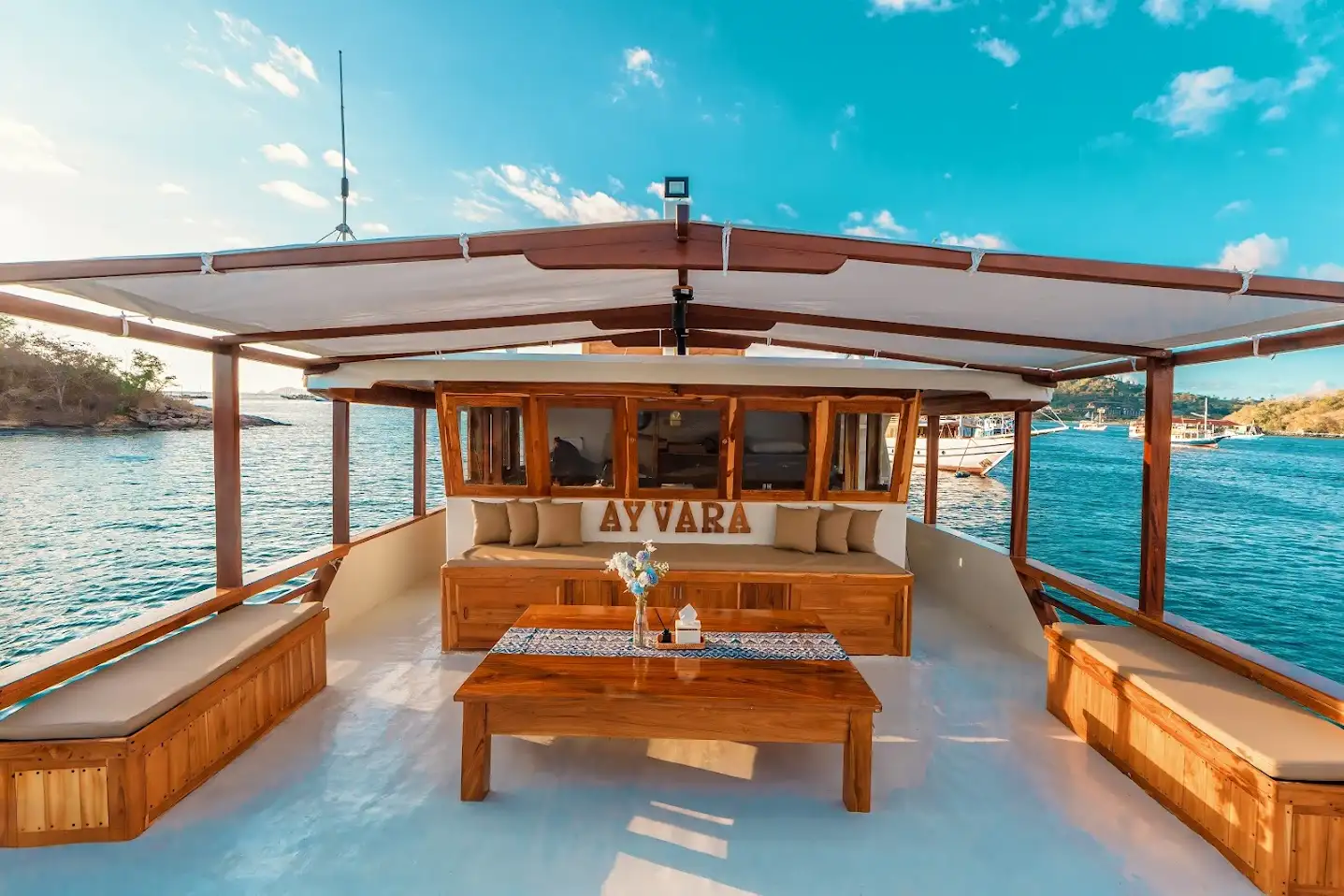
Imagine the warm planks of teak underfoot, the scent of sea salt and distant frangipani carried on a gentle breeze. The sun, a golden orb, dips towards the horizon, painting the sky in strokes of tangerine and rose as your phinisi yacht glides silently through the turquoise waters of the Indonesian archipelago. This isn’t just a dream; it’s a tangible reality for those who understand the rhythms of this vibrant maritime nation. When you decide to buy phinisi yacht, timing becomes paramount. It’s not merely about finding the perfect vessel; it’s about aligning your acquisition with the optimal conditions for viewing, negotiation, and future enjoyment. We examine the monthly pulse of Indonesia, guiding you through weather patterns, marine conditions, crowd densities, and pricing windows, ensuring your journey to ownership is as seamless and rewarding as the voyages your phinisi will undertake.
The Dry Season: Unveiling Your Phinisi Dream (May – October)
As the southern hemisphere winter descends, Indonesia’s vast maritime domain enters its glorious dry season, a period extending from May through October. This is, unequivocally, the peak time for luxury tourism and yachting across much of the archipelago, particularly in the Lesser Sunda Islands, including the iconic Komodo National Park. The skies are consistently clear, painted a vivid blue, with daily temperatures comfortably hovering between 28°C and 32°C. Rainfall is minimal, often less than 50mm per month, ensuring uninterrupted days of exploration and relaxation. The humidity, while always present in the tropics, feels less oppressive compared to the wet season, typically ranging from 70% to 80%.
Marine conditions during these months are truly exceptional. The seas around Komodo, Flores, and the Alor archipelago are at their calmest, with gentle swells and predictable currents. Dive visibility frequently extends to an impressive 20-30 meters, revealing vibrant coral gardens and an abundance of marine life. For those looking to buy phinisi yacht for charter operations, this period sees the highest demand, with charter rates often increasing by 15-20% compared to other seasons. This robust demand means yachts are actively operating, providing excellent opportunities for potential buyers to observe vessels in full service, assessing their maintenance, crew professionalism, and guest experience firsthand. While prices for acquisition might be firmer due to high demand, the transparency of an active market can be invaluable. Expect to see a higher concentration of luxury phinisis across key anchorages, with over 90% sunny days making sea trials and inspections a delight.
Komodo’s Dry Season Majesty
During the dry season, Komodo National Park stands as the undisputed jewel of Indonesian yachting. The legendary Komodo dragons bask in the sun, and the surrounding waters teem with manta rays, sharks, and kaleidoscopic reef fish. The strong currents that characterize Komodo are still present, but their predictability allows for expert navigation and thrilling drift dives. Water temperatures consistently average 26-28°C, making extended swims and dives incredibly comfortable. This period also coincides with the peak migration of certain whale species through the Banda Sea, offering rare sightings. While the dry season attracts more visitors, often seeing a 20-30% increase in tourist numbers compared to the shoulder seasons, the sheer scale of the Indonesian archipelago ensures that secluded coves and pristine anchorages remain abundant for those aboard a private phinisi.
Shoulder Season: Strategic Acquisition Windows (April & November)
The shoulder seasons of April and November offer a compelling proposition for the discerning buyer looking to acquire a phinisi. These months represent transitional periods, bridging the distinct characteristics of the dry and wet seasons, and often present a sweet spot for both weather and market dynamics. In April, the archipelago is emerging from the tail end of the wet season, shedding its rain clouds in anticipation of the dry season’s glory. Temperatures remain consistently warm, averaging 29-33°C, and while occasional showers might still occur, they are typically brief and refreshing, with monthly rainfall dropping to around 100-150mm. The air starts to feel drier, and the seas, particularly in the western regions like Sumatra and parts of Java, begin to calm significantly.
November, conversely, marks the gentle descent from the dry season into the onset of the wet. While some areas, especially in the west, might experience an increase in cloud cover and sporadic rain showers (up to 180mm/month), the east, particularly around Raja Ampat, begins to experience its calmest and most desirable conditions. Crucially, both April and November witness a noticeable dip in tourist crowds, often 15-20% fewer visitors compared to the peak dry season. This reduction in demand can translate directly into more favorable conditions for buyers. Owners might be more amenable to negotiation, potentially offering a 5-10% price reduction on a phinisi yacht for sale, eager to finalize a deal before the full swing of either peak charter season or extended wet season maintenance. Viewings become less rushed, and logistics for surveys and inspections are often simpler to arrange, offering a more personalized and relaxed acquisition process.
April’s Promise: Calm Before the Rush
April offers a unique window of opportunity. The vibrant greens of the landscape, refreshed by the preceding rains, are at their most verdant, providing a lush backdrop to the clear waters. Marine life remains abundant, and dive sites are less crowded. This month is particularly appealing for those seeking to purchase a phinisi with the intention of immediate dry season chartering, allowing ample time for final preparations and crew onboarding before the peak season commences. The average sea state is moderate, with wave heights generally under 1.5 meters, making for comfortable cruising and thorough sea trials. It’s a moment of quiet anticipation, where the potential of the coming high season is palpable, yet the market hasn’t yet reached its zenith of activity.
The Wet Season: Unearthing Value (December – March)
From December through March, the Indonesian archipelago experiences its wet season, characterized by higher rainfall and increased humidity, often reaching 80-90%. While many buyers might initially shy away from this period, it is precisely during these months that the most compelling value propositions can emerge for those looking to buy phinisi yacht. Temperatures remain consistently warm, typically between 27°C and 31°C, but daily showers, often intense but relatively brief, are common. Monthly rainfall can average 200-300mm in many regions, particularly in the western parts of the country. This shift in weather significantly impacts tourism, leading to the lowest crowd levels of the year, often a 30-40% decrease compared to the dry season peak.
Lower tourist numbers translate directly into reduced demand for charters, prompting some owners to consider selling. This creates a buyer’s market, where negotiation power is at its highest. Potential price reductions of up to 20% might be achievable, especially for owners looking to minimize ongoing operational costs during a slower period or those planning major dry-dock maintenance. While the seas around Komodo and Bali can be choppier, with swells occasionally reaching 2-3 meters, making extensive sea trials challenging, this period is paradoxically the prime time for exploring Indonesia’s easternmost gem: Raja Ampat. The local yachting community often shifts its focus eastward, where the wet season for the western archipelago corresponds to Raja Ampat’s calmest and most spectacular cruising conditions.
Raja Ampat’s Rainy Season Revelation
For those considering a phinisi destined for the pristine waters of Raja Ampat, the “wet season” (roughly October to April) is actually the region’s dry season, offering exceptional cruising. Located near the equator, Raja Ampat’s weather patterns operate on a different cycle. During the months when Komodo experiences its rains, Raja Ampat enjoys clear skies, minimal wind, and exceptionally calm seas. Dive visibility can be a staggering 25-40 meters, showcasing the world’s most biodiverse marine ecosystem. This makes it an ideal time to view and survey a phinisi already positioned in the east, or to plan a delivery voyage there. The calm conditions are perfect for exploring the thousands of limestone karsts and hidden lagoons that define this UNESCO World Heritage site. UNESCO World Heritage status underscores the ecological importance of this region. While the overall market might be slower, a targeted search for a phinisi operating in Raja Ampat during these months can yield exceptional viewing opportunities in optimal conditions, potentially with less competition from other buyers.
Navigating Pricing Cycles and Market Dynamics
Understanding the cyclical nature of pricing in the Indonesian phinisi market is crucial for a strategic acquisition. Beyond the immediate impact of weather and tourism, several underlying market dynamics influence when the best deals emerge. The dry season, with its peak charter demand, often sees yachts operating at full capacity, generating substantial revenue. Owners are less inclined to sell during this lucrative period, and if they do, prices reflect the premium of a well-maintained, actively generating asset. Conversely, the wet season can present opportunities. Many phinisi owners schedule their annual dry-docking and major maintenance periods during these months. A vessel undergoing significant refit might be available at a reduced price, as the owner seeks to offset costs or liquidate an asset before incurring further expenses. Annual maintenance budgets for a luxury phinisi typically range from 5% to 10% of its total value, a significant consideration that can drive selling decisions.
Moreover, the broader economic climate and global tourism trends play a role. A strong global economy and high demand for luxury travel generally bolster phinisi prices. Conversely, downturns or unforeseen events can create opportunities for buyers, as owners might seek liquidity. Exchange rates between major currencies and the Indonesian Rupiah also factor into the final cost, with favorable rates potentially saving a buyer thousands of dollars. It is essential to remember that the Indonesian phinisi market, while growing, remains relatively niche. Many sales happen off-market through trusted brokers and networks. Building relationships with reputable industry professionals can provide access to these exclusive opportunities, regardless of the season. A professional valuation, independent of the seller’s asking price, is always recommended, providing an objective assessment of the vessel’s true market value.
Marine Conditions: A Buyer’s Compass
The vastness of Indonesia means marine conditions vary significantly across regions and seasons, a critical factor when considering where your phinisi will predominantly operate. The archipelago spans over 5,000 kilometers, encompassing three distinct time zones and a multitude of microclimates. Understanding these nuances is key to a successful purchase and happy ownership. For instance, the renowned Komodo National Park, while offering spectacular diving, is known for its strong tidal currents, which can reach up to 8 knots in certain passages. These currents are a defining feature of its rich marine biodiversity but require experienced captains and well-engineered vessels. During the dry season (May-October), these currents are more predictable, and sea states are generally calmer, with average wave heights under 1 meter. This creates ideal conditions for extensive cruising and diving, with water visibility often exceeding 25 meters.
In contrast, Raja Ampat, located in West Papua, experiences its calmest and most desirable conditions from October to April. During these months, the seas are placid, winds are light, and visibility is consistently excellent, often between 25-40 meters. This makes it a prime destination for luxury charters during the period when western Indonesia is experiencing its wet season. The Banda Sea, famous for its ‘Ring of Fire’ volcanoes and seasonal whale migrations, also has specific windows for optimal cruising, typically from September to November and March to May, avoiding the stronger monsoon winds. Navigating these regional and seasonal shifts requires local expertise. When conducting a pre-purchase survey, it is imperative to have marine surveyors who understand these specific conditions. The structural integrity of a phinisi, its engine performance, and navigation systems must be assessed against the backdrop of the challenging yet rewarding Indonesian seas. Checking the vessel’s last dry-docking date and the scope of work performed provides crucial insight into its ongoing maintenance regimen, with most luxury yachts undergoing dry dock every 1-2 years.
Strategic Planning for Your Phinisi Acquisition
The decision to buy a phinisi yacht is a significant investment, one that extends beyond the purchase price to encompass operational costs, maintenance, and the sheer joy of ownership. Strategic planning, informed by the seasonal insights discussed, is paramount. Begin by clearly defining your primary use case: Will it be a private family yacht, a luxury charter vessel, or a combination of both? This will influence the ideal timing for your purchase. If you aim for immediate charter income in the dry season, a shoulder season acquisition in April or May might be ideal, allowing for final preparations. If your priority is finding the best possible value, and you are prepared for potential refit work, the wet season could present exceptional opportunities. The registration process for a foreign-owned yacht in Indonesia can take anywhere from 3 to 6 months, so factor this administrative timeline into your overall plan.
Engage with experienced yacht brokers who specialize in the Indonesian market. Their local knowledge of available vessels, market trends, and regulatory requirements is invaluable. Consider visiting Indonesia during different seasons to personally experience the variations in weather and marine conditions. This firsthand experience can solidify your understanding of how seasonality impacts yacht ownership and operation. Consult with maritime lawyers for guidance on ownership structures and flag registration. For further general information on travelling and living in Indonesia, the official tourism website indonesia.travel offers a wealth of resources. Ultimately, the “best” time to buy phinisi yacht is when your personal readiness aligns with market opportunities and the specific characteristics of the vessel you desire. By meticulously planning and leveraging seasonal insights, you position yourself for a truly rewarding acquisition, embarking on a journey that promises exceptional luxury and discovery across Indonesia’s enchanting waters.
Your dream phinisi awaits. Explore our exquisite collection and let us guide you through the journey of acquiring your piece of Indonesian maritime heritage. Contact our expert team today to begin crafting your bespoke acquisition strategy.