
The Phinisi Liveaboard as an Investment
Share and syndicate structures for phinisi liveaboards: minimum tickets, dive versus cruise return profiles and realistic exit paths.

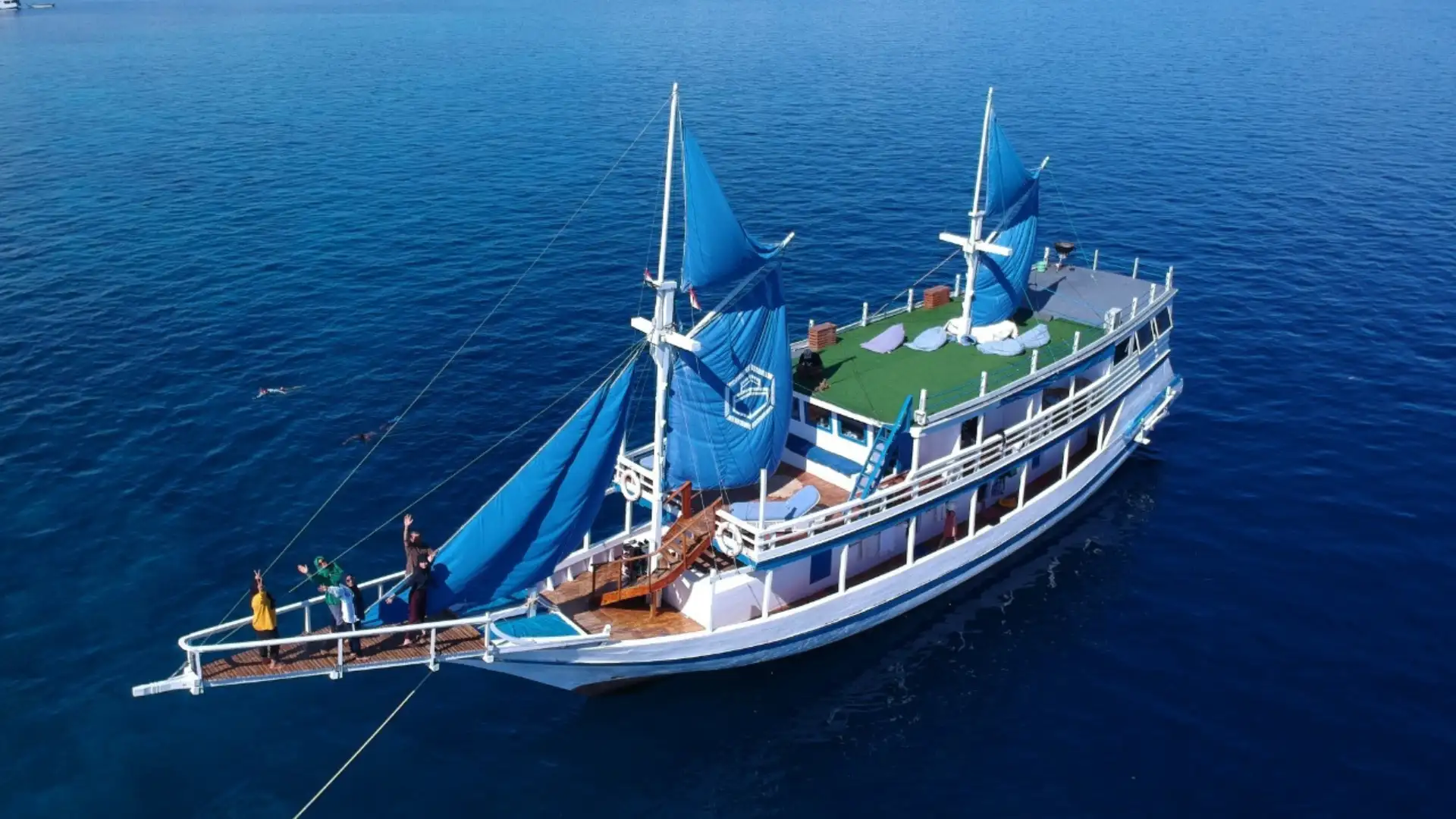
A phinisi liveaboard can be owned in shares — through syndicates and partnership structures with tickets from roughly USD 50K — and the investment behaves very differently depending on whether the vessel serves the dive market or the cruise market. This article covers the share structures that actually hold up, the two return profiles, and the exit paths a minority holder should insist on before joining. It is the liveaboard-specific companion to our general piece on phinisi partnership structures.
Minimum Tickets and the Structures That Hold
The liveaboard syndicates that survive scrutiny share one architecture: a PT PMA owns and operates the vessel (or owns it and contracts a professional operator), investors hold real registered shares, and a shareholder agreement defines reporting, distributions and exit. Ticket sizes in the current market: minority shares in mid-market dive vessels from about USD 50K–150K; meaningful stakes (10–25%) in premium liveaboards from USD 200K–500K; control positions priced off whole-vessel values in the acquisition price bands bands. Two structural warnings, both learned expensively by others: nominee arrangements that keep foreign investors off the register are void under Indonesian investment law — the paper you hold in that structure enforces nothing; and “guaranteed return” liveaboard offerings are unlicensed loans wearing equity’s clothes. If the operator cannot show you the shareholder register with your name’s future place on it, the conversation is finished.
Dive vs Cruise: Two Different Return Profiles
The word “liveaboard” hides two businesses. Dive liveaboards — Komodo and Raja Ampat routes, 8 compact cabins, USD 350–600 per diver-night — run higher occupancy (dive demand books earlier and repeats more), higher wear (compressors, tenders and hull hours), and revenue that concentrates in guided-trip quality; their returns look like an operations business: 20–30% net margins for disciplined operators, sensitive to crew and reputation. Cruise liveaboards — the same hulls sold as scenery, food and sundecks, 5–6 larger cabins at USD 800–1,200 — run lower occupancy at higher rates with gentler wear; their returns look like boutique hospitality: fatter margins per guest, thinner seasons, and brand-dependence that makes the marketing engine the real asset. A share in a dive boat is a bet on an operations team; a share in a cruise boat is a bet on a brand. The vessel-level economics behind both profiles — occupancy scenarios, cost stacks, payback ranges — are worked through in the ownership investment case, and the buy-side spec of a dive-capable vessel in the Komodo liveaboard buying desk.
Exit Paths: Sell the Share or Sell the Ship
Every liveaboard share needs a written answer to “how do I leave?” — and there are only four honest answers. Internal transfer: co-shareholders hold first refusal at a formula valuation (typically an agreed multiple of trailing net plus surveyed vessel value); the cleanest exit, if the agreement defined the formula on day one. External sale of the share: legal but slow — the buyer pool for minority stakes in Indonesian vessel companies is thin, so price expectations should be humble. Whole-vessel sale: the structure’s collective exit, triggered by supermajority under the agreement; documented, earning liveaboards sell within a season or two, and shares convert to cash at completion. The slow exit: holding through the vessel’s later years while distributions amortize the position, then selling at refit-decision point. The pattern across all four: exits price off the records — survey history, maintenance file, verified earnings. A syndicate that keeps clean records is manufacturing its own liquidity; one that does not has already chosen the slow exit for everyone.
The Reporting Pack a Good Syndicate Sends
Judge an operator before investing by asking for a sample quarterly pack. The good ones send, without being chased: occupancy and achieved-rate against budget, the full cost ledger with maintenance reserve movements, forward bookings by month, crew and certificate status, and a short honest narrative of what went wrong that quarter. If the sample pack is a WhatsApp voice note and a bank screenshot, you have learned everything you needed to know at zero cost.
What the asset gives back beyond yield: the owner liveaboard lifestyle in Bali.
Frequently Asked Questions
What is the minimum investment for a share in a liveaboard phinisi in Indonesia?
Realistic entry sits around USD 50K–150K for registered minority shares in mid-market dive vessels, and USD 200K–500K for meaningful stakes in premium operations. Offers materially below that range usually cannot carry their own structure costs — ask what corners funded the difference.
Are dive liveaboards or cruise liveaboards the better investment?
Dive vessels return through occupancy and operations discipline; cruise vessels through rate and brand. Dive revenue is steadier and repeats; cruise margins are fatter and more fragile. The honest answer is to match the share to what you can evaluate — an operations team or a hospitality brand — not to chase the higher headline yield.
How do I exit a phinisi liveaboard syndicate if I need liquidity?
Through whichever mechanism the shareholder agreement defined: internal first-refusal at a formula price, external share sale, or a collective vessel sale. If the agreement defines none of these, your realistic exit is waiting for distributions — which is why the exit clause is the first page a prospective investor should read.
What reporting frequency should a phinisi syndicate commit to?
Quarterly as the written minimum — occupancy, ledger, reserve movements, forward bookings — with an annual audited or at least accountant-reviewed statement. Monthly flash numbers are a bonus, not a substitute: the quarterly pack with a maintenance-reserve line is where problems become visible while they are still affordable.
Reviewing a liveaboard share offer? Have the structure examined first: WhatsApp +62 811-3941-4563 or bd@juaraholding.com.