
Charter Yacht ROI in Indonesia: The Numbers
Real occupancy, seasonality and per-cabin rates behind Indonesian charter yacht returns, with honest payback periods and sensitivities.

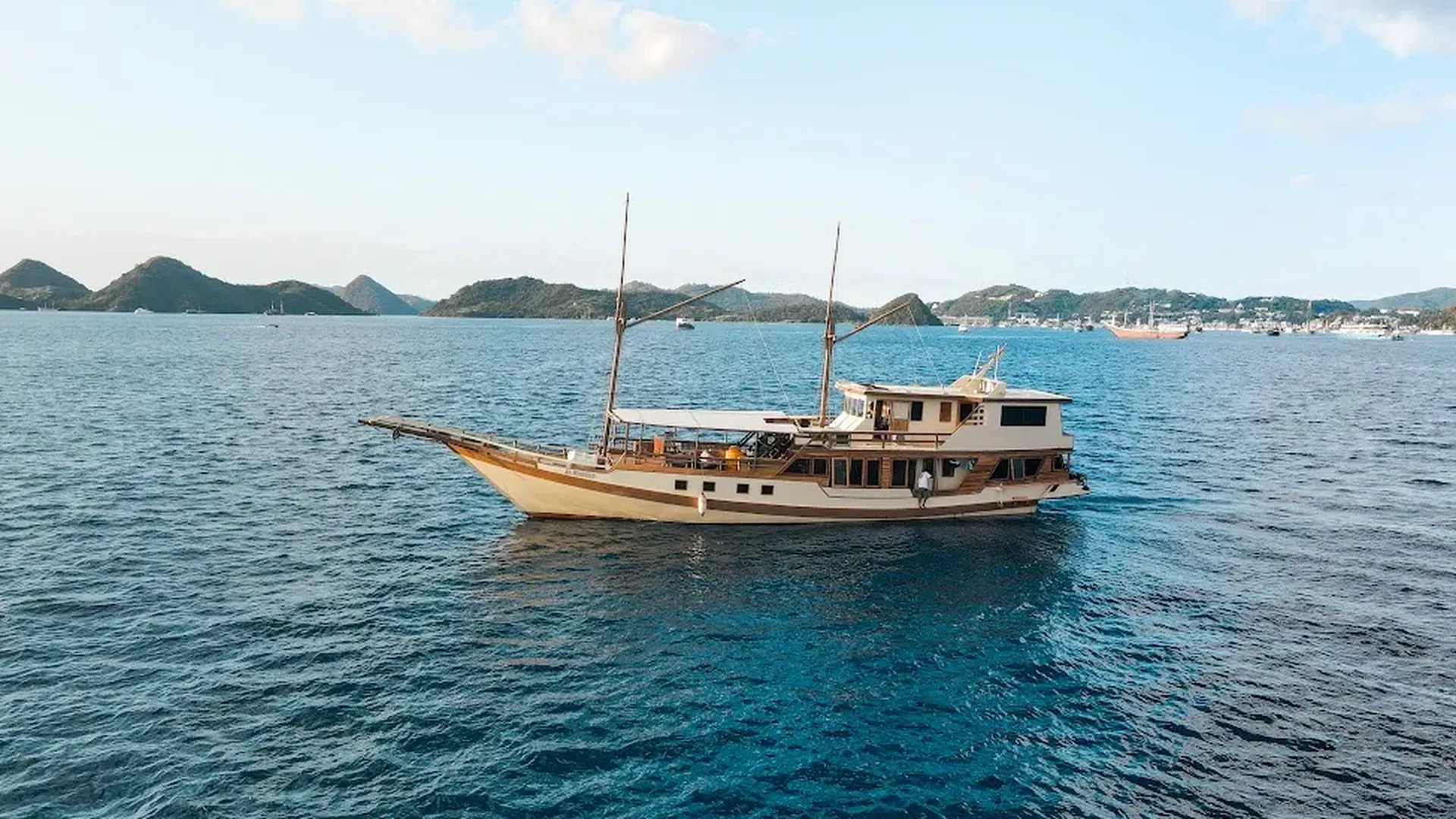
Charter yacht ROI in Indonesia is made or lost on three numbers nobody puts in brochures: real annualized occupancy (40–68%, not the “80%” of pitch decks), achieved rate after agent commissions, and the maintenance reserve a timber vessel actually consumes. This article works through the revenue model, the cost stack and the payback mathematics with the honesty we owe clients who are about to wire seven figures — because the Indonesian charter trade rewards disciplined operators well and punishes spreadsheet optimism brutally.
The Revenue Model: Occupancy, Seasonality, Rate
Indonesian charter revenue is a seasonality story. The Komodo season runs strong from July through September at near-full occupancy for established vessels; April–June and October–November trade decently; the northwest monsoon quarter barely trades at all, and one month of it belongs to the yard. Blend that calendar and even excellent operations annualize at 55–68% occupancy; new brands start nearer 40%. Rate is the second lever: mid-market vessels achieve USD 350–600 per cabin-night, premium operations USD 800–1,200, and whole-boat buyouts price by vessel class. From gross, subtract what the market takes to fill you: OTA and agent commissions of 10–20%. What is left — achieved net rate × cabins × nights — is the only revenue number worth modelling. Expected returns follow the operation type; the framework for reading a specific vessel’s history sits in our investment case behind charter yields.
The Cost Stack, Including the Taxes
The operating stack for a mid-market 8-cabin vessel, annually: crew USD 60–100K; fuel and port USD 50–90K; maintenance reserve USD 60–120K (timber hulls convert deferred maintenance into refit invoices at roughly 3:1); insurance, permits, park fees and admin USD 30–60K. Then the fiscal layer that foreign investors underestimate: a licensed Indonesian charter operation invoices with VAT, pays corporate income tax on profits, withholds tax on crew wages and on dividends repatriated to foreign shareholders — and if the vessel is owned by one entity and operated by another, the charter fee between them must be priced at arm’s length, documented the way any related-party transaction must be. None of this is exotic; all of it belongs in the model before purchase, because “we will structure it later” is how 30% margins become 15% surprises. The legal prerequisites to operate at all — commercial registration, licensed entity, manning — are mapped in our ownership structure guide for charter owners.
Payback, Honestly: Base Case and Sensitivities
Put it together for a USD 1M mid-market vessel: base case (55% occupancy, USD 450 achieved cabin-night, disciplined costs) nets roughly USD 120–180K a year — a 6–8 year payback before residual hull value. Now the sensitivities that matter: occupancy falling 10 points takes net down by roughly a third; a skipped maintenance year flatters cashflow once and then consumes a season; a strong agent network adding 8 points of shoulder-season occupancy is worth more than any cost cut on the sheet. And the two structural risks no model forgives — buying the wrong vessel (over-cabined, under-documented) and losing the crew that held the guest experience together. Investors who prefer to buy revenue rather than build it should read the used charter-boat acquisition guide; syndicate structures for smaller tickets are covered in our piece on phinisi partnership investment.
The Metrics Worth Tracking Monthly
Owners who hold their returns share a short dashboard: forward-booking depth (nights sold for the next two quarters — the single best early warning), achieved rate net of commissions (not rack rate), cost per available night (the full stack divided by the calendar), repeat-and-referral share of bookings (the lowest-cost demand there is), and maintenance spend against reserve (underspend is a warning, not a saving). Five numbers, one page, every month. Operations that track them correct course in weeks; operations that discover them at year-end write the correction into next year’s losses. The discipline costs an afternoon a month and is, in our experience, the most reliable difference between the 25%-net operators and the break-even ones running identical vessels on identical routes.
Owner usage is a yield decision too: what owner use of the vessel looks like in Bali.
Frequently Asked Questions
What occupancy rate do Indonesian charter yachts really achieve?
Established operations annualize at 55–68%; first-season brands typically land at 35–50%. Peak-season screenshots showing full calendars are real but unrepresentative — the monsoon quarter and yard month drag every annual average down. Underwrite at 40–55% and treat anything above as upside.
What taxes does a phinisi charter business pay in Indonesia?
The standard commercial stack: VAT on charter invoices, corporate income tax on profits, withholding on crew wages, and dividend withholding on repatriation to foreign owners. Related-party charter fees between owning and operating entities must be priced at arm’s length and documented. Budget the fiscal layer before purchase, not after.
How long is the payback period on a charter phinisi in Indonesia?
Six to ten operating years for a well-bought mid-market vessel at honest occupancy, before residual value. Deals pitched with three-year paybacks are assuming brochure occupancy, zero maintenance reserve, or both — and timber vessels collect on both assumptions with interest.
Does whole-boat charter or per-cabin selling produce better ROI in Indonesia?
Whole-boat buyouts simplify operations and suit premium vessels; per-cabin selling fills mid-market calendars deeper but costs more in agents and admin. Most successful operators blend both — buyouts in peak weeks, cabins through the shoulders — and let the booking data, not ideology, set the mix each season.
Modelling a charter purchase? Have a buyer’s agent pressure-test the numbers: WhatsApp +62 811-3941-4563 or bd@juaraholding.com.