
Buying a Phinisi Through a PMA Company
When a PMA company should own your phinisi: the commercial trigger, asset versus share purchase, sequencing and exit value for foreign buyers.

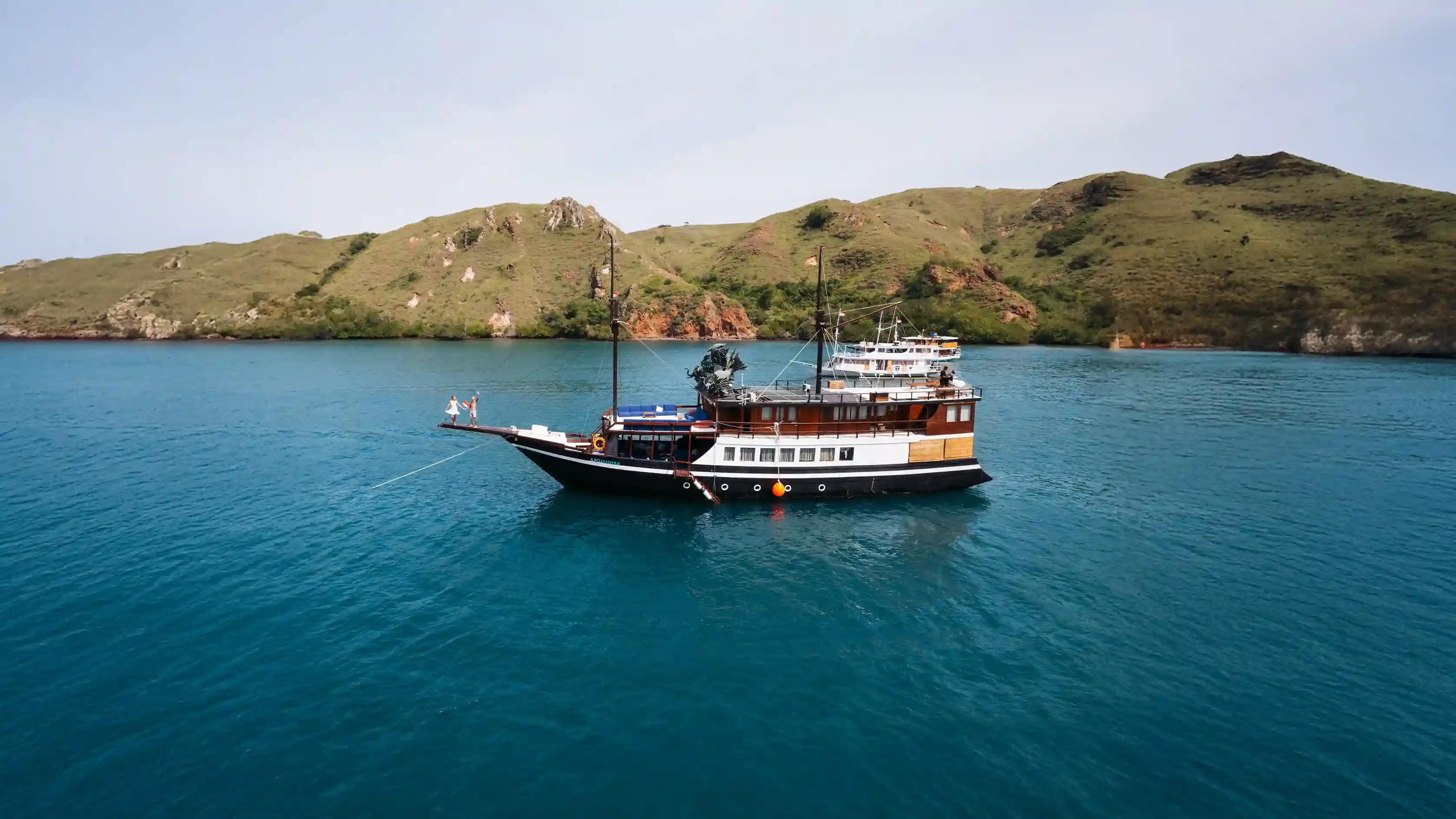
When should a company — not you personally — own your phinisi? Whenever the vessel will earn money in Indonesian waters, and often even when it will not. The PMA (Penanaman Modal Asing, foreign-investment) company is the standard structure through which foreign buyers hold phinisi that operate commercially under the Indonesian flag, and choosing between personal, offshore and PMA ownership is a decision that shapes tax, liability, charter rights and eventual resale for the life of the vessel. It is also a decision best made before the offer, not after the survey — because the structure determines who signs the purchase contract in the first place.
The three ownership structures, honestly compared
Personal foreign ownership under an offshore flag suits the pure cruiser: an owner who will sail Indonesian waters on a temporary-import basis, never charter commercially, and eventually sail on to other oceans. It is the simplest structure and the most limiting — commercial work is off the table, and long-term basing in Indonesia runs into import-time constraints. Offshore company ownership adds liability separation and estate-planning convenience for the same cruising profile. PMA ownership — an Indonesian limited company with foreign shareholders holding the vessel as a company asset — is the structure that unlocks the Indonesian flag, commercial charter licensing and permanent basing. The formation mechanics, costs of USD 8,500–15,000 and the 6–10 week timeline are laid out on our PMA formation page; the wider legal context for foreign buyers sits in our legal guide.
The commercial trigger: when the boat earns, the company owns
The bright line is revenue. Charter income earned in Indonesian waters belongs in an Indonesian corporate structure — that is both the regulatory expectation and the practical route to the licences a charter operation needs. This covers the obvious case of a full charter business, and the increasingly common dual-use pattern: a family yacht that runs day trips into Komodo National Park during the weeks the owner is away. Day-trip work is commercial work, however occasional, and the PMA is what makes it lawful, licensable and insurable. Owners who try to run the dual pattern on a private structure discover the gap at the worst moments — at a park checkpoint, or at claim time. If dual use is the plan, say so at the start: it changes the vessel shortlist, as our Komodo viewing guide notes, and it decides the ownership question before the first offer.
Asset purchase or share purchase: two ways the PMA buys
With the structure chosen, the transaction itself forks. In an asset purchase, your new PMA buys the vessel from the seller — clean, transparent, and the default we recommend: the company starts with no history, and the boat enters its books at the true purchase price. In a share purchase, you buy the seller’s existing PMA — attractive when that company holds valuable charter licences, forward bookings and crew contracts, because the operation continues without relicensing. The price of that continuity is inherited history: undisclosed liabilities, tax positions and contractual obligations come with the shares. Share deals demand corporate due diligence on top of the marine survey, escrow conditions written against company warranties as well as vessel condition — the drafting logic from our deposit structures guide extended to share transfers — and are the specific subject of our charter business for sale page.
Sequencing the company against the purchase calendar
The PMA workstream runs parallel to the acquisition, not after it. Formation takes 6–10 weeks; the standard purchase runs 60–120 days from inquiry to closing per our foreign buyer timeline — which means a company started at heads-of-terms is ready when completion needs it, and one started at survey approval is the reason closings slip. Two sequencing details bite hardest. First, banking: a new PMA needs its account opened and capital injected before it can pay for anything, and corporate account opening has its own weeks-long calendar, as flagged in our payment logistics guide. Second, the contract chain: heads of terms can be signed by the buyer personally “or nominee company”, with the PMA substituted at MoA stage — standard drafting that keeps the negotiation moving while the company forms.
Running costs and the exit
A PMA is a living company: annual accounting, tax filings, licence renewals and a registered address, typically a few thousand USD per year in professional costs. Against that overhead sit the earnings the structure enables, the liability wall between the vessel and your personal estate, and a materially better exit. A phinisi held in a clean PMA with documented accounts, licences and crew contracts can be sold two ways — vessel alone, or company entire — and the second route is exactly what commands attention from the next foreign buyer, for the same continuity reasons that made share purchases attractive to you. Structure well at purchase and you are, quietly, already building the resale.
Frequently asked questions
Do I need a PMA company if I will never charter my phinisi?
No — pure private cruising can run on personal or offshore-company ownership under a foreign flag. The PMA becomes necessary when the vessel earns revenue in Indonesia, and worth considering earlier when you want Indonesian flagging, permanent basing or a liability wall around the asset.
Can a foreigner own 100 percent of the PMA that owns the boat?
Foreign shareholding in the marine-tourism sectors used for phinisi operations accommodates majority foreign ownership, with the precise composition depending on current investment-list rules and licensing. Structuring to the current rules is part of the formation work our legal partners handle deal by deal.
Is it better to buy the boat or buy the company that owns it?
Default to buying the boat — an asset purchase into your own clean PMA. Buy the company only when its licences, bookings and crew are themselves the value, and only after corporate due diligence as rigorous as the marine survey. Price the inherited history, never assume it away.
How long before closing should the PMA be started?
At heads of terms. With formation at 6–10 weeks plus banking setup, starting when the deposit goes into escrow means the company, its account and its capital are ready precisely when completion funds must flow. Starting after survey approval is the most common cause of delayed closings we see.
Deciding how your phinisi should be owned? Our buyer-side team runs the structure question alongside the purchase itself. Contact us via WhatsApp +62 811 3941 4563 or email bd@juaraholding.com — desks in Seminyak and Labuan Bajo.