
Buy Phinisi Indonesia: The Complete Acquisition Timeline for Foreign Buyers (2026)

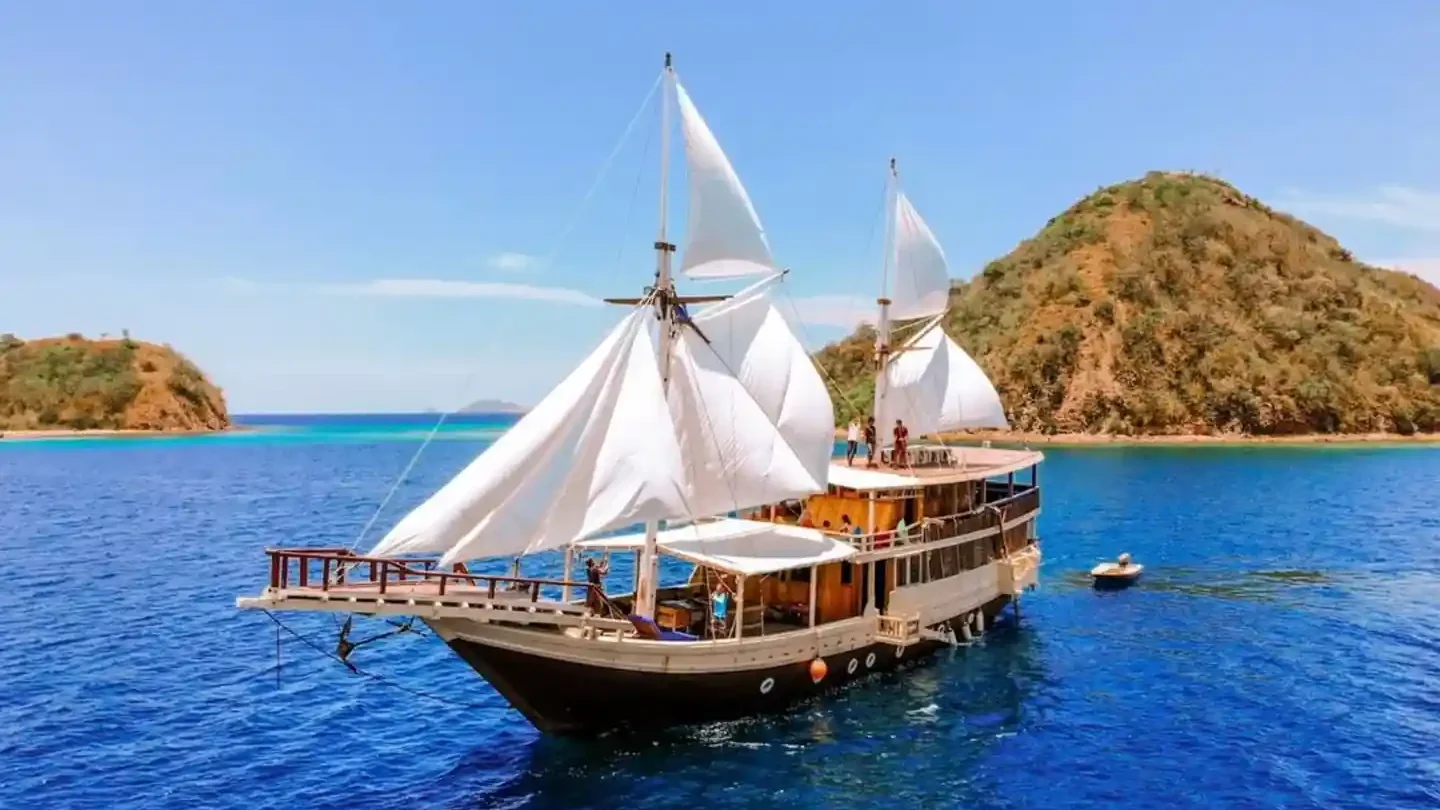
Buying a phinisi in Indonesia is a sequence, not an event. Done in the right order — ownership structure first, survey before sentiment, escrow before handover — it is a manageable eight-to-ten-week project. Done out of order, it is how foreign buyers end up owning a beautiful boat they cannot legally operate. This guide lays out the whole acquisition timeline for 2026, from the first shortlist to the day the crew hands over the keys.
Can a Foreigner Buy a Phinisi Boat in Indonesia?
Yes — through recognised routes, each with different consequences. The most common is holding the vessel through an Indonesian legal entity, typically a foreign-investment company (PT PMA), which allows Indonesian flag registration and commercial operation. Some buyers hold the boat personally under a foreign flag, which simplifies the purchase but restricts how the vessel can trade in Indonesian waters. A third route is acquiring a company that already owns the vessel and its licences, transferring shares rather than the ship itself. Which route fits depends on whether you intend to charter commercially, cruise privately, or hold the asset for resale — and it should be settled with Indonesian maritime counsel before you make an offer, because the structure determines the paperwork everything else depends on.
Before any offer, request the document folder and read it against your chosen structure: the title deed, current registration, licence status, insurance history and the maintenance log. A seller who produces that folder within days is telling you something about how the boat has been run; a seller who stalls is telling you something too. Ten minutes with the paperwork disqualifies more unsuitable boats than a week of deck viewings.
The Week-by-Week Acquisition Timeline
A typical purchase, once a target vessel is found, runs like this. Weeks one and two: shortlist and first viewings, ideally between charters in Labuan Bajo, with the boat’s document folder requested up front. Week three: offer and a modest holding deposit into escrow, conditional on survey and sea trial. Weeks four and five: the hauled survey — slipway slots drive the calendar here, so book early. Week six: sea trial with engines under load, systems live and the surveyor aboard. Weeks seven and eight: price adjustment or repair negotiations from the survey findings, contract drafting, and completion funds into escrow. Weeks nine and ten: registration transfer, licence work and handover with crew. Treat the sequence as fixed even when the dates slip: no completion funds before clean paperwork, no paperwork before survey.
Escrow deserves a sentence of its own. Use a neutral holder — a law firm or a brokerage trust account — with written release conditions tied to the milestones above, in both English and Bahasa Indonesia. The deposit should be refundable against a failed survey by right, not by negotiation, and the completion payment should release only against confirmed title transfer. Structured this way, neither side can be held hostage by the other’s calendar.
What a Survey Reveals on a Wooden Hull
Wooden phinisi reward — and punish — buyers through the survey. Out of the water, the surveyor reads the keel and frames (traditionally ulin, ironwood), checks fastenings for corrosion and movement, probes planking moisture and examines caulking lines. Inside, engine hours are verified against the log, generators and electrical systems are load-tested, and tankage is inspected for the quiet corrosion that costs more than engines. Red flags that should stop a deal rather than discount it: widespread fastening sickness, frame rot at the futtock joints, an owner who declines a haul-out, or a maintenance log that starts the year the boat was listed.
Transfer Paperwork: What Actually Changes Hands
Four bundles of paper make the boat yours. The grosse akta — the vessel’s title deed — is re-issued to the new owning entity and is the document everything else hangs off. Flag and registration follow: Indonesian registry via your PT PMA, or a foreign registry with its own tonnage and safety requirements. Commercial licences — charter permits, crewing and safety certification — transfer or are re-applied for, and their status should already be priced into the deal. Finally, crew contracts: a phinisi runs on its crew, and novating the contracts of a captain and engineer who know the boat is often worth more than any single system aboard.
Browsing Real Inventory
Timelines are theory until there is a boat attached. Serious buyers usually start wide — comparing hull ages, cabin counts and licence status across the market — before narrowing to two or three vessels worth a survey. A practical starting point is the group’s national listing of phinisi and liveaboard boats for sale, which shows what is genuinely on the market this season; from there, request document folders early and let the paperwork disqualify boats before your calendar does.
For help structuring a purchase or arranging surveys, message us on WhatsApp +62 811-3941-4563 or bd@juaraholding.com.
BuyPhinisi.com is part of the Juara Holding Group network of Indonesian marine companies.
Frequently Asked Questions
Can a foreigner buy a phinisi boat in Indonesia?
Yes. The usual routes are ownership through an Indonesian foreign-investment company (PT PMA) with Indonesian flag registration, personal ownership under a foreign flag with trading restrictions, or acquiring the company that already owns the vessel and its licences. The right route depends on whether you plan to charter commercially or cruise privately, and should be settled with maritime counsel before making an offer.
How long does it take to buy a phinisi in Indonesia?
Once a target vessel is identified, a disciplined purchase typically runs eight to ten weeks: viewings and offer, hauled survey, sea trial, negotiation and contracts through escrow, then registration transfer and handover. Slipway availability for the survey is the most common cause of delay.
What is a grosse akta and why does it matter?
The grosse akta is the Indonesian vessel’s title deed — the legal proof of ownership that is re-issued to the new owning entity at completion. Registration, flag, licences and insurance all hang off it, so no completion payment should be released until its transfer is confirmed.
What survey findings should stop a phinisi purchase?
Widespread fastening corrosion, frame rot at structural joints, an owner unwilling to haul the boat out for inspection, or a maintenance log that only begins when the boat was listed. These are structural or trust failures — walk away rather than negotiate a discount.