Buy a New Phinisi Charter Yacht
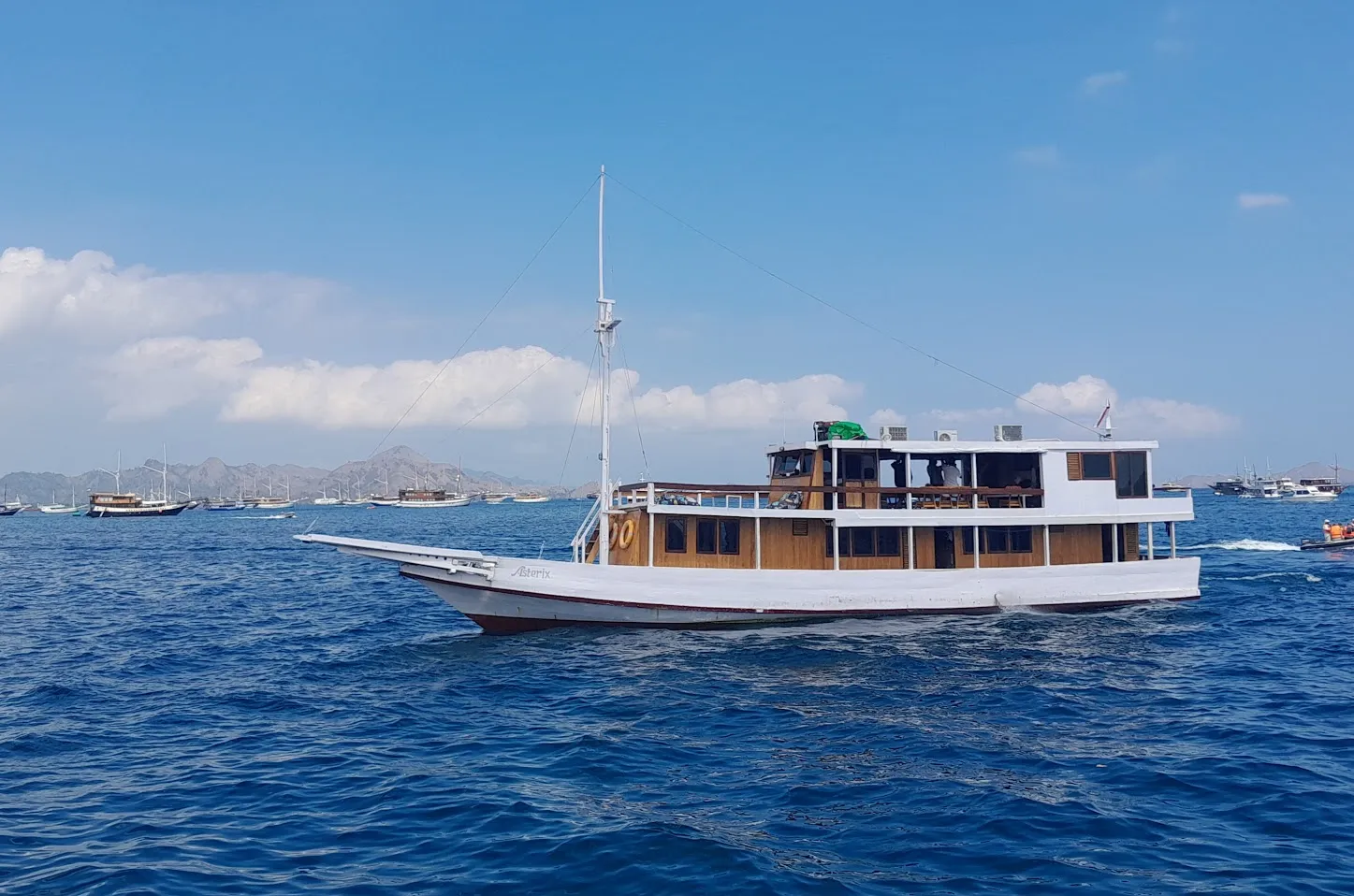
Buying a new phinisi charter yacht means taking a turn-key or near-complete vessel from yard stock — charter-compliant, commissioned and earning within months — instead of waiting 24–30 months for a from-scratch build. It is the fastest route into the charter market with a new hull. The alternative, commissioning a build from the keel up, is covered on our new-build commissioning desk; the table below shows which door fits which buyer.
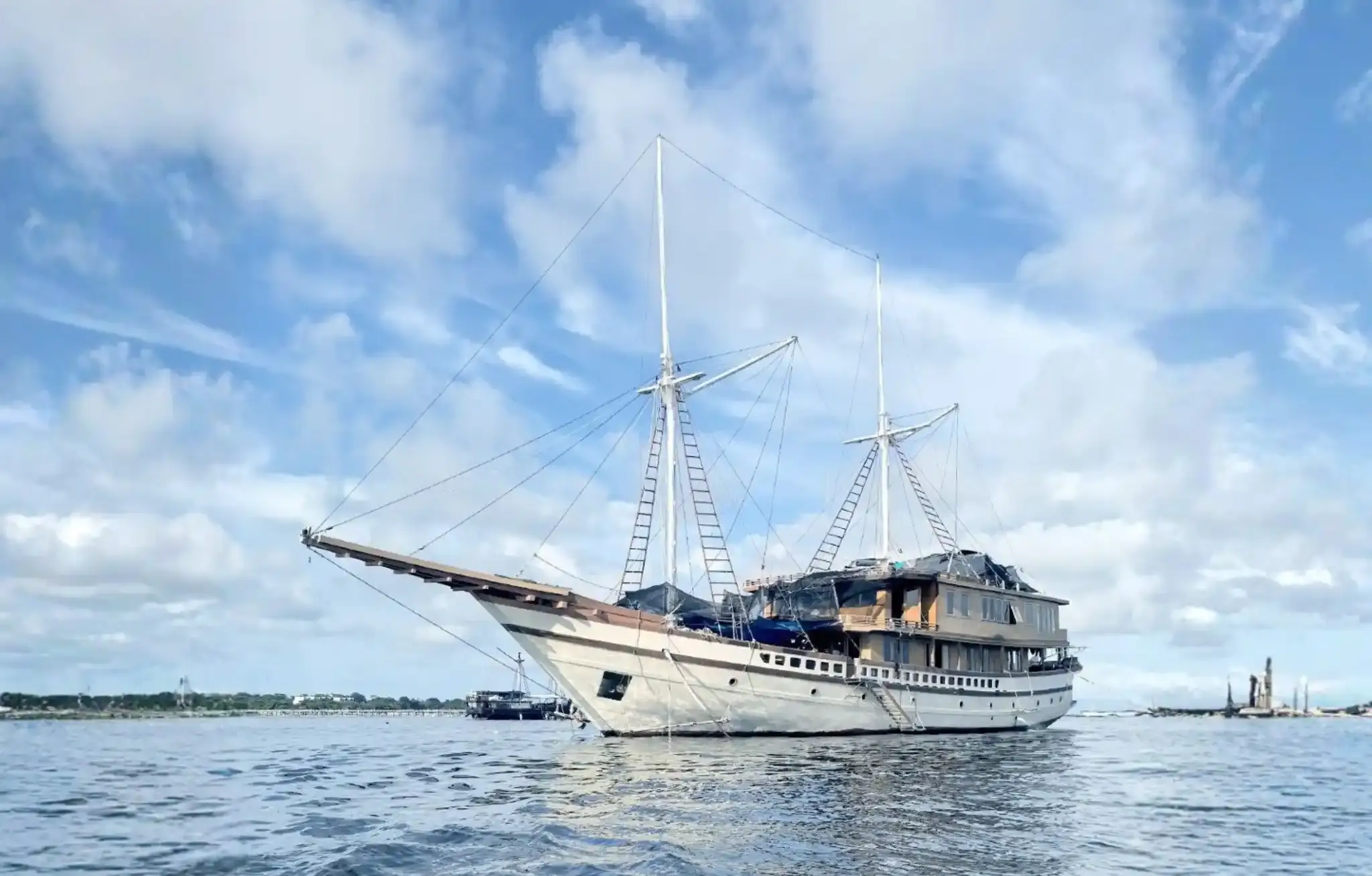
Buy Ready vs Commission: The Two Doors
| Factor | Buy New Ready (this page) | Commission a Build |
|---|---|---|
| Time to first charter | 2–6 months | 24–30 months |
| Design freedom | Cosmetic and equipment choices | Full — layout, rig, systems |
| Price certainty | High — the vessel exists | Depends on contract discipline |
| Typical USD band | 500K – 3M as specified | 400K – 6M+ by spec |
| Key risk | Spec built for nobody in particular | Yard and timeline risk |
Where New Ready-to-Charter Phinisi Come From
Three legitimate sources supply this market. Yard stock builds: Sulawesi yards increasingly build on spec between client orders; the good ones finish to a defined standard hoping to sell at launch. Collapsed commissions: a client’s financing fails mid-build and the yard sells the hull near completion — genuine value when the original client’s supervision was real. Operator-ordered newbuilds resold at delivery: charter companies order in pairs, then sell one to fund the other.
Each source needs a different verification emphasis: stock builds need spec scrutiny (who chose the engine, and why?), collapsed commissions need a build-history file, operator resales need a check that “new” has not quietly done a shakedown season.
Charter Compliance: What “Ready” Must Mean
A new phinisi is charter-ready only when the paper stack is: safety equipment certified for passenger count, manning certificates matching the crew plan, radio and navigation licensing complete, hull and machinery insurance bound, and the operating entity licensed to trade.
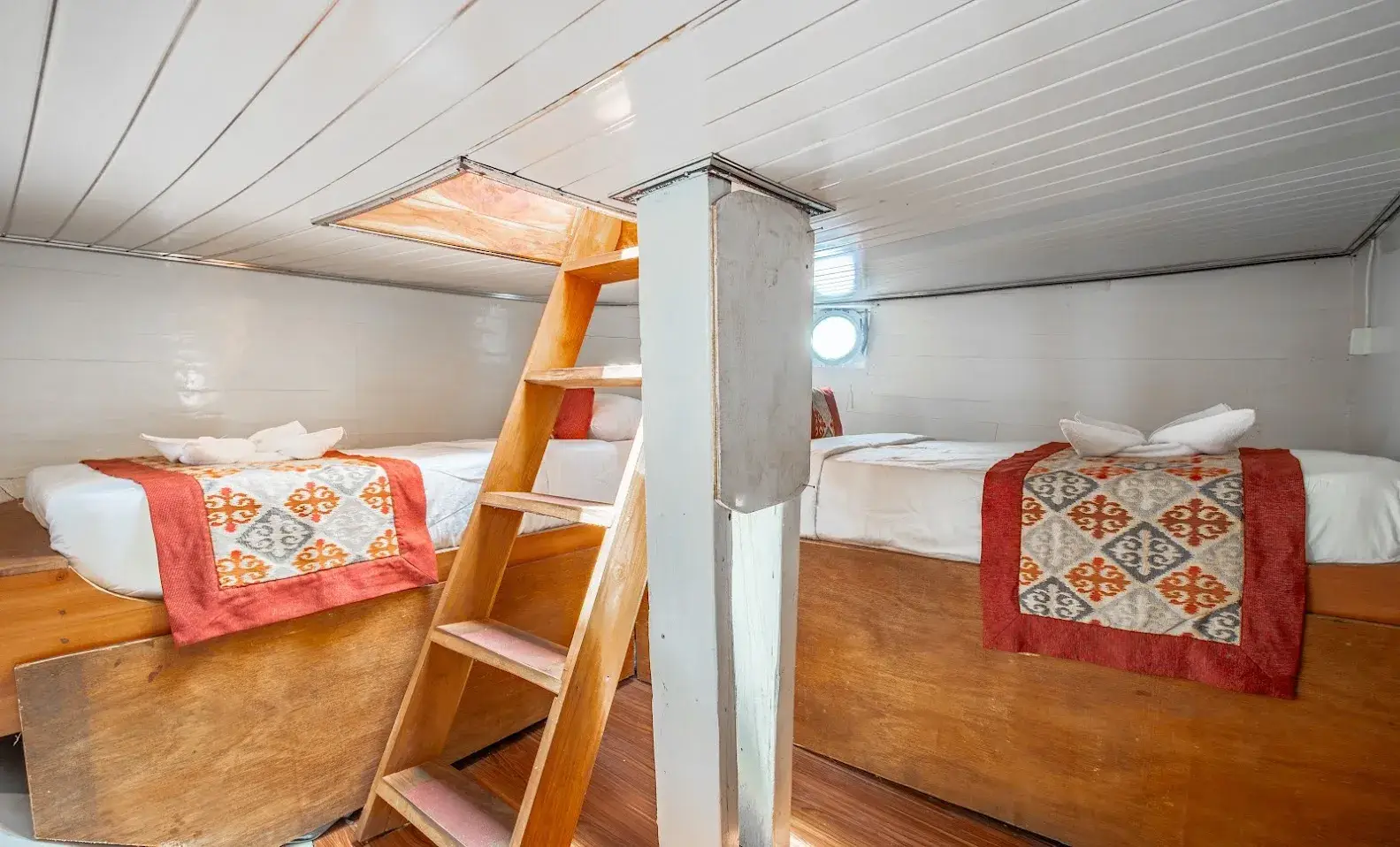
On the physical side, look for guest-count-rated life-saving appliances, a galley sized for the cabin plan, crew quarters that will retain a crew, and the service systems — water, power, refrigeration — sized for full occupancy in the tropics, not a sea-trial afternoon. We verify every item against the operating plan during the structured purchase mandate’s survey and legal phase.

Commissioning Into Service
The gap between handover and first paying guest is where new vessels earn their reputation or lose it. A disciplined commissioning runs: full systems shakedown cruise with snag list, crew familiarization under the delivery captain, safety drills signed off, agent and OTA channel setup, and a soft-launch trip before the first premium booking.
Owners who want to see what a mature phinisi charter operation looks like at full stride can study mature charter operations trading hands in Indonesia — the operational standard a new vessel is measured against from her first season.

Reading a Yard-Stock Specification Critically
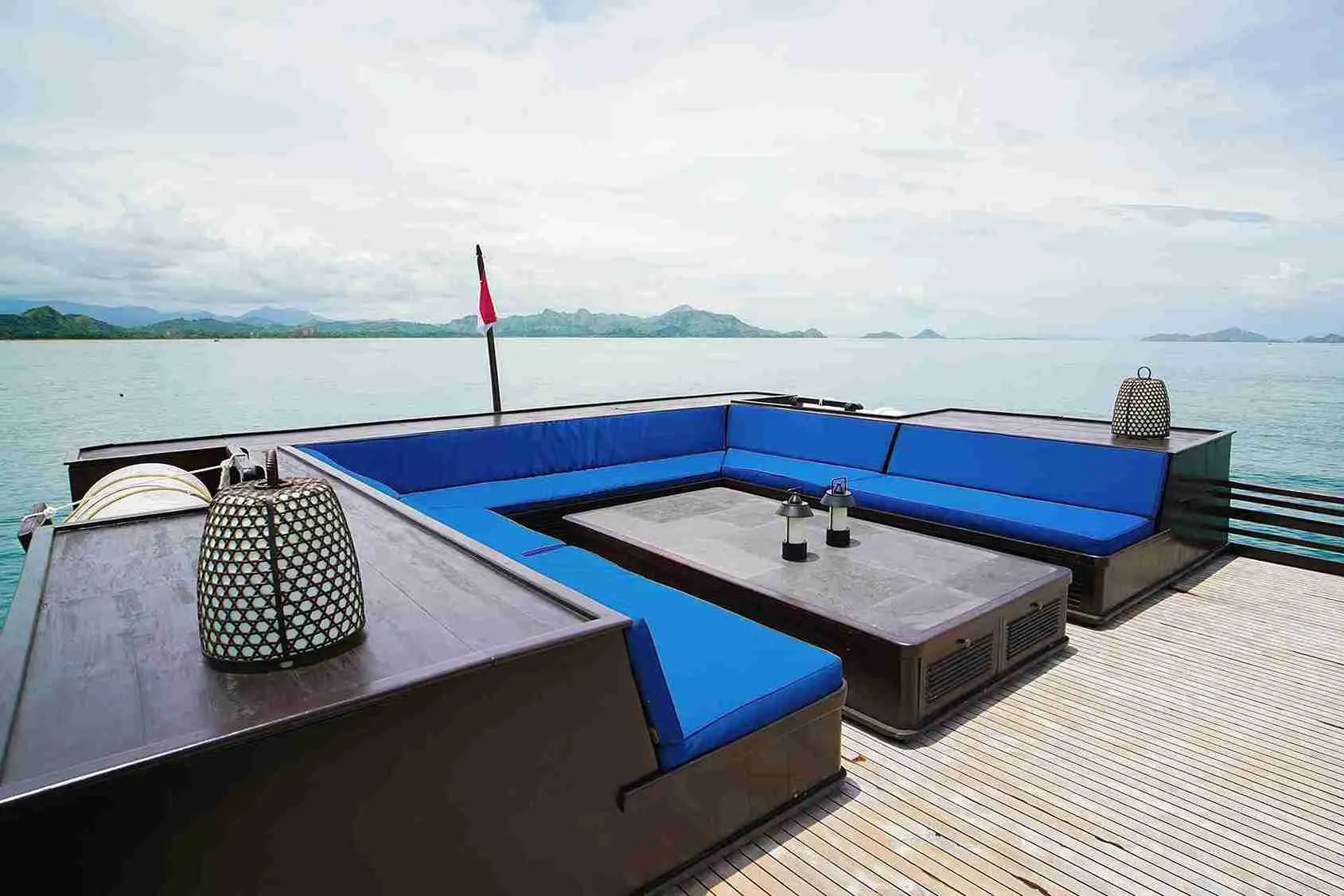
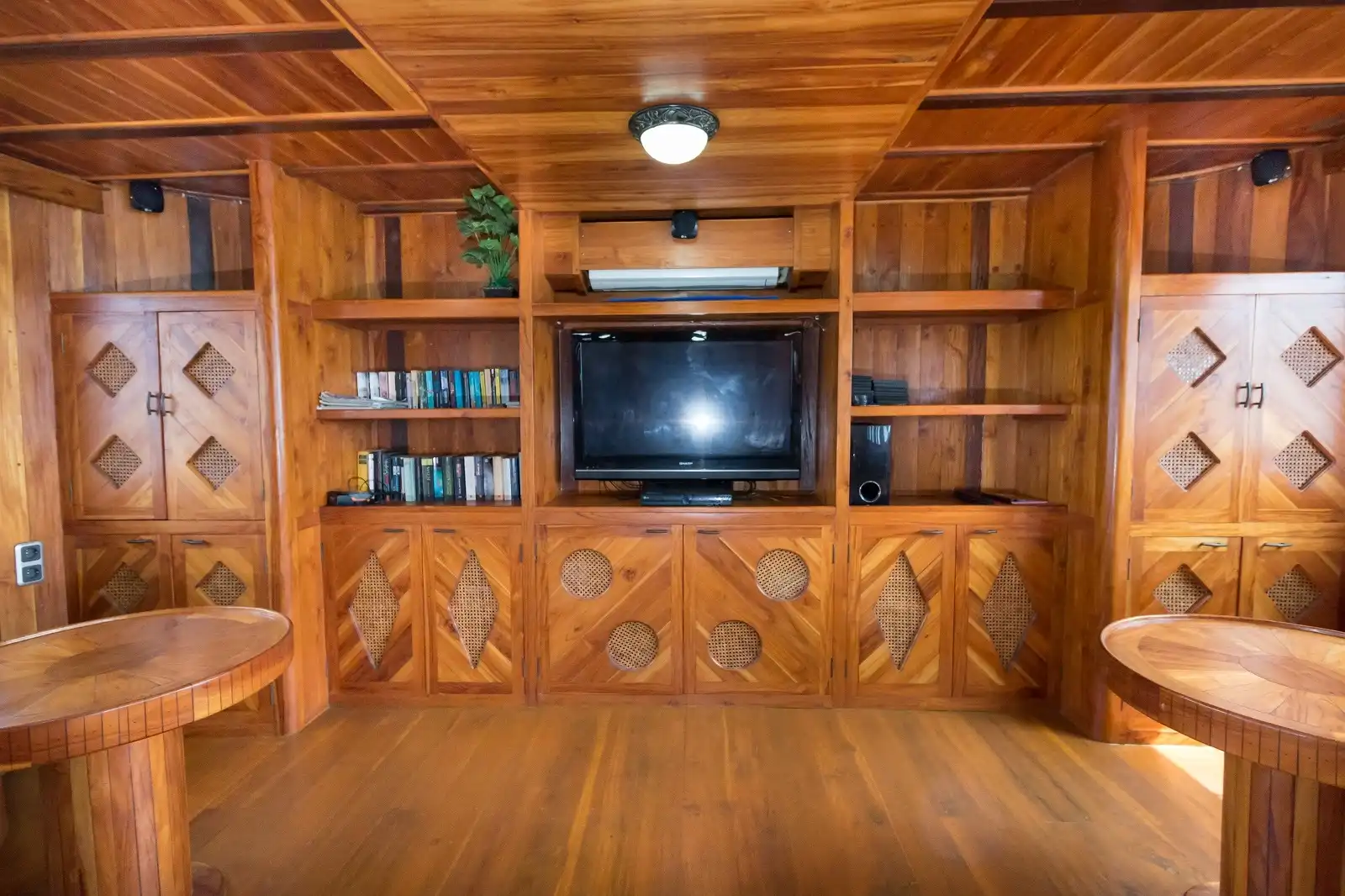
Spec-built vessels are built to sell, which means the specification optimizes for the viewing, not the operation. The pattern to check: generous saloons and photogenic decks (visible at viewing) paired with a single generator, undersized watermaker and thin crew quarters (invisible until week two of a charter season).
Run the operating test on every stock spec: full occupancy, tropical heat, seven-day trip — does the water budget hold, does the power plant carry the air-conditioning with one genset down, can the galley feed sixteen three times a day, and will a good crew accept those quarters for a full season?
A vessel that fails the operating test is not disqualified; she is repriced, because every gap on that list has a yard invoice attached. This is exactly the verification our program runs between offer and completion — on new vessels no less than used ones.

Continue Your Buyer Journey
Resources curated by our buyer-side team — read in any order.
Frequently Asked Questions
01Is a brand-new custom-built phinisi better than buying new yard stock?
Custom wins on fit — every cabin and system reflects your operating plan — but costs 24–30 months and carries build risk. New yard stock wins on speed and price certainty. If your charter concept is conventional (8 cabins, Komodo route), stock rarely limits you; if it is unusual, commission.
01What does a new charter-ready phinisi cost from the yard?
Near-complete boat-grade stock starts around USD 500K–900K; charter-compliant mid-market vessels with full equipment run USD 1M–1.8M; yacht-grade new builds with designed interiors reach USD 2–3M and beyond. Add 5–10% for commissioning, channel setup and the shakedown period before revenue.
02How fast can a new phinisi start earning charter revenue?
From a genuinely complete vessel, 2–4 months: licensing and insurance in parallel with crew hiring, a shakedown cruise, then soft launch. Vessels sold “95% complete” reliably need 4–8 months — the last 5% of a boat is always the slowest — so contract a defined completion list with retention money held back.
01Does a new phinisi need a survey before purchase?
Yes — new does not mean verified. A new-build pre-delivery survey checks the hull against drawings, load-tests systems, and sea-trials the vessel under full load. It routinely finds 20–40 snag items even at good yards, and the snag list becomes your completion schedule with money attached.
02What warranty should come with a new phinisi from the yard?
Expect twelve months on structure and workmanship, with equipment carrying its manufacturers’ own warranties — and get both in writing with a named contact for claims. The practical warranty, though, is the retention money: defects reported while 10% remains unpaid get fixed with remarkable speed, which is why the retention schedule matters more than the warranty page.
Ready to buy new and start earning?
WhatsApp a buyer’s agent at +62 811-3941-4563 or email sales@komodoluxury.com.