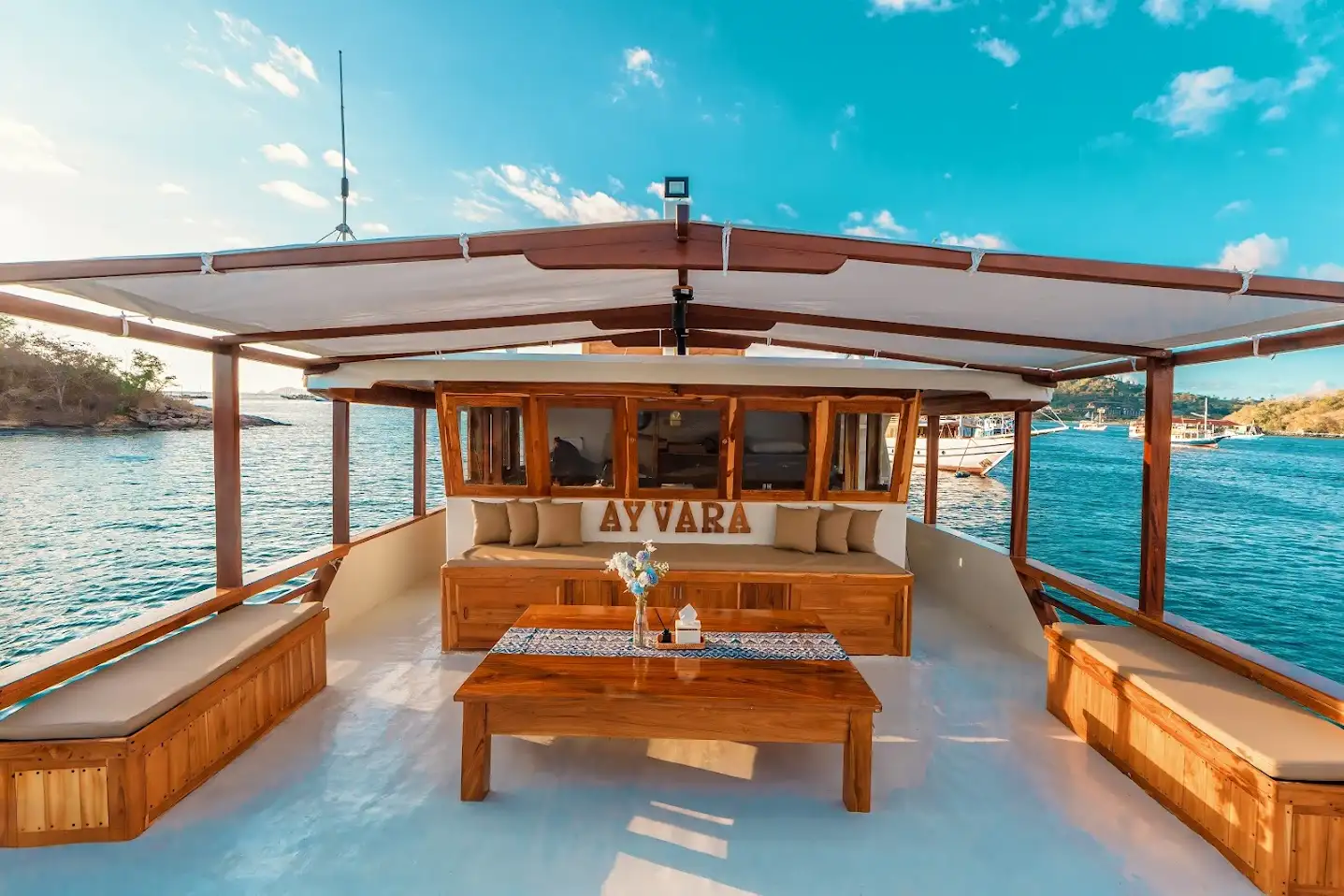
Buying a Used Phinisi Charter Boat
How to acquire a working phinisi charter operation: licences, forward bookings, crew retention and valuing the vessel on real revenue.

Buying a used phinisi charter boat means acquiring two assets at once: a timber vessel and a trading business — licences, forward bookings, crew, reputation and revenue history. Valued and transferred correctly, the operation can pay for the hull. Handled as an ordinary boat purchase, the business half quietly evaporates between offer and handover. This national guide covers the process; buyers focused on one market should also see the geo desks for Bali and Labuan Bajo, and buyers wanting a hull without a business should start at the used phinisi buying guide.
What You Are Actually Buying
| Asset | What to Verify | Transfer Mechanism |
|---|---|---|
| The vessel | Full pre-purchase survey, lien search | Sale and purchase agreement |
| Charter licences | Validity, transferability, entity they attach to | Share sale or new applications |
| Forward bookings | Deposits held, agent commitments, cancellation terms | Assignment clause + escrowed deposits |
| Crew | Contracts, wage status, certifications, willingness to stay | New contracts at closing |
| Brand and channels | OTA accounts, agent relationships, review history | Written assignment, handover period |
Licences: The Part Buyers Underestimate
Indonesian charter operations run on a stack of permits — business licensing through OSS, tourism licences, vessel safety and manning certificates, and for Komodo operations, national park access arrangements. Some attach to the vessel, most attach to the operating entity. That is why many charter-boat deals are structured as a share purchase of the operating PT rather than an asset purchase of the boat: the licences travel with the company. A share deal, in turn, demands corporate due diligence — tax filings, employment liabilities, undisclosed debts — on top of the marine survey. Neither structure is “better”; the right one depends on how clean the company is.
Valuing on Revenue, Honestly
Sellers quote gross season revenue; buyers should price on verified net. Rebuild the numbers from source documents: bank statements against booking records, OTA payout reports, harbour and fuel logs against claimed trip counts. A working phinisi charter operation typically changes hands at vessel market value plus a modest premium for the business — commonly 0.5–1.5× verified annual net operating profit, higher when forward bookings are deep and licences are cleanly transferable. Anything priced on “potential” is priced on air. Our charter yield evidence shows the underlying cabin-night mathematics.
Crew Retention Decides Year One
The single biggest operational risk in these acquisitions is crew walking at handover. The captain and engineer carry unwritten knowledge — reef passages, engine quirks, guest routines — that takes a new crew a season to rebuild, usually at the cost of reviews. Meet the crew before completion, settle all wage arrears at closing on the seller’s account, and offer the core team contracts with a retention bonus through their first high season. It is the highest-return money in the whole transaction.
After the Purchase: Running It
Some buyers step in as owner-operators; most do not want to run rosters, maintenance schedules and agent relationships themselves. For hands-off ownership, engaging professional vessel and charter management keeps the operation earning while you own the asset — the cost side of that decision is mapped in the day-two operating economics. Either way, plan the operating model before completion — our search-to-handover program treats the first 90 days of operation as part of the purchase, not an afterthought.
Timing the Acquisition Around the Season
Charter-boat deals have a natural calendar. The best buying window is the shoulder after high season — October to December — when operators know their numbers, tired owners decide to exit, and the vessel’s just-finished season is fully auditable. Completing in that window gives you the monsoon quarter for refit, crew contracts and channel setup, and a full high season as your first earning period. Buying in May–June, by contrast, means paying for a season the seller will largely harvest, inheriting bookings priced under their cost base, and learning the operation live in front of paying guests. Sellers know this calendar too — which is why “quick completion before the season” pitches deserve slower reading, not faster signatures.
Frequently Asked Questions
What due diligence steps come before acquiring a phinisi charter company?
Three parallel tracks: marine (full vessel survey and sea trial), legal (licences, vessel title, lien search, corporate standing if it is a share deal), and financial (bank-verified revenue, tax filings, employment liabilities, deposit obligations on forward bookings). No track substitutes for another; deals fail on the one that was skipped.
Should I buy the vessel itself or take over the company that owns it?
Buy the boat (asset deal) when the company is messy or the licences are easy to re-apply for; buy the company (share deal) when licences and bookings attach to it and its books are clean. The share route transfers history — including hidden liabilities — so it demands corporate due diligence beyond the vessel itself.
How do forward bookings transfer to a new owner?
Through an assignment clause in the sale agreement, with guest deposits moved into escrow or credited against the price at closing. Confirm agent and OTA commitments in writing — verbal assurances about next season’s bookings are worth exactly what they cost.
What does a used phinisi charter operation earn its new owner?
A well-run mid-market vessel in the Komodo trade typically produces net operating margins of 20–35% on gross charter revenue after crew, fuel, maintenance, agents and permits. Model the payback on verified history, not brochure occupancy; the investment case page walks through the full calculation.
Acquiring a working operation? Speak to a buyer’s agent: WhatsApp +62 811-3941-4563 or bd@juaraholding.com.