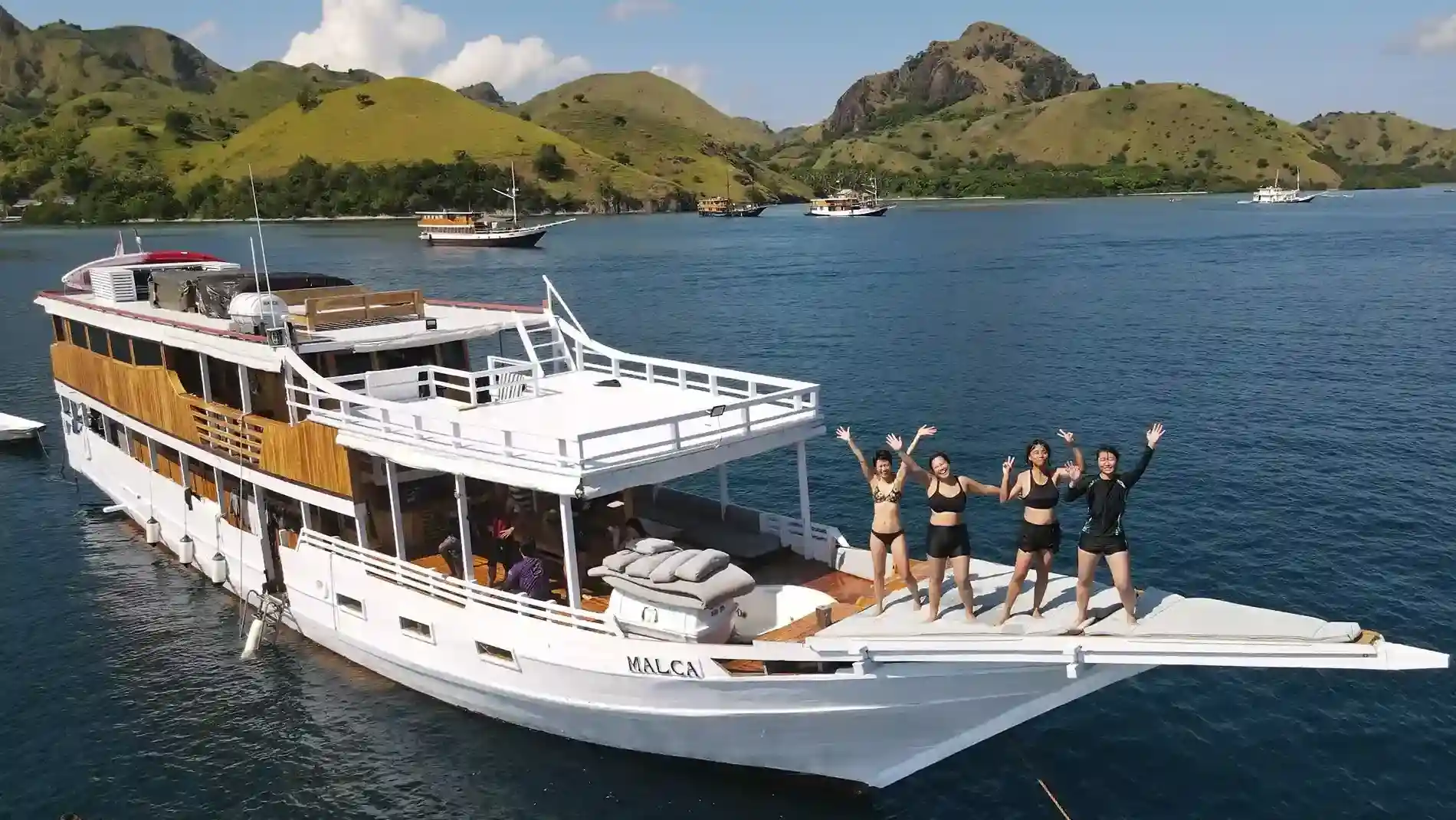
Buy a Phinisi Boat in Indonesia
Boat-grade phinisi — working vessels, ex-cargo hulls and conversion candidates — trade between roughly USD 150K and 600K in Indonesia, and they are where most first-time phinisi buyers actually enter the market. Bought well, a boat-grade hull is honest value: the same ironwood bones as a yacht, without the fit-out premium. Bought badly, it is a floating restoration project with a diesel bill attached. This page maps the segment; the yacht-grade companion page covers the top of the market.

What Lives in the Boat-Grade Segment
Working charter boats
Vessels running budget dive and island-hopping trips out of Labuan Bajo and Lombok. Revenue-producing from day one, cosmetically tired, mechanically variable.
Ex-cargo conversions
Former timber and goods carriers refitted with cabins. Hull quality is often excellent — cargo builds were overbuilt — but conversions vary from professional to plywood.
Unconverted cargo hulls
The raw material for a refit project. Strong candidates appear in Sulawesi and Kalimantan ports; see our hulls on the refit candidates desk desk for vetted examples.
Near-complete new builds
Yard stock in Bira and Tana Beru, sold before interior fit-out. A legitimate shortcut if the hull was built for a real client and the deal collapsed; riskier if built on spec without supervision.
The Boat vs Yacht Grade Line, In Numbers
| Attribute | Boat-Grade | Yacht-Grade |
|---|---|---|
| Typical USD band | 150K – 600K | 1.8M – 6.8M+ |
| Survey findings list | 30–80 items typical | 10–30 items typical |
| Refit reserve to hold back | 20–35% of price | 5–10% of price |
| Insurance | Limited underwriters | Standard yacht markets |
| Charter rate potential | USD 2K – 6K/day | USD 8K – 25K+/day |
The Risks Unique to Working Hulls
Every used phinisi carries timber-vessel risks, but working boats add four of their own. Deferred maintenance debt: operators run vessels hard in season and patch rather than repair; the survey must price the backlog, not just note it. Engine provenance: mid-life engine swaps are common and often undocumented — always verify the engine’s serial number against its papers. Certificate drift: safety and manning certificates may have lapsed between seasons; renewing them can surface bigger compliance gaps. Overloaded electrical systems: years of ad-hoc additions produce wiring no schematic describes. None of these kill a deal by default; all of them belong in the pre-purchase survey protocol and in your renegotiation file.
Budget Buying Without Buying Trouble
The discipline that separates a good budget purchase from a bad one is simple: price the vessel plus its first-year works as one number before you offer. A USD 300K boat needing USD 120K of immediate works is a USD 420K boat — compare it against a USD 450K vessel that needs nothing, and the “expensive” boat often wins. Our staged buying program builds that works-adjusted comparison into every shortlist, and hulls destined for conversion get a refit scope drafted before purchase, not after.

A Buyer Profile: Who This Segment Fits
Three buyer types do well in boat-grade. The operator-builder: buys a working vessel with certificates current, runs her modestly for two seasons while learning the trade, then upgrades the fleet with earnings and experience. The converter: buys an honest ex-cargo hull below USD 300K, invests a planned refit through a written specification, and ends with a liveaboard at 40–60% of new-build cost. The pragmatist: wants Indonesian waters, tolerates cosmetic age, and refuses to pay the yacht-grade premium for varnish they will scratch anyway. The segment punishes one type reliably: the buyer who wants yacht-grade outcomes on boat-grade money and plans to “sort it out later” — later is where the money went. If your plan quietly assumes designed interiors, class paperwork and international resale, price the yacht-grade page honestly before committing here; the segments are neighbours, not substitutes.

Frequently Asked Questions
01What price range should I expect for a second-hand boat-grade phinisi?
Between USD 150K and 600K covers most of the segment: ex-cargo conversions at the lower end, working charter boats with current certificates in the middle, and near-complete new hulls at the top. Below USD 120K, assume you are buying a project, not a boat.
02How much should I hold back for repairs on a budget phinisi?
Hold 20–35% of the purchase price as a first-year works reserve. Surveys on working vessels typically return 30–80 findings; even when none is structural, rigging, electrics and safety-equipment renewals accumulate. If the reserve goes unspent, it becomes your upgrade fund.
01Is a converted cargo phinisi a good first buy?
It can be the best value in the market — cargo hulls were built heavy and honest. The variable is the conversion itself: a professional refit with documentation is worth paying up for; an undocumented conversion should be priced as if you will redo its systems, because you probably will.
02Can a boat-grade phinisi be upgraded to yacht-grade later?
Structurally yes — the hull is the same species of build — but economically it rarely pays. Retrofitting class-standard systems, designed interiors and documentation into a finished vessel costs more than the gap between the segments. Buy the grade you actually want to own.
01Do boat-grade phinisi hold their value over time?
Well-maintained working vessels hold value surprisingly well inside the region because the charter trade constantly needs hulls — depreciation shows up mainly in vessels that skip maintenance cycles. The documented ones resell within their band; the undocumented ones sell at whatever a suspicious surveyor leaves standing.
Continue Your Buyer Journey
Resources curated by our buyer-side team — read in any order.
Talk through the boat-grade market with a buyer’s agent
WhatsApp +62 811-3941-4563 or sales@komodoluxury.com