
Crew Transfers: Keeping the Team When You Buy
Why the crew is the most undervalued asset in a phinisi sale: contracts, sea time, pay structures and how buyers keep a working team through the handover.

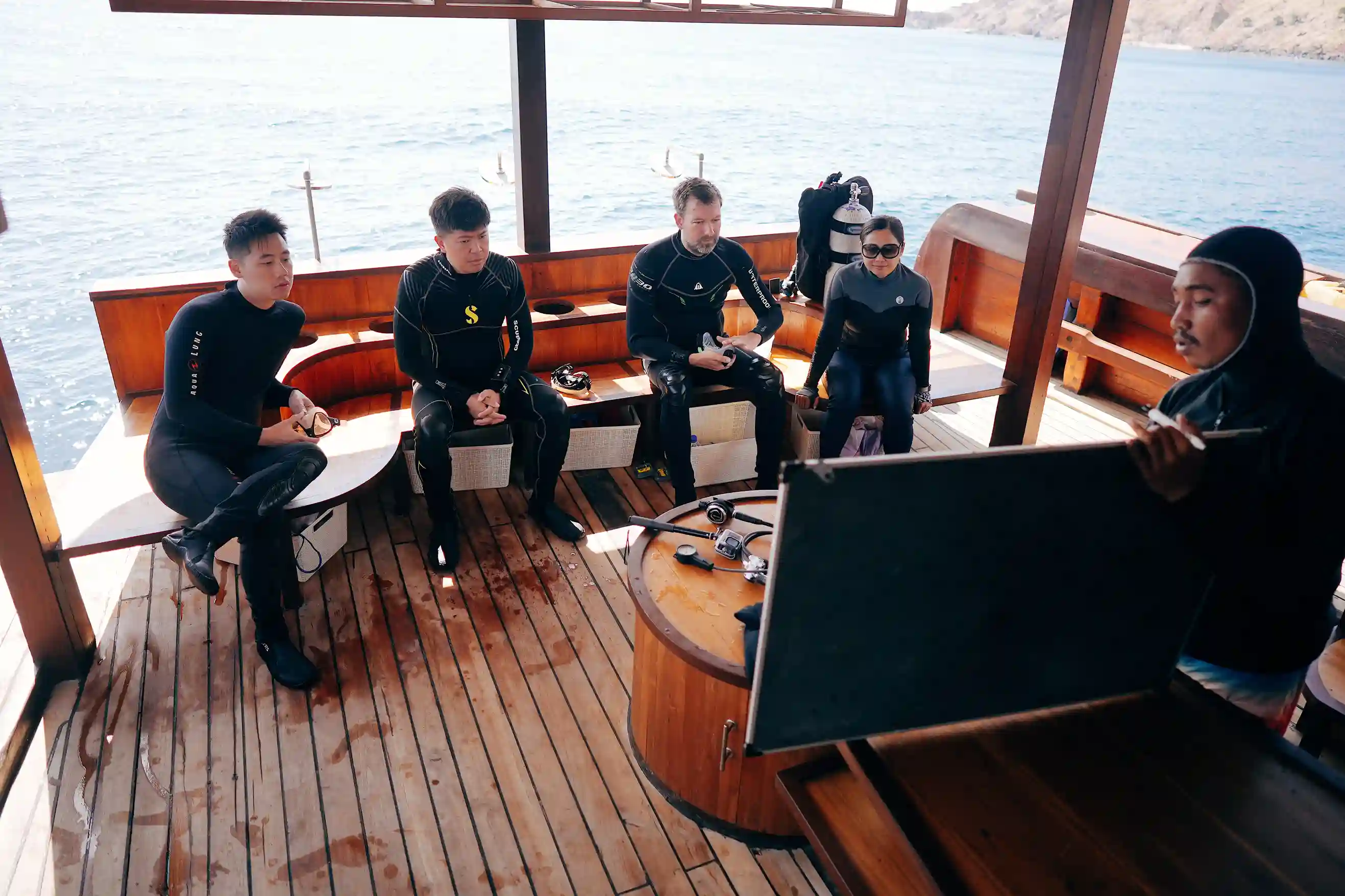
Does the crew come with the phinisi when you buy it? Only if you make it happen — and you almost always should. A phinisi is not a production yacht that any delivery skipper can run from a manual. Each hull has its own rig habits, engine quirks, ballast behaviour and anchorage lore, and nearly all of that knowledge lives in the heads of the captain and engineer who have worked her. In our buyer-side files, the single strongest predictor of a smooth first year of ownership is whether the working crew stayed through the sale. Vessels sold with their teams intact — the model behind our crewed phinisi listings — simply keep working; vessels sold bare spend months relearning themselves.
Why the crew is the most undervalued asset in the deal
Sellers price teak, engines and charter calendars, but almost never price the team — which means a buyer who secures the crew acquires real operating value that never appeared on the invoice. A settled phinisi crew of six to ten covers captain, engineer, deckhands, cook and, on charter boats, a cruise director or dive lead. Together they hold the vessel’s maintenance memory: which plank wept last season, which injector runs hot, how she sits on her anchor in a Flores squall. Replacing that memory takes a year of expensive surprises. Payroll for a full quality crew typically runs USD 3,000 to 6,000 per month in total, modest against the downtime cost of losing them, and the wider running-cost picture is laid out in our owner operating economics guide.
The crew is also your best pre-purchase information source. During viewings we talk to the engineer before we talk to the broker, and how freely the crew answers is itself a signal — a theme that runs through our note on reading the wear on an ex-charter phinisi.
How Indonesian crew employment actually works
Most phinisi crews are employed informally or on rolling contracts by the owner or the operating company, not by the vessel. Nothing transfers automatically at sale. If the boat is sold as a company — shares in the Indonesian entity that owns and operates her — the employment relationships ride along with the company and continuity is structurally simple. If the boat is sold as an asset, every crew member’s employment ends with the old owner and must be re-established with you or your operating entity. Neither route is better in all cases, but you must know which one you are in before completion, because the answer changes the paperwork and the risk of quiet departures in the handover gap.
Sea books, certificates and medicals matter too. Indonesian crew carry seaman books and ratings that must be current for the vessel’s licensing, and a conscientious buyer audits these during due diligence alongside the hull and the accounts — the same discipline we apply to the vessel’s own papers in our registration and flagging guide.
Securing the team: what we actually do
First, we put the crew question into the heads of terms, not the closing week. A simple clause — seller facilitates introductions and supports continuity of named key crew — costs nothing and sets expectations. Second, we meet the captain and engineer privately before the offer firms, ask what would make them stay, and listen. The answers are rarely dramatic: certainty, respect, a modest raise, a clear boss. Third, we prepare new employment terms to sign at completion, so no one spends the handover month unemployed and courted by other fleets. Labuan Bajo is a small labour market with strong demand for proven phinisi crew; ambiguity for even a fortnight loses people.
Retention bonuses help at the margin — typically one month’s pay for staying ninety days past handover — but culture does the real work. Crews stay for owners who visit the boat, know their names, pay on time and invest in the vessel. They leave owners who manage from a spreadsheet. The negotiation dynamics around all of this, including how to raise crew terms with a seller without implying criticism, follow the principles in our seller negotiation playbook.
Frequently asked questions
How many crew does a phinisi actually need?
A 30 to 40 metre phinisi runs safely with six to eight for private use and eight to twelve in charter service, depending on guest count and dive operations. Below six on a large hull, maintenance quietly stops keeping pace with the tropics, and the deficit surfaces at the next survey.
What does a full phinisi crew cost per month?
Budget USD 3,000 to 6,000 monthly all-in for a quality team of eight, varying with seniority, dive qualifications and season. Charter operations offset much of this through operating revenue; private owners should treat it as the core of the running budget alongside maintenance.
Can the seller keep the crew for another boat?
He can try, which is why timing matters. If the seller operates a fleet, key crew may be reassigned rather than transferred. Surface this in the first negotiation round and, where the crew is central to your plans, make named-crew continuity a condition of the deal.
Should crew contracts be signed before or at completion?
Signed at completion, agreed before it. We prepare terms during the contract phase, walk the crew through them privately, and execute the moment ownership passes — so the vessel never has a day without an employed, motivated team aboard.
Buying a crewed phinisi and want the team to stay? We handle the crew conversation as part of every mandate. Contact us via WhatsApp +62 811 3941 4563 or email bd@juaraholding.com — desks in Seminyak and Labuan Bajo.