
Binding Insurance at Purchase: Day-One Cover
Binding insurance on a phinisi purchase: specialist markets, survey-based underwriting, agreed value and cover that attaches at handover.

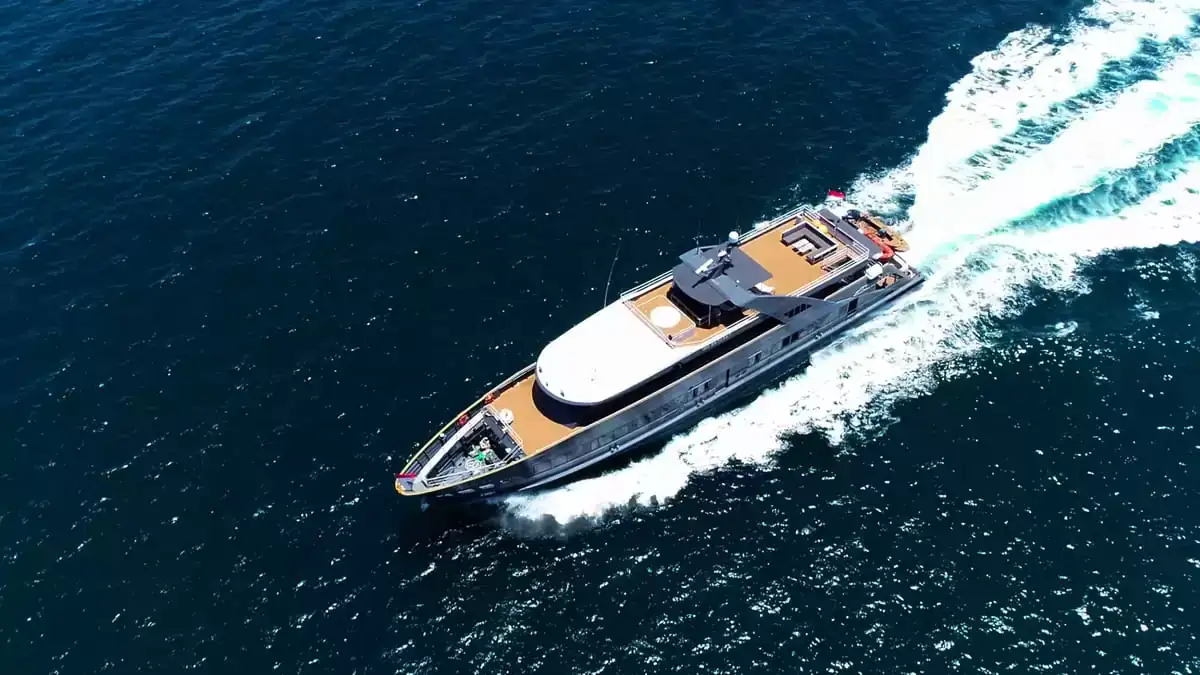
When should insurance cover begin on a phinisi you are buying? The moment risk passes to you — which is handover, not “sometime in the first week.” A phinisi is a traditionally built wooden vessel operating in remote waters, and the gap between taking ownership and binding cover is a gap in which a single engine-room fire, grounding or mooring failure lands entirely on the new owner. Binding insurance at purchase is a workstream that starts during the survey, runs parallel to the legal transfer, and completes minutes before the vessel is yours. Here is how we sequence it for buyer clients.
Why phinisi insurance is its own specialty
Underwriters price what they can assess, and a phinisi challenges every standard assumption in a yacht policy. The hull is ironwood and teak, fastened and caulked by hand in a Sulawesi yard rather than moulded in a European factory. The cruising grounds — Komodo, Flores, Raja Ampat — sit far from salvage infrastructure. The vessel may run commercial charters, private use, or the dual pattern of family yacht plus day-trip work that is increasingly common in Komodo. Each of these moves the risk, and only a handful of regional marine insurers and international specialty markets write the class comfortably. Start conversations with brokers who already hold phinisi tonnage on their books; a generalist household insurer quoting from a form will either decline or misprice, and a mispriced policy fails precisely when claimed against.
The survey is your underwriting file
The independent pre-purchase survey does double duty: it protects your negotiation, and it becomes the core of the insurance submission. A current 60–80 page condition report from a recognised surveyor — the document produced by the process on our survey page — answers most of what an underwriter will ask: hull condition, fastener state, machinery, electrical standard, safety equipment, firefighting arrangements. Send it in full. Buyers who submit selective extracts invite the two worst underwriting outcomes: a policy voidable for non-disclosure, or a schedule of subjectivities so long the cover is theoretical. Where the survey lists defects, expect warranties — conditions requiring rectification within a stated period — and treat them as part of the purchase arithmetic, alongside everything else in the first-year budget mapped on our operating economics page.
What the policy must actually cover
Four components make up a properly built phinisi placement. Hull and machinery on an agreed-value basis — insist on agreed value, because market-value wording on a hand-built wooden vessel guarantees a valuation dispute at claim time. Protection and indemnity for third-party liability, sized to charter guest exposure if the boat will work commercially. Crew cover, both because Indonesian employment practice expects it and because a full-time crew of six to twelve is the operating reality of these vessels. And war, strikes and allied perils where itineraries warrant. Commercial use must be declared explicitly: a policy written for private pleasure use will not respond to a day-trip guest injury, and the dual-use owner needs wording that follows the vessel between both roles. Buyers viewing working vessels in Komodo should ask for the seller’s current policy and claims history at the same time as the logbook — both documents teach you how the market has priced this exact hull.
Sequencing: from first quote to bound cover at handover
The timeline maps onto the standard 60–120 day acquisition. During survey weeks, approach two or three specialist brokers with the vessel particulars and intended use; quotes return in days. As the legal transfer advances, converge on one placement and clear subjectivities — outstanding survey items, safety equipment certificates, crew documentation. In the final week, align three moving parts: the completion funds (part of the wider wire discipline in our payment logistics guide), the premium payment, and the binder. Cover should attach at the contractual moment risk passes, evidenced in writing before the closing wire is released. If the vessel departs on a repositioning passage immediately after purchase, declare the voyage now — delivery legs to a new home port carry their own conditions, as covered in our guide to the delivery voyage.
Premium reality in USD
Expect annual premiums for a well-found phinisi to land, very roughly, between one and two and a half percent of agreed hull value, shaped by age, survey findings, cruising range, use pattern and claims record — a USD 2.5 million charter-active vessel will commonly carry a premium in the tens of thousands of USD per year. Rate structures firm up materially when the submission is strong: complete survey, documented maintenance, professional crew, restricted season where honest. Insurance is one of the places where the discipline of a well-run purchase pays a visible dividend every renewal thereafter.
Frequently asked questions
Can I insure a phinisi before I own it?
You can and should arrange it before you own it, with cover attaching at the moment of handover. Underwriters bind against a named vessel, an agreed value and a stated attachment date, so the placement is completed during the purchase and activates when risk passes to you.
Will insurers accept a traditionally built wooden vessel?
Specialist marine markets do, routinely — Indonesia’s charter fleet is substantially wooden and substantially insured. The requirements are a credible recent survey, professional crewing and honest use declarations. Generalist insurers unfamiliar with the class are the wrong door to knock on.
Does charter use change the insurance at purchase?
Fundamentally. Commercial use must be declared, liability limits sized to guest numbers, and crew cover arranged to Indonesian practice. A dual-use vessel — private with day-trip work — needs wording that covers both patterns; a private-pleasure policy will not respond to a commercial claim.
What if the survey finds defects — can I still bind cover?
Usually yes, subject to warranties requiring rectification within a set period. Underwriters distinguish between defects that affect seaworthiness now and maintenance items that affect it eventually. Price the rectification schedule into the purchase negotiation, because the policy will hold you to it.
Building an insurance placement alongside a purchase? Our buyer-side team runs both workstreams on one calendar — contact us via WhatsApp +62 811 3941 4563 or email bd@juaraholding.com, desks in Seminyak and Labuan Bajo.