
Buy Phinisi Indonesia: Foreign Buyer Timeline 2026
Can a foreigner buy a phinisi boat in Indonesia? Yes — via a PMA company or offshore flag. The week-by-week acquisition timeline, survey red flags on wooden hulls, and transfer paperwork, from a buyer-side brokerage.

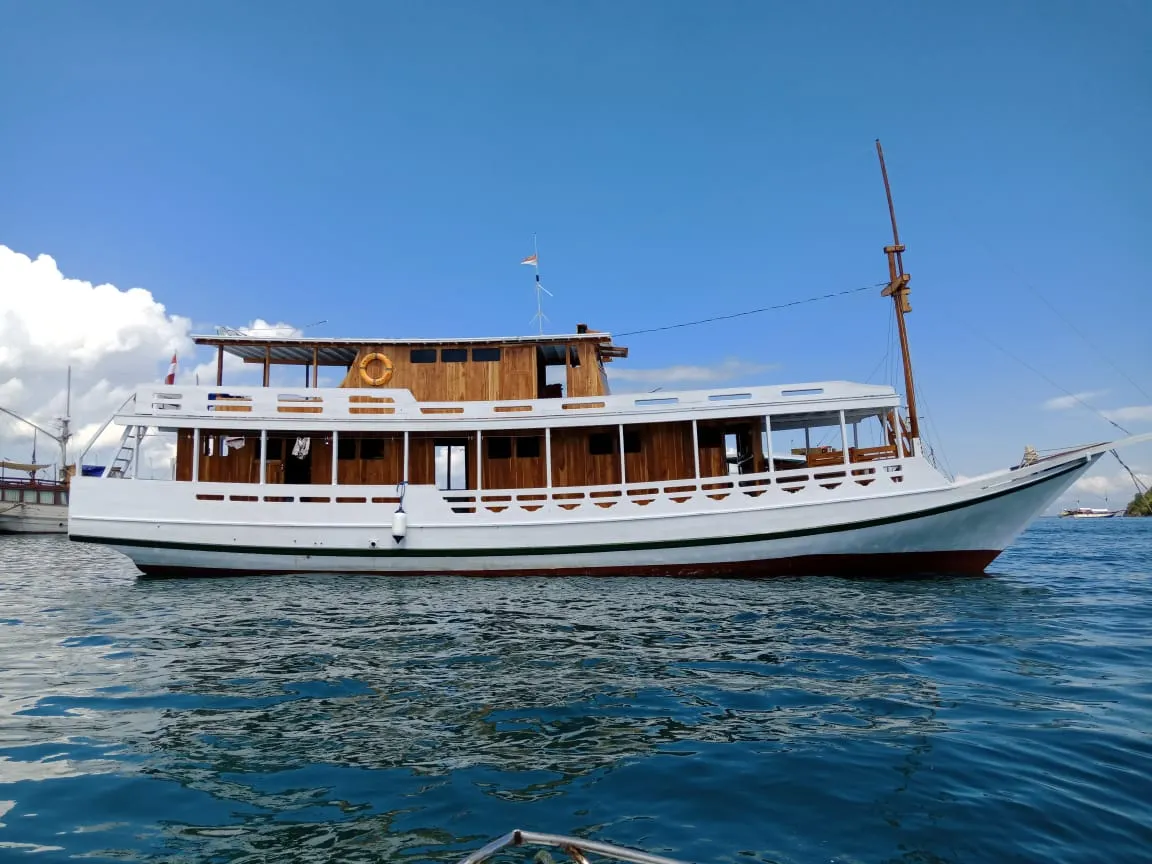
Can a foreigner buy a phinisi boat in Indonesia? Yes. Foreign buyers acquire Indonesian phinisi yachts every year through one of two established routes: an Indonesian PMA (foreign-investment) company that holds the vessel locally, or an offshore flag registration for owners who will cruise internationally. Neither route requires Indonesian citizenship. The full acquisition — from first shortlist to handover with crew — typically takes 60 to 120 days, with budgets running from USD 850K for a proven pre-owned schooner to USD 6.8M for a recent-build superyacht phinisi.
This guide walks through the acquisition timeline week by week, what a wooden-hull survey actually reveals, and the transfer paperwork that closes an Indonesian vessel purchase, based on our work as a buyer-side brokerage — we act for buyers only, never sellers.
Ownership routes for foreign buyers
There are two workable structures, and the right one depends on how you intend to use the boat:
- PMA company (PT PMA). A foreign-owned Indonesian company holds the vessel under Indonesian flag. This is the standard route when the phinisi will run commercial charters in Komodo, Raja Ampat, or elsewhere in Indonesian waters. Formation takes 6–10 weeks and costs USD 8.5–15K in professional fees; our team handles registration end-to-end. Details in our Indonesia PMA formation guide.
- Offshore flag. The vessel is registered outside Indonesia (commonly a recognised open registry) and owned directly by you or your holding entity. Suited to private-use owners who will cruise internationally; charter licensing in Indonesian waters then needs separate treatment.
Because the PMA can be formed in parallel with the survey and negotiation stages, the company setup rarely extends the overall timeline. For the legal detail, see buying a phinisi in Indonesia as a foreigner.
The acquisition timeline, week by week
A typical inquiry-to-closing runs 60–120 days. Here is how those weeks are actually spent:
- Weeks 1–2 — Brief and shortlist. We take your specification (LOA, cabins, use case — private, charter, or both), then shortlist from listed and off-market vessels. Buyers running an 8–10 guest day-trip or charter business have different survey priorities than private owners, so the brief matters.
- Weeks 3–4 — Inspection visit. You (or we, on your behalf) view the shortlist in Bali or Labuan Bajo. Request full media packs early — serious sellers provide them.
- Weeks 5–7 — Independent survey and sea trial. An independent surveyor produces a 60–80 page report (USD 8–18K) covering hull, rig, mechanicals, electronics, and interior, followed by a 2–4 hour sea trial under sail and engine. No deposit should be committed before this stage clears. Our yacht survey process page details what the report covers.
- Weeks 8–10 — Negotiation and escrow. Price and terms reflect survey findings. Funds move into escrow held by Indonesian maritime counsel — never directly to a seller.
- Weeks 10–14 — Structure and paperwork. PMA formation (if not already running in parallel), gross akta transfer, flag registration, and charter licensing where relevant.
- Weeks 12–17 — Handover. Vessel handover with crew contracts in place, inventory check, and post-acquisition setup: management, insurance, and berthing.
The full 10-stage version of this process, with what happens at each gate, is in our buyer’s process.
What a survey reveals on a wooden hull — and the red flags
Phinisi are hand-built in ironwood and teak, so the survey weighting differs from a GRP yacht. The findings that should stop or reprice a deal:
- Frame and keel condition. Soft spots, past sistering of frames, or keel bolt corrosion are structural — walk away or reprice substantially.
- Fastening corrosion. Mixed-metal fastenings below the waterline set up galvanic corrosion that is expensive to reverse.
- Undocumented refit history. A refit invoice trail matters more than fresh paint. Vessels 10–18 years old with sound hulls can be strong value as refit candidates, but only when the structure surveys clean.
- Engine hours vs. service records. Charter boats work hard; hours are fine if the maintenance log supports them.
Transfer paperwork: what actually changes hands
Closing an Indonesian vessel purchase involves four document workstreams, all handled through counsel while funds sit in escrow:
- Gross akta — the Indonesian deed of vessel ownership, re-issued to the new owning entity.
- Flag and registration — Indonesian flag under a PMA, or deletion certificate plus re-registration for an offshore flag.
- Charter licences — commercial operating permissions, transferred or re-applied depending on structure.
- Crew contracts — most pre-owned phinisi sell with an existing crew; contracts are re-signed to the new entity at handover, which is usually an advantage: the crew knows the boat.
Browsing current inventory
Our current phinisi listings run from 38m schooners to 58m superyacht builds, and part of our work is off-market sourcing against your specification. If you are weighing a purchase against chartering first, our comparison of chartering versus buying your own boat covers the economics.
Frequently Asked Questions
Can a foreigner buy a phinisi boat in Indonesia?
Yes. Foreign buyers own Indonesian phinisi through a PMA (foreign-investment) company holding the vessel under Indonesian flag, or through an offshore flag registration. Both routes are legal and well established; the PMA route is standard for boats that will run charters in Indonesian waters.
How long does it take to buy a phinisi in Indonesia?
Typically 60–120 days from inquiry to closing. The survey and sea trial stage takes two to three weeks, and PMA company formation (6–10 weeks) usually runs in parallel rather than adding time.
How much does it cost to buy a phinisi?
Pre-owned phinisi in sound condition generally trade between USD 850K and 4.8M depending on size, age, and refit history; recent-build superyacht phinisi reach USD 6.8M. Budget an additional USD 8–18K for the independent survey and USD 8.5–15K for PMA formation if you take the Indonesian-flag route.
Do I need an Indonesian company to own a phinisi?
Only if the vessel will fly the Indonesian flag — the usual choice for commercial charter operations. Private owners cruising internationally can hold the vessel under an offshore flag without an Indonesian entity.
What does a pre-purchase survey cover on a wooden hull?
A 60–80 page independent report covering frames, keel, planking, fastenings, rig, mechanicals, electronics, and interior, plus a 2–4 hour sea trial under sail and engine. On ironwood-and-teak hulls the structural sections carry the most weight in the buy/walk decision.
Can I buy a used phinisi with its existing crew?
Yes, and it is often preferable. Most pre-owned phinisi are sold with crew willing to stay on; contracts are re-signed to your owning entity at handover, keeping operational knowledge of the vessel intact.