
Step‑By‑Step Checklist Before You Buy A Phinisi

Understanding the Phinisi: The Jewel of Indonesian Waters
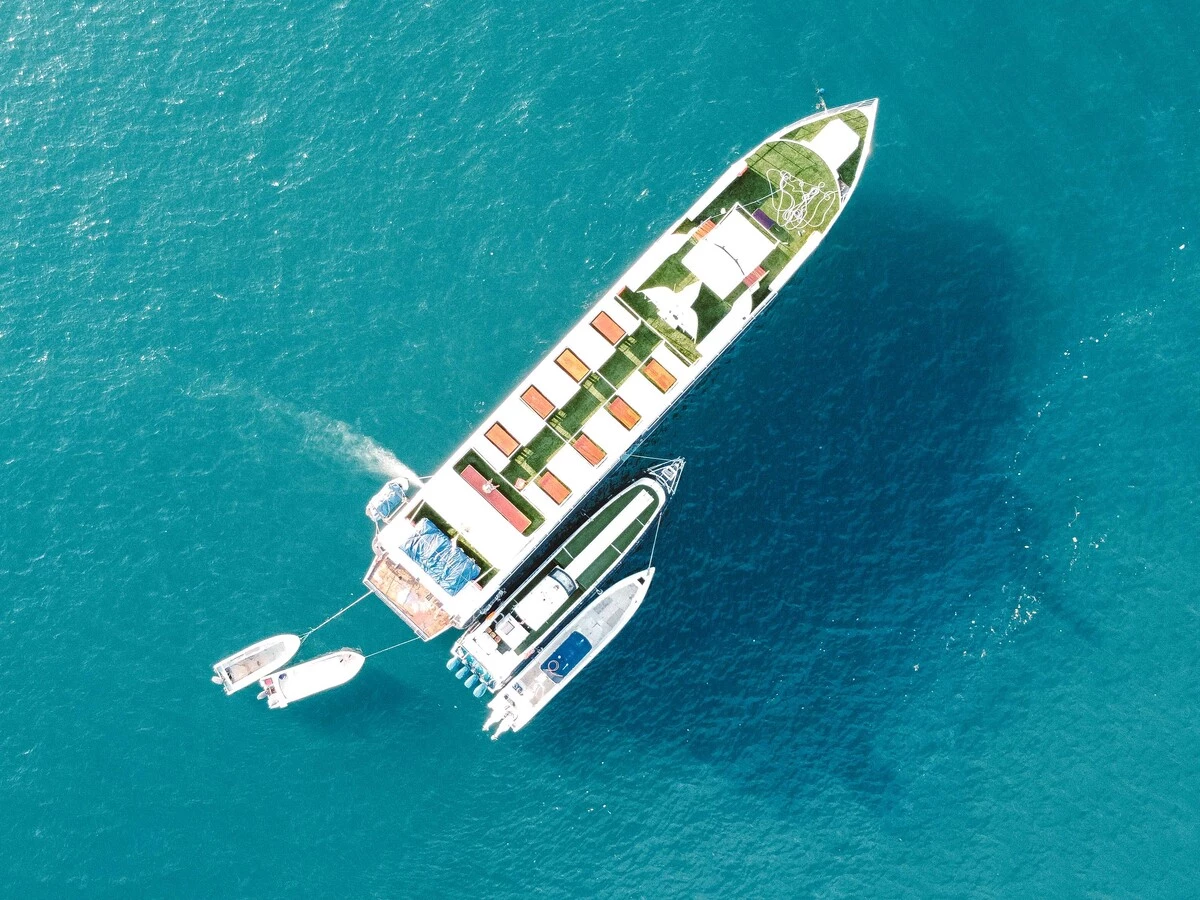
Before diving into the intricacies of buying a Phinisi, it’s essential to understand what makes this traditional vessel special. Originating from the Konjo people of Sulawesi, the Phinisi is known for its unique wooden hull, elegant lines, and ability to navigate both calm and rough seas. In 2026, a well-maintained Phinisi can command prices ranging from $150,000 to over $500,000, depending on its age, condition, and amenities. looking for a liveaboard for diving trips or a charter business, purchasing a Phinisi requires careful consideration and expert knowledge.
Step 1: Initial Research and Budgeting
Before you even start visiting boats, create a thorough budget that includes not just the purchase price but also ongoing operational costs. A typical budget breakdown might look like this:
- Purchase Price: $150,000 – $500,000
- Maintenance Costs: $10,000 – $30,000 per year
- Docking Fees: $500 – $2,000 per month in Labuan Bajo
- Insurance: $1,500 – $5,000 annually
- Staff Salaries: $500 – $2,500 per month for crew
Having a budget will also help you narrow down your options and prevent overspending. Remember to factor in additional costs such as upgrades or repairs needed right after purchase.
Step 2: Conduct Due Diligence
Once you’ve identified potential Phinisi boats, it’s time to conduct thorough due diligence. Here’s a detailed checklist of items to investigate:
- Age of the Boat: Older boats may have more charm but can come with hidden problems.
- Inspection of the Hull: Look for water damage, rot, or extensive repairs.
- Engine Condition: Check engine hours on used Phinisi boats; ideally, you want fewer than 2,000 hours on a diesel engine.
- Electronics: Ensure all navigation systems are functional.
- Safety Gear: Check for the presence and condition of life jackets, fire extinguishers, and emergency beacons.
Use this due diligence checklist to make informed decisions, ensuring you’re investing in a vessel that will serve you well for years to come.
Step 3: Questions to Ask the Phinisi Owner
Communication with the current owner is crucial. Here are some pertinent questions you should ask:
- How long have you owned the Phinisi? This can give insights into how well it has been maintained.
- What repairs or upgrades have been made? Understanding previous work can highlight potential issues.
- Why are you selling the boat? A straightforward answer can reveal hidden problems.
- Are there any outstanding debts or liens on the boat? You want a clear title.
These questions will help you gain a clearer picture of the boat’s history and current condition.
Step 4: Arranging a Pre-Purchase Survey
A pre-purchase survey for a Phinisi boat is an essential step that shouldn’t be overlooked. The survey should include:
- Structural Inspection: A marine surveyor will check for hull integrity, keel condition, and potential rot.
- Mechanical Systems: Inspecting the engine, generator, and air conditioning units is crucial. You should ask the surveyor how to test the generator and aircon to ensure they are functioning correctly.
- Electrical Systems: A thorough check of electrical wiring and systems is necessary to avoid future headaches.
Typically, a detailed survey can cost between $1,000 and $3,000 based on the complexity of the boat and the surveyor’s fees. Make sure to schedule this before finalizing the purchase.
Step 5: Performing a Sea Trial
A sea trial is essential in evaluating how the Phinisi performs in real conditions. Ideally, schedule the sea trial in Labuan Bajo, known for its calm seas and beautiful scenery. During the trial, pay attention to:
- Engine Performance: Listen for unusual sounds and check responsiveness.
- Handling: Note how the boat reacts in different maneuvering scenarios.
- Comfort: Ensure the boat is comfortable at cruising speed for passengers.
Typically, a sea trial should last at least two hours to provide a comprehensive understanding of the vessel’s capabilities. This is your opportunity to experience the Phinisi first-hand and evaluate whether it meets your expectations.
Step 6: Documentation and Legalities
Before finalizing your purchase, ensure you have all the necessary documents. Here’s a list of important paperwork to request:
- Bill of Sale: A legal document confirming the sale.
- Registration Documents: Proof that the boat is registered and has no liens.
- Maintenance Records: Full documentation of all repairs and upgrades.
- Insurance Records: Evidence of current insurance coverage.
Make sure to consult with a maritime lawyer or expert to ensure that all documents are in order and to navigate any local laws and regulations.
Step 7: Common Problems to Watch For
While Phinisi boats are generally well-built, there are common issues to look out for, especially in older vessels:
- Wood Rot: Particularly around the hull and deck, which can lead to severe structural issues.
- Engine Problems: Look for signs of oil leaks or overheating.
- Electrical Issues: Faulty wiring can lead to system failures and safety hazards.
Being aware of these common problems can save you from unexpected repair costs and headaches down the line.
FAQs
1. What is the average price of a Phinisi in 2026?
The price can range from $150,000 to $500,000, depending on age and condition.
2. How long does a pre-purchase survey take?
A pre-purchase survey typically takes 1-2 days, depending on the vessel’s complexity.
3. Where can I conduct a sea trial for a Phinisi?
Labuan Bajo is an ideal location for a sea trial due to its calm waters and scenic beauty.
Buying a Phinisi is a significant investment that requires careful planning and consideration. Ensure you follow this checklist step-by-step to make informed decisions that will lead to a rewarding experience on the water.
Ready to embark on your Phinisi adventure? Start your journey today!
Step 2: Engaging with Trusted Brokers and Sellers
Once you have a budget in place, the next step is to connect with reputable brokers or sellers who specialize in Phinisi vessels. The right broker can provide insights that will save you time and money. Look for brokers with a solid reputation in the industry, strong connections in the Indonesian maritime community, and a portfolio of previous successful transactions.
In 2026, a popular broker in the Labuan Bajo area is Komodo Yacht Broker, known for their extensive network and experience in handling Phinisi sales, often featuring vessels that range from $200,000 to $450,000. A good broker will guide you through the process, help with negotiations, and assist with the necessary paperwork, including registration and licensing.
When meeting with brokers or sellers, prepare a list of questions regarding the vessel’s history, including:
- Age and condition of the hull
- Last major renovations and repairs
- Previous ownership and usage
- Compliance with safety regulations
Establishing a trustworthy relationship with your broker can make the buying process smoother and help you gather critical information that might not be disclosed in listings.
Step 3: Inspecting the Vessel
Never skip the inspection phase. A thorough inspection can reveal hidden issues that might affect your decision. Schedule a comprehensive evaluation with a marine surveyor who specializes in wooden vessels. In Labuan Bajo, a reputable marine surveyor like Komodo Marine Services can provide detailed reports for an average fee of $1,000 to $2,500.
Focus on the following key areas during the inspection:
- Hull Integrity: Look for signs of rot, cracks, or delamination.
- Engine Condition: Ask for maintenance logs and check the engine’s operational status.
- Electrical Systems: Ensure wiring is up to code and functioning properly.
- Safety Equipment: Verify that all required safety gear is present and compliant with regulations.
Consider conducting trial runs to assess the boat’s performance under different conditions. This hands-on experience will give you a better sense of how the vessel handles and whether it meets your expectations.
Step 4: Legal and Compliance Considerations
Buying a Phinisi in Indonesia involves navigating various legal requirements. Ensure you are familiar with local laws and regulations concerning boat ownership, registration, and safety standards. In 2026, the Indonesian Maritime Authority now requires all boats used for commercial purposes to register and comply with strict safety regulations, which may include:
- Annual safety inspections
- Environmental impact assessments
- Licensing and permits for operating tours or diving charters
Working with a local maritime lawyer can help streamline this process. Fees for legal advice regarding boat registration and compliance can range from $1,000 to $5,000, depending on the complexity of your ownership structure and intended use of the vessel.
Additionally, be aware of regulations concerning crew requirements. For any commercial operation, you will need properly licensed crew members, which may involve additional training costs.
Step 5: Setting Up Maintenance and Operational Strategies
Once you’ve purchased your Phinisi, establishing a maintenance plan is crucial for keeping the vessel in top condition. Schedule regular maintenance checks every 3 to 6 months, and allocate your yearly maintenance budget wisely. In 2026, it’s common to budget around $15,000 annually for maintenance, including routine services and unforeseen repairs.
Consider forming partnerships with local service providers in Labuan Bajo for reliable repair and maintenance services. Additionally, if you plan to operate the vessel for commercial purposes, develop an operational strategy that includes:
- Marketing plans to attract tourists
- Partnerships with local dive shops or tour operators
- Scheduling regular routes or private charters to maximize your revenue
By thinking ahead about maintenance and operational strategies, you can ensure the longevity and profitability of your Phinisi investment.