
Understanding Phinisi Hull Designs: A Comprehensive Guide

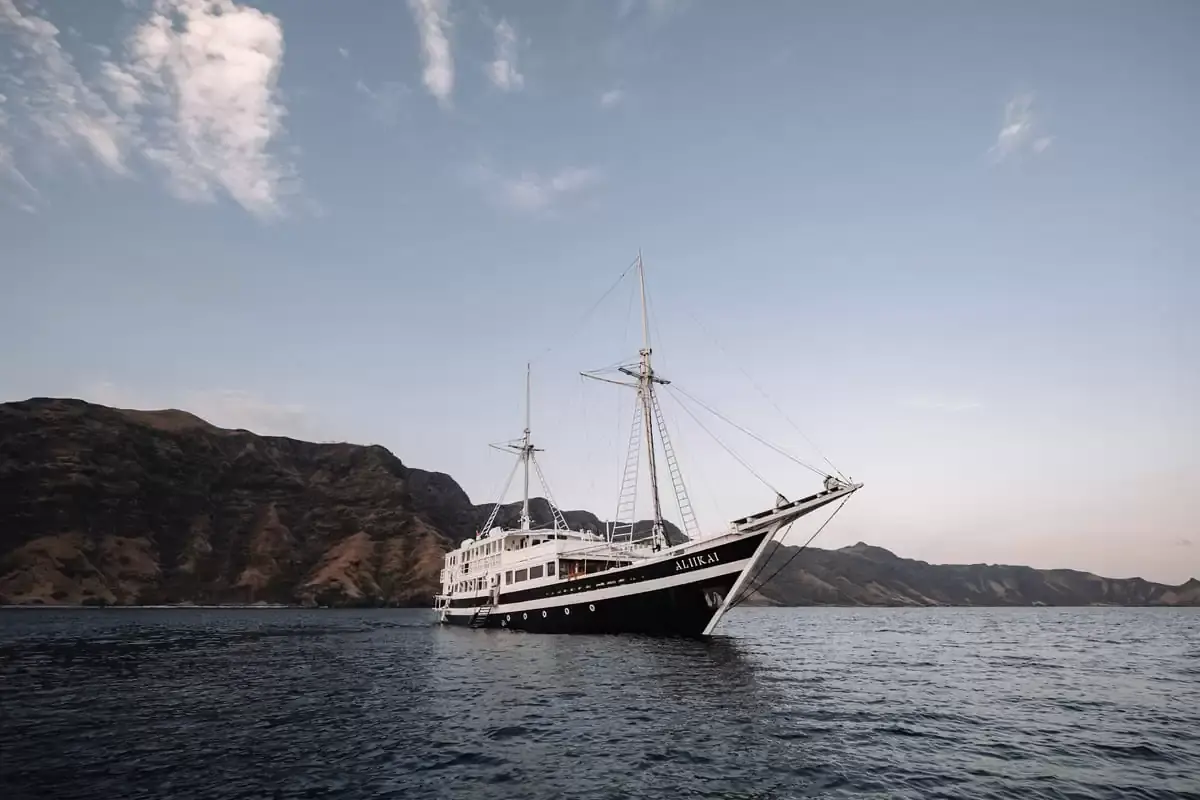
Phinisi hull design is crucial for stability, speed, and aesthetic appeal, making these boats ideal for both traditional use and modern adaptations.
Phinisi Hull Design: An Overview
The phinisi, a traditional Indonesian sailing vessel, is renowned for its distinct hull design, which combines functionality with elegance. Initially crafted by the Bugis and Makassar people of South Sulawesi, the phinisi’s design has evolved over centuries to meet both practical and aesthetic needs. In contemporary times, the phinisi hull design remains a vital factor in ensuring the vessel’s performance and stability, particularly in the diverse waters of the Indonesian archipelago.
Hull Design Types in Phinisi Boats
The design of a phinisi hull can vary based on intended use and regional influences. Generally, there are two primary hull design types: the ‘Lambo’ and the ‘Palari’. The Lambo design is recognized for its slender and elongated shape, which offers enhanced speed and efficiency on the water. Conversely, the Palari design is broader, providing increased stability, especially in choppy seas.
The choice between these designs depends largely on the intended purpose of the vessel. While some phinisi boats are tailored for cargo, others are crafted for leisure, impacting the hull’s shape and size. For instance, modern phinisi yachts often incorporate elements from both designs to optimize performance while ensuring luxury and comfort for passengers.
What are the Different Hull Designs Used in Phinisi Boats?
Phinisi boats primarily feature two hull designs: Lambo, known for speed and efficiency, and Palari, known for stability. These designs cater to different needs, from cargo transport to luxurious leisure sailing.
Phinisi Stability and Performance
Stability is a critical aspect of phinisi hull design, ensuring the vessel’s safety and performance in diverse maritime conditions. The choice of materials and the specific hull shape contribute significantly to a boat’s stability. Traditional materials such as ironwood are often used for their durability and resistance to decay.
Moreover, the double-masted configuration typical of phinisi boats provides additional balance and propulsion efficiency, complementing the hull design. This combination of factors allows phinisi vessels to navigate both open seas and coastal waters with ease, making them a preferred choice for adventurers and commercial operators alike.
Modern Adaptations of Traditional Designs
In recent years, phinisi hull designs have undergone adaptations to meet contemporary demands. These changes have included integrating modern materials and technologies while respecting the traditional craftsmanship that defines phinisi construction. The use of sustainable materials and eco-friendly finishes is increasingly common, aligning with broader environmental goals.
These adaptations ensure that phinisi boats remain competitive in the global market, appealing to a broader audience seeking unique marine experiences. The fusion of tradition and innovation is evident in the modern phinisi’s capacity to host luxury cruises and private charters, offering an exceptional blend of cultural heritage and modern comfort.
- Traditional Ironwood Construction
- Modern Composite Materials
- Eco-friendly Finishing Techniques
- Enhanced Stability Features
- Luxury Interiors for Modern Use
2027 Note on Phinisi Hull Design
As of 2027, the phinisi hull design continues to be refined, with an increased focus on sustainability and performance efficiency. Designers are exploring innovative ways to enhance the traditional designs without compromising their cultural significance. The growing interest in phinisi boats for both personal and commercial use underscores the enduring appeal of these unique vessels.
For further insights into the safety and compliance of phinisi boats, visit our dedicated page on safety and compliance to learn more about regulations and standards.
FAQ
What materials are used in phinisi hull construction?
Phinisi hulls are traditionally crafted from ironwood, prized for its strength and durability. Modern adaptations may incorporate composite materials for enhanced performance and sustainability.
How does hull design affect phinisi stability?
The hull design, including its shape and materials, significantly impacts a phinisi’s stability, providing a balance between speed and safety in various maritime conditions.
Are modern phinisi boats different from traditional ones?
Yes, modern phinisi boats often include luxury features and advanced materials while maintaining the traditional hull design, catering to both heritage and contemporary demands.