
Future Phinisi Safety And Survey Standards
By 2027, serious buyers should expect commercial phinisi in Indonesia to hold a current class certificate, a documented phinisi safety management system, a

By 2027, serious buyers should expect commercial phinisi in Indonesia to hold a current class certificate, a documented phinisi safety management system, and to pass full hull, engine, and safety surveys at least every 12 months. Unclassed boats or those without a valid phinisi safety certificate Indonesia will be increasingly sidelined from premium charter markets.
How will phinisi class and certification expectations look by 2027?
By 2027, most commercially active phinisi in Bali and eastern Indonesia are likely to need a recognised class certificate and formal safety documentation to access reputable agents, marinas, and dive operators. Today many boats already pursue a phinisi class certificate BKI (Biro Klasifikasi Indonesia) or a phinisi class certificate RINA, especially if they serve international guests.
This trend will tighten as the government aligns marine tourism rules with broader yacht tourism Indonesia 2027 policy outlook discussions. Policy drafts around green tourism standards Indonesia already signal higher expectations for emissions, waste handling, and operational transparency. Class societies are responding with more detailed construction and survey rules for traditional wooden vessels.
For buyers, that means budget phinisi built without full documentation at a phinisi survey yard Bulukumba will face higher upgrade costs and longer yard times. Expect brokers and financiers to insist on recent survey reports and a clear path to class if the vessel is to operate as a Bali-based commercial charter in 2027 and beyond.
What will change in hull surveys, thickness standards, and lifespan expectations?
Indonesia already requires periodic hull inspections for commercial vessels, but by 2027 buyers should anticipate more rigorous phinisi hull survey Indonesia procedures. Classed phinisi can expect mandated underwater inspections and dry-docking every 12–24 months, with ultrasonic readings of critical framing and planking.
Phinisi hull thickness standards are tightening in practice, even if rules for wooden ships remain less prescriptive than for steel. Surveyors are increasingly referencing equivalent steel scantling rules and requiring minimum residual thicknesses in key areas such as the keel, garboard strakes, and engine-room bilges. For trading boats converted to tourism, this can reveal hidden deterioration after years of cargo service.
As of August 2026, professional buyers typically model phinisi hull lifespan expectations at 25–35 years from new build for high-end charter use, assuming regular replacement of outer planking every 8–12 years and consistent anti-fouling maintenance. By 2027, insurance underwriters are likely to demand more structured hull maintenance plans and evidence of qualified carpentry work, particularly for vessels older than 20 years.
How will engine and machinery surveys in Indonesia become stricter?
A thorough phinisi engine survey Indonesia is already common in high-value transactions, but by 2027 it will be difficult to secure comprehensive charter insurance without it. Surveyors will expect full service records, oil analysis, and compression tests on main engines and generators, plus sea trials under realistic loading.
Rising diesel costs, alongside Bank Indonesia’s USD/IDR rates (for example, a sell rate around 18,077.94 IDR per 1 USD on 8 July 2026), are pushing operators toward better fuel-efficiency monitoring. Engine survey scope is expanding to include shaft alignment, exhaust back-pressure, and fuel system cleanliness, as contaminated fuel remains a leading cause of unplanned outages.
For buyers exploring a phinisi charter business for sale Bali, machinery condition will increasingly influence valuation. Expect survey comments on oversize propellers, under-rated cooling systems, or non-compliant fuel tanks to affect both price and the time needed to reach 2027-ready standards. Engines that cannot meet realistic reliability expectations for 7–10 day itineraries will likely require overhaul or replacement before commercial deployment.
What safety equipment and fire systems will charter guests expect by 2027?
Phinisi operating with international guests in 2027 will need to present a clear, audited phinisi safety equipment list aligned with Indonesian and international good practice. This includes SOLAS-grade life rafts, lifejackets for all persons on board (plus 10–20% spare), EPIRBs, AIS, VHF/DSC radios, and structured man-overboard procedures.
After several regional incidents, phinisi fire safety systems are receiving far more attention. Authorities increasingly look for fixed fire-fighting installations in engine rooms (such as CO₂ or clean-agent systems), fire-rated insulation between galley and accommodation, and clearly labelled fire lockers on deck. As of August 2026, many surveyors insist on heat and smoke alarms in all cabins and corridor spaces as a precondition for a phinisi safety certificate Indonesia.
Guests are also becoming more aware; online reviews frequently mention visible safety measures. Vessels that cannot show regular drills, updated logbooks, and a structured phinisi safety management system are at higher risk of agent blacklisting and insurance premium surcharges by 2027.
How will dive operations and tenders be regulated on phinisi cruises?
Phinisi diving operations safety is moving toward codified standards comparable to established liveaboard hubs such as the Red Sea. Expect clearer requirements on maximum diver numbers per guide, oxygen kit capacity, and mandatory briefings for night dives and drift dives. Some insurers are already asking for dive supervisor qualifications to be documented and renewed every 2–3 years.
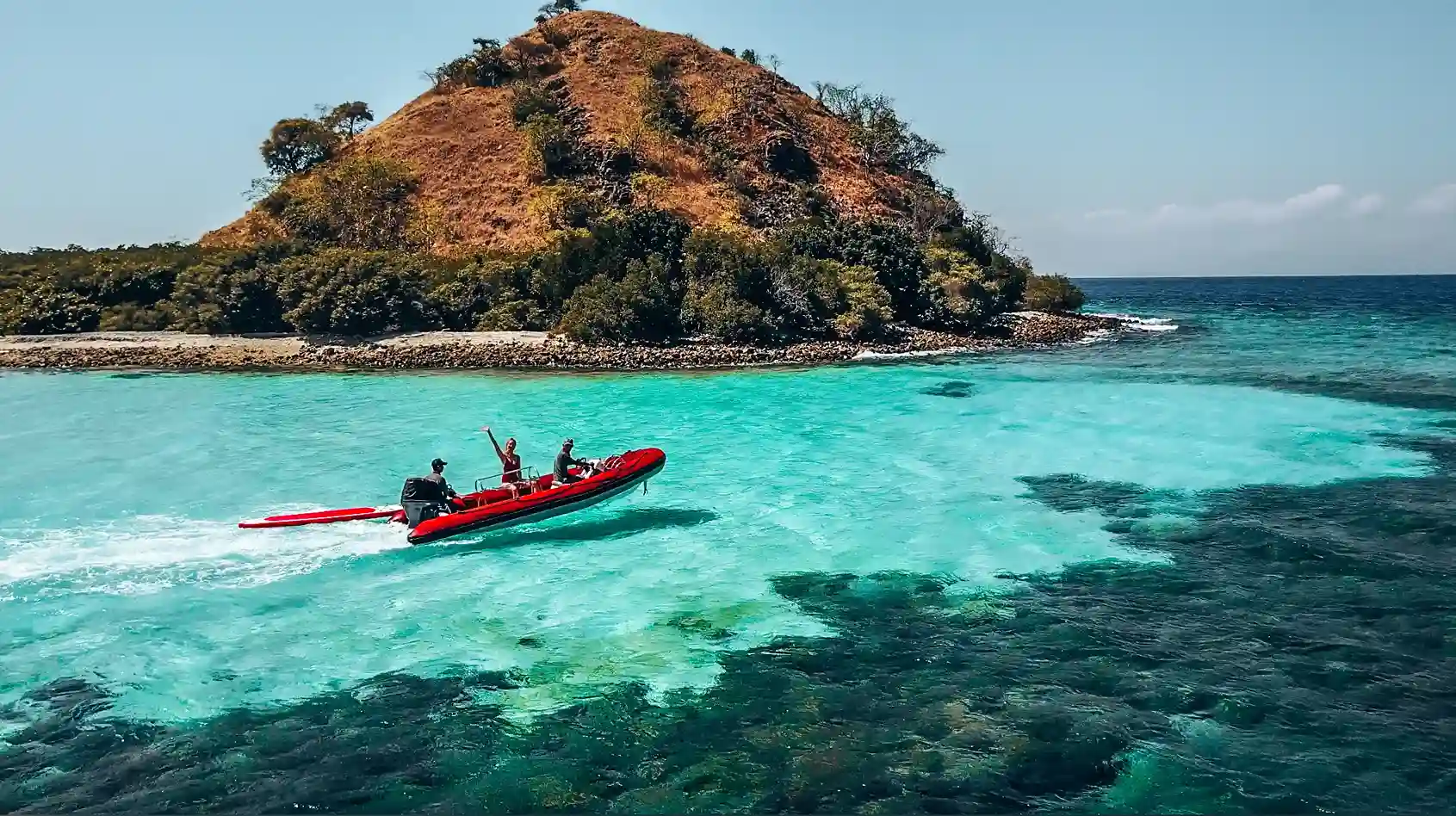
Phinisi dive tender safety is another focus. By 2027, it is realistic to expect written procedures covering lifejackets, VHF or handheld radio carriage, navigation lights for night transfers, and kill-switch lanyards for outboard engines. Capsize and propeller injury risk are driving stricter boarding and disembarkation protocols.
For buyers wanting to position a vessel in Bali’s higher-value dive segment, the standard blueprint will likely include a dedicated dive deck, compressor room with monitored ventilation, and separate storage for cylinders and nitrox systems. These features will increasingly be scrutinised during the phinisi pre purchase survey stage, impacting both capital cost and earning potential.
How should buyers prepare now for 2027-level surveys and safety standards?
Buyers looking at phinisi today need to plan for the standards that will exist three to five years ahead, not simply pass current minimums. That starts with a rigorous phinisi pre purchase survey combining hull, machinery, and operational safety, ideally carried out at a reputable phinisi survey yard Bulukumba or a Bali yard with lifting capacity and experienced marine surveyors.
Documentation is central. Class certificates, an updated phinisi safety inspections schedule, and a digitalised phinisi safety management system will be as important to charter brokers in 2027 as interior photographs. For foreign investors, aligning vessel standards with guidance in a phinisi for sale foreign buyers legal guide can prevent costly retrofits after import or reflagging.
Investors considering a structured phinisi investment package Bali Indonesia should assume capital allocations for periodic yard time every 18–24 months, hull monitoring, and upgrades in line with evolving green tourism standards Indonesia. Treated as part of a 5–10 year asset plan, these investments enhance resale value and keep the vessel in the preferred segment of the charter market.
- Plan dry-docking and full surveys at least every 12–24 months to align with a robust phinisi safety inspections schedule.
- Ensure the vessel targets or maintains a current phinisi class certificate BKI or phinisi class certificate RINA for commercial work.
- Document hull condition with ultrasonic readings to support long-term phinisi hull lifespan expectations and resale value.
- Maintain a written phinisi safety equipment list, fire plan, and log of drills as part of a formal safety management system.
- Commission independent phinisi hull survey Indonesia and phinisi engine survey Indonesia reports before finalising any purchase.
- Design or refit dive platforms and tenders around recognised phinisi diving operations safety and phinisi dive tender safety guidance.
- Align waste, fuel, and emissions practices with emerging green tourism standards Indonesia to future-proof operations.
Frequently asked questions
how much does phinisi safety and survey standards 2027 cost in Bali?
Costs vary by vessel size, age, and class target. As of August 2026, buyers typically budget USD 8,000–20,000 (about 144–360 million IDR using Bank Indonesia ranges) for combined hull, engine, and safety upgrades after survey findings, excluding major engine overhauls or full replanking, which can raise costs substantially.
is phinisi safety and survey standards 2027 worth it in Bali?
For commercial operations in Bali, aligning with 2027-level standards is increasingly essential. Strong survey records and documented safety systems support better charter rates, lower insurance risk, and access to reputable agents. Buyers planning multi-year operations or resale generally recover the investment through higher utilisation and stronger buyer confidence.
what is included in phinisi safety and survey standards 2027?
By 2027, buyers can expect standards to include regular hull and machinery surveys, audited fire and life-saving appliances, a written phinisi safety management system, updated class or safety certificates, and documented procedures for diving, tender transfers, and emergencies. Evidence of compliance—photos, logs, and reports—will be part of any serious sale or charter due diligence.
how often should a commercial phinisi in Bali be surveyed?
Most commercial phinisi should plan for annual in-water checks and a more comprehensive haul-out survey every 18–24 months. Classed vessels may follow stricter intervals set by BKI or RINA. Older hulls and heavily used dive boats often benefit from more frequent inspections to manage wear, especially around engines and wet bilges.
how do phinisi safety standards interact with green tourism standards Indonesia?
Safety and sustainability are converging. Green tourism standards Indonesia increasingly reference fuel efficiency, waste management, and noise control, all of which intersect with machinery and operational surveys. A vessel that meets higher safety expectations typically has better systems for waste, fuel, and emissions, supporting access to eco-focused markets and partnerships.
For tailored guidance on aligning a specific vessel or acquisition plan with phinisi safety and survey standards 2027, contact the BD desk at Juara Holding Group via WhatsApp 6281139414563 or email bd@juaraholding.com.
Last updated 1 August 2026