
Phinisi Investment ROI Scenarios In 2027
For a typical 35–40 m phinisi investment based in Bali, conservative 2027 ROI scenarios range from 7–12% net annually at 45–55% occupancy, up to 18–25% net

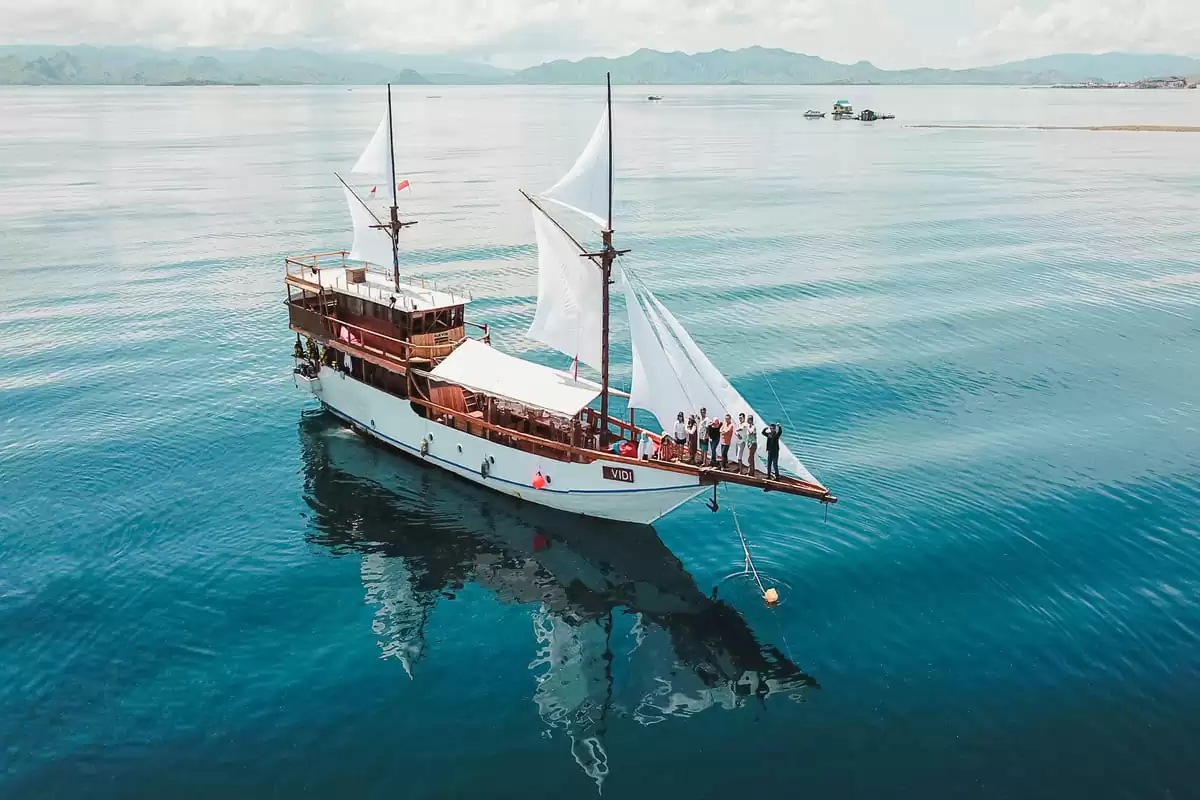
For a typical 35–40 m phinisi investment based in Bali, conservative 2027 ROI scenarios range from 7–12% net annually at 45–55% occupancy, up to 18–25% net annually in strong years with 65–75% occupancy and successful ancillary revenue streams. Payback periods generally run 5–10 years, depending on build cost and financing.
What acquisition and build costs shape Bali phinisi ROI in 2027?
For a Bali-based investor, the starting point in any phinisi investment Bali 2027 roi scenarios discussion is the all‑in acquisition cost. As of August 2026, a quality 30–40 m wooden phinisi built in Indonesia for premium charter typically falls in the USD 1.3–2.5 million range, depending on finish level, cabin count, and engineering specification.
Local resale prices reflect this: smaller, older boats may trade below USD 900,000, while top‑end “mini yacht” concepts with a dedicated phinisi spa and wellness area and sophisticated phinisi cabin layout optimization can move above USD 3 million. Currency risk is significant. Bank Indonesia’s May 2026 reference put 1 USD around 17,789 IDR, while July 2026 bank retail rates hovered around 18,000–18,100 IDR per USD, affecting the rupiah cost of imported equipment and repayments on USD loans.
Buyers usually choose between existing vessels sourced via a phinisi dealer indonesia and commissioning a new build in Sulawesi or other traditional hubs, then moving phinisi base to Bali once the hull and interior are complete. New builds demand strict oversight of phinisi engineer certification and detailed technical specifications, but can yield lower entry costs per cabin if managed tightly. Financing terms, explored in resources on phinisi financing and marine asset lending 2027, also materially change projected ROI curves.
How much revenue can a Bali phinisi generate under 2027 market rates?
Published Bali charter prices provide a starting benchmark for 2027 revenue modelling. A Bali‑based luxury phinisi such as Aquamarine advertises, as of August 2026, around IDR 24,500,000 (≈ USD 1,350–1,400 at mid‑2026 customs rates) for a full‑day cruise, and IDR 47,500,000–65,000,000 for 3–5 day packages. Shorter, per‑seat products like Sailor Dinner Cruise sell from about IDR 398,000 (promo WNI) up to IDR 720,000 for international guests.
For a 35–40 m phinisi targeting private charters, there are three main revenue archetypes in a 2027‑forward scenario:
First, a premium charter model focusing on multi‑night itineraries such as a phinisi komodo cruise from bali or Nusa Penida/Lembongan. At 60 charter nights per year at an average IDR 55,000,000 nightly rate (as of August 2026), gross charter revenue approaches IDR 3.3 billion annually.
Second, a mixed product model adding shared sunset or dinner cruises at IDR 450,000–720,000 per head. Running 120 nights with 30 guests on average at IDR 550,000 yields roughly IDR 1.98 billion on top of private charter income. Third, a full “event & wellness” model includes onboard weddings, corporate dinners, and phinisi wellness package upsell products. In that case, direct charter rates may hold steady while ancillary revenue per guest rises by 10–30%, shifting the ROI profile upward even at similar occupancy.
What operating costs and technical factors erode or protect ROI?
Operating costs typically consume 45–65% of gross revenue in realistic phinisi investment Bali 2027 roi scenarios. Fuel, crew, maintenance, and regulatory compliance account for the majority. For a Bali‑based vessel, higher fuel prices during peak July–September 2027 holiday traffic and increased wear from frequent short trips must be factored in.
Technical tracking such as phinisi generator hours valuation becomes critical after year three. Higher generator hours directly impact resale price and planned overhauls. A detailed phinisi inventory list template helps owners monitor consumables and spares to avoid costly last‑minute purchases in foreign currency.
Regulatory compliance also adds structured but manageable cost. Items like the phinisi passenger certificate, phinisi port clearance indonesia procedures, and periodic safety surveys require professional handling and may tie into mandatory dry‑dock windows that temporarily reduce revenue days. Planning these in low‑demand months (typically February–March for Bali) can protect overall ROI.
Investors should also budget for professional crew training, particularly around phinisi cultural etiquette indonesia, hospitality standards, and technical upskilling, keeping turnover lower and guest ratings higher. A well‑trained engineer team with current phinisi engineer certification reduces breakdown risk, protects revenue days, and supports a more attractive resale profile in 2030 and beyond.
How do different demand and pricing scenarios change ROI from 2027 onward?
Once acquisition and cost baselines are clear, ROI depends on three levers: utilisation (nights sailed or events), pricing, and ancillary revenue streams phinisi. A conservative “Base Case 2027–2029” might assume 45% annual utilisation (about 165 calendar‑days in operation) with mixed short and long trips, average net margin after operating cost around 25% of gross. On an IDR 4.5 billion revenue year, that yields roughly IDR 1.1–1.2 billion net, or 7–9% unlevered ROI on a IDR 13–15 billion asset.
A stronger “Upside Case” assumes more aggressive digital marketing and better search visibility, including traffic from users looking for phinisi bali near me and route‑linked products like Komodo and Lombok. Here, 60–70% utilisation could lift total annual revenue to IDR 6–7.5 billion. If operating efficiencies hold margins near 30%, net cashflow can reach IDR 1.8–2.2 billion, implying 14–20% unlevered ROI.
“Downside Case” modelling should not be ignored: global downturns, new regulations, or port capacity constraints can push utilisation back to 30–35%. Owners then lean heavily on reduced crew size, careful maintenance scheduling, and refinancing opportunities. For all scenarios, investors should consult guidance on legal phinisi ownership Indonesia 2027 rules and phinisi charter permit Indonesia 2027 updates to avoid compliance shocks that erode returns.
How can layout, wellness, and service design enhance revenue per guest?
Physical design choices substantially influence yield. Phinisi cabin layout optimization determines maximum guest count and how many premium suites can command higher nightly rates. Efficient layouts often use 4–6 guest cabins plus crew spaces, with at least one full‑beam master suite to attract honeymoon and VIP bookings at a 20–40% rate premium versus standard cabins.
A purposeful phinisi spa and wellness area can transform a standard cruise into a floating retreat. Installing two treatment rooms plus an outdoor relaxation deck supports hiring a dedicated phinisi wellness therapist onboard. This role becomes an anchor for phinisi wellness package upsell offers (e.g., daily massages, sunrise yoga, breathwork sessions), frequently adding USD 100–300 per cabin per cruise in incremental revenue in 2027‑style pricing environments.
Beyond hardware, training crew in phinisi cultural etiquette indonesia and tailored service standards elevates guest reviews, which in turn allow rate increases over time. Even small actions—local storytelling, temple‑visit guidance, etiquette briefings before village stops—strengthen perceived value and reduce price sensitivity. Across a full year of 50–80 departures, the combined impact of layout and wellness revenue can add several hundred thousand US dollars in topline revenue and move ROI from the mid‑single digits into the teens for well‑managed vessels.
- Typical phinisi passenger certificate limits: often 12–20 overnight guests plus crew, depending on tonnage and design.
- Indicative charter pattern: 3–5 day trips to Nusa Penida or Komodo, with rates indexed to Aquamarine‑style published prices as of August 2026.
- Key documents for Bali operations: vessel registration, safety certificates, crew licences, and port clearance records for each movement.
- Technical files: detailed phinisi inventory list template, maintenance logs, and generator‑hours tracking to protect resale value.
- Lead times: 18–30 months for a new‑build phinisi from contract signing to moving phinisi base to Bali under realistic 2027‑forward yard schedules.
- Compliance checks: regular audits of phinisi engineer certification status and safety drills to meet Indonesian maritime standards.
- Revenue diversifiers: spa treatments, wellness retreats, photography charters, and sunset dinners to smooth seasonality.
Frequently asked questions
how much does phinisi investment Bali 2027 roi scenarios cost in Bali?
For 2027‑forward planning, a serious phinisi investment linked to Bali typically requires USD 1.3–2.5 million for a 30–40 m vessel, plus 10–20% contingency for fit‑out, permits, survey, and working capital. Operating reserves covering 6–12 months of fuel, crew, and maintenance are strongly recommended to protect early‑year ROI.
is phinisi investment Bali 2027 roi scenarios worth it in Bali?
It can be worthwhile for investors with a 7–10 year horizon and realistic utilisation targets. Under moderate assumptions—45–60% occupancy, stable pricing, and strong cost control—net annual ROI often lands between 8–18%. Returns improve meaningfully if wellness and event revenue are developed alongside standard charter income.
what is included in phinisi investment Bali 2027 roi scenarios?
Typical ROI scenarios include acquisition or build cost, Bali repositioning, permits, crew salaries, fuel, maintenance, insurance, and port fees. On the income side, models factor private charters, per‑seat dinner cruises, wellness upsells, and events. Sensitivity analysis across occupancy, rates, and exchange rates is standard for 2027‑forward planning.
How does phinisi price Bali compare to other Indonesian regions for investors?
As of August 2026, phinisi price Bali for charters trends higher than many other Indonesian regions because of stronger demand, easy air access, and premium branding. Asset purchase prices are more influenced by build origin and specification than by final base, so investors often build elsewhere, then homeport in Bali for higher revenue potential.
How can an investor source a suitable phinisi and verify ROI assumptions?
Investors usually engage a reputable phinisi dealer indonesia or brokerage team, request full technical and financial data, and benchmark against market‑visible charter prices. Independent surveys, careful review of phinisi generator hours valuation, and professional revenue modelling are used before committing. For shortlisted options, see our curated luxury phinisi yacht for sale Indonesia listings.
To discuss specific numbers for your project, request detailed 2027–2032 ROI modelling via WhatsApp 6281139414563 or email bd@juaraholding.com (BD desk Juara Holding Group).
Last updated 1 August 2026