
Park Fees, Fuel Surcharge & Hidden Costs For Phinisi Owners

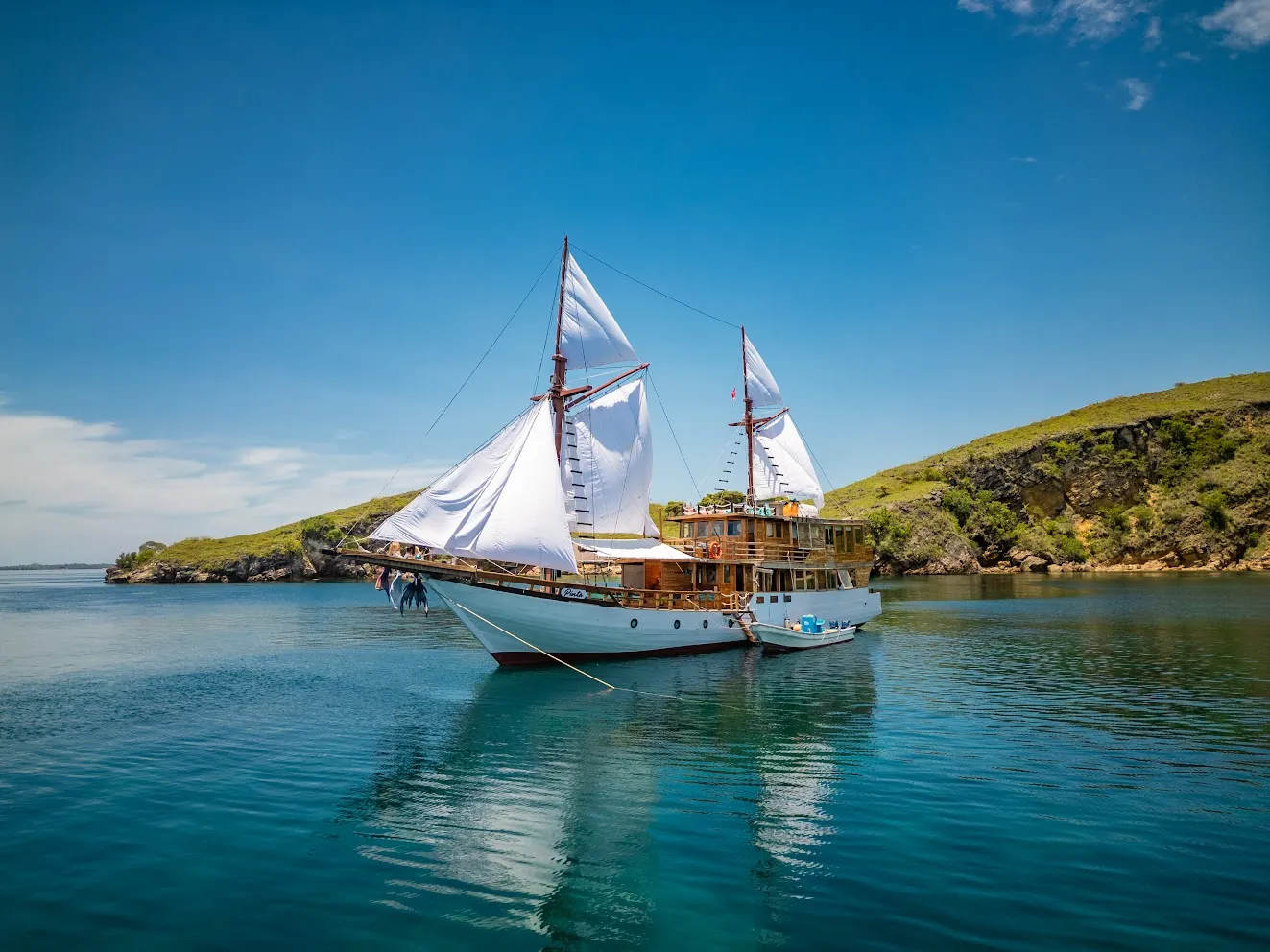
Understanding the Financial Landscape of Operating a Phinisi in Komodo National Park
Owning a Phinisi and exploring the striking waters of Komodo National Park is an enticing prospect for many. However, prospective owners must be well-versed in the various costs associated with operating these traditional boats. In 2026, your journey will involve park fees, fuel surcharges, and hidden costs that can significantly affect your budget.
The Breakdown of Park Fees
When venturing into Komodo National Park, one of your primary expenditures will be the park fees. As of 2026, private boat operators are expected to pay USD 15 (approximately IDR 225,000) per person for entry into the park. This fee grants you access to some of the world’s most stunning marine landscapes and the opportunity to encounter the majestic Komodo dragons. Additionally, if you’re planning guided activities, there will be supplementary fees.
- Snorkeling and Trekking Fee: The snorkeling fee for Komodo is roughly USD 10 (IDR 150,000) per person, while trekking fees can go up to USD 20 (IDR 300,000) per person, depending on the designated area.
- Ranger Fees: For guided treks in Rinca Island, expect to pay a ranger fee of USD 7 (IDR 100,000) per person. This fee ensures that you have a knowledgeable guide to enhance your experience and ensure your safety.
Harbor Fees and Regulations in Labuan Bajo
Another significant expense that Phinisi owners should consider is the harbor fees in Labuan Bajo. In 2026, the harbor fee for private yachts is approximately USD 25 (IDR 375,000) per day. This fee includes basic facilities such as water and electricity, but keep in mind that the costs can accumulate if you plan to dock for an extended period.
Additionally, if you decide to utilize the harbor’s services for refueling or repairs, those costs can add up quickly. Make sure to budget accordingly, especially during peak travel months like July and August when demand increases.
The Impact of Fuel Prices
Fuel is one of the most significant ongoing costs for operating a Phinisi. As of early 2026, fuel prices in Labuan Bajo are hovering around USD 1.00 per liter (approximately IDR 15,000). Depending on your itinerary, the amount of fuel consumed can vary greatly. For instance, a typical trip from Labuan Bajo to Rinca Island can consume anywhere between 100 to 300 liters of fuel, depending on the boat’s capacity and how heavily you are loaded.
For example, if you plan a journey that requires 200 liters of fuel, the cost would be around USD 200 (IDR 3,000,000). Always keep in mind potential fluctuations in fuel prices and stock up before embarking on longer trips to avoid being stranded or incurring emergency refueling costs.
Navigating Pilot Fees and Regulations
In addition to harbor and fuel costs, there are pilot fees that need to be accounted for when waters of Komodo National Park. The pilot fee for Phinisi boats is approximately USD 50 (IDR 750,000) per day. This cost is crucial, as navigating in the vibrant yet sometimes treacherous waters requires skilled knowledge of the area.
It’s advisable to hire a local pilot who is familiar with the currents and navigational hazards, especially if you plan to explore remote islands. This not only enhances safety but also allows you to enjoy the striking scenery without the added stress of navigation.
Waste Management Costs
Another hidden cost that often goes overlooked is waste disposal. In 2026, the waste disposal fee in Labuan Bajo harbor is around USD 15 (IDR 225,000) per visit. This fee covers the proper disposal of waste generated during your trip. Given the environmental sensitivities of the region, proper waste management is not only a legal requirement but also an ethical one. Always ensure that you are disposing of waste responsibly and adhering to local regulations.
Extra Costs When Operating a Phinisi
While the costs mentioned provide a fundamental overview, there are additional considerations that might catch new owners off guard. Here are a few extra expenses to keep in mind:
- Insurance: Insuring your Phinisi is crucial and can cost anywhere from USD 500 to USD 1,500 annually, depending on coverage.
- Maintenance: Regular maintenance for a Phinisi can run between USD 300 to USD 1,000 annually, depending on the boat’s age and condition.
- Crew Wages: Hiring and maintaining a crew can also be a significant expense. Depending on their experience and roles, crew salaries can range from USD 300 to USD 1,000 per month.
Conclusion
Owning and operating a Phinisi in Komodo National Park can be one of the most rewarding experiences. However, it is essential to be fully aware of the various costs involved—from park fees and fuel surcharges to hidden expenses like waste disposal and maintenance. Understanding these financial commitments will not only help you budget effectively but also allow you to enjoy your adventures in this striking part of the world without unexpected financial surprises.
FAQ
1. What are the total park fees for a day trip in Komodo National Park?
The total park fees can amount to around USD 32 (IDR 480,000) per person when including entry, snorkeling, and ranger fees.
2. How can I manage fuel costs while operating a Phinisi?
To manage fuel costs, consider planning your itinerary carefully, refueling at competitive prices, and avoiding peak travel months when fuel demands might drive prices higher.
3. Are there any additional fees for night anchoring in Komodo?
Currently, there are no specific fees for night anchoring in the national park, but it’s always best to check for any updates regarding regulations.
Now that you’re equipped with this knowledge, consider your journey into the beautiful waters of Komodo National Park!
Fuel Costs: A Major Operating Expense
Fuel is one of the most significant operating expenses for Phinisi owners. In 2026, the average price of marine diesel fuel in Indonesia is expected to hover around USD 0.80 per liter (IDR 12,000). Given that a Phinisi consumes approximately 30 liters per hour, fuel costs can quickly add up. For a typical 5-day trip, you might spend around USD 300 (IDR 4,500,000) just on fuel alone, assuming around 10 hours of cruise time each day.
To mitigate these costs, consider optimizing your itinerary to reduce travel time. Instead of covering distant islands in one trip, focus on areas closer together, which can help reduce fuel consumption. Additionally, booking fuel in bulk at ports like Labuan Bajo might give you better rates than purchasing at remote locations.
Hidden Costs: Insurance and Maintenance
While the park fees and fuel are straightforward, many Phinisi owners overlook the ongoing costs of insurance and maintenance. In 2026, comprehensive insurance for a Phinisi may range from USD 1,000 to USD 2,500 annually, depending on the boat’s value and operational risk. This expense is crucial for protecting your investment against damages or accidents.
Maintenance is another area where costs can spiral. Regular maintenance checks and repairs are essential, particularly for wooden vessels exposed to harsh marine conditions. Budget at least USD 300 (IDR 4,500,000) annually for routine upkeep, which includes hull inspections, engine servicing, and any necessary refurbishments. It’s advisable to keep a contingency fund of around 10-15% of your total operational budget to cover unexpected repairs.
Crew Costs: Hiring and Training
Another area that can significantly impact your budget is crew costs. In 2026, the average monthly salary for a qualified crew member in the Labuan Bajo area is expected to be around USD 300 (IDR 4,500,000). For a crew of three (captain, cook, and deckhand), this totals around USD 900 (IDR 13,500,000) monthly.
Furthermore, investing in crew training is vital for safety and service quality. Offering your crew professional development opportunities, such as first aid or hospitality training, can cost an additional USD 200 to USD 500 (IDR 3,000,000 – IDR 7,500,000) annually. This adds not only to their competencies but also to your guests’ experiences, making it worthwhile in the long run.
Additional Costs to Consider: Permits and Taxes
Operating a Phinisi in Indonesia comes with its legal requirements, which often include obtaining various permits and paying taxes. In 2026, expect to pay around USD 250 (IDR 3,750,000) for the necessary operational permits, including tourism licenses and safety inspections. These permits ensure compliance with local regulations and are essential for legal operation.
Additionally, don’t forget about local taxes. Depending on your operational model, you may need to account for a local government tax of around 10% on your gross income. If you generate an income of USD 5,000 (IDR 75,000,000) during peak tourist season, set aside about USD 500 (IDR 7,500,000) for taxes. Failure to comply could result in fines or suspension of your operations.