
Hybrid Propulsion Retrofits For Phinisi 2027
By 2027, a practical hybrid propulsion phinisi retrofit in Bali typically means replacing or downsizing the main diesel, adding electric motors and a large

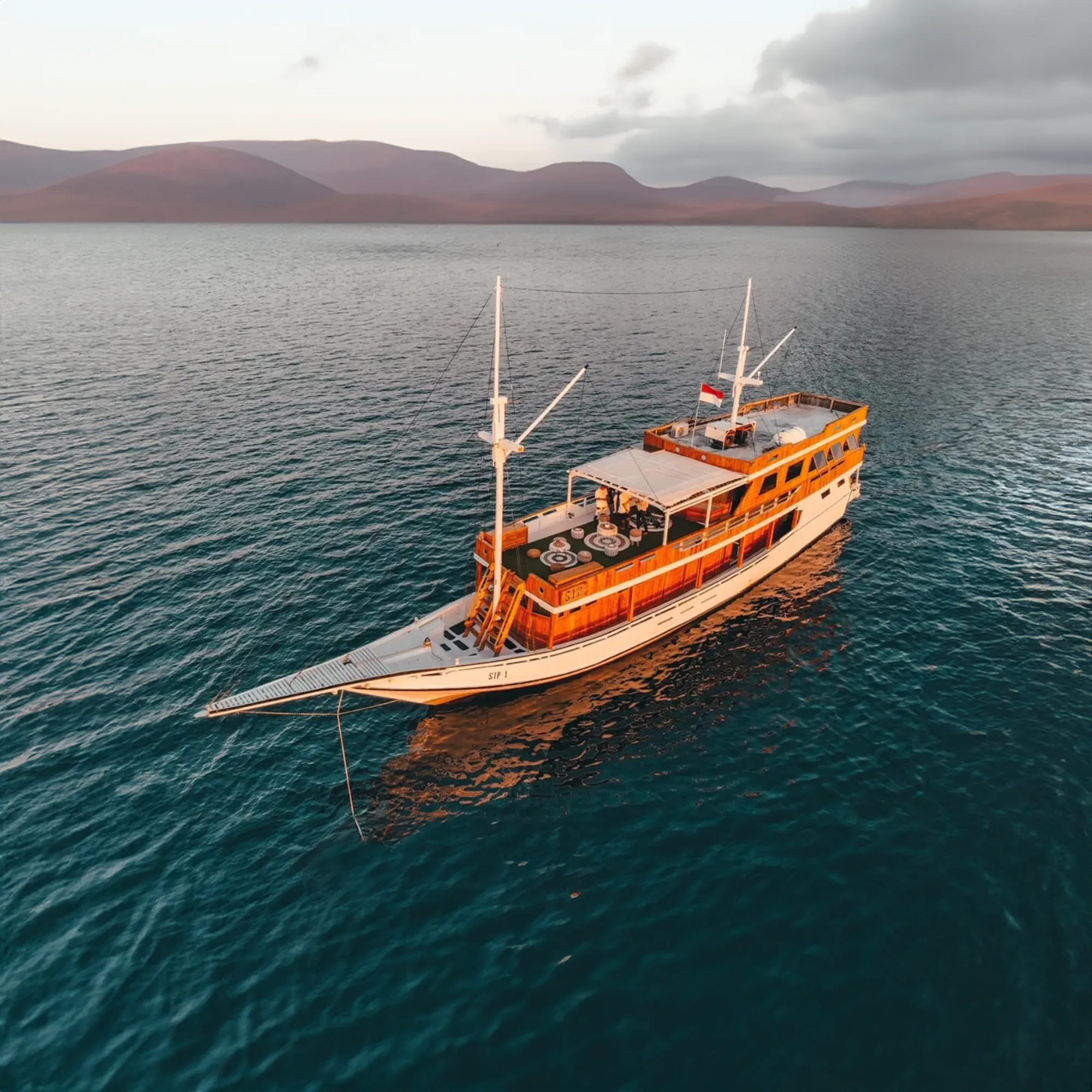
By 2027, a practical hybrid propulsion phinisi retrofit in Bali typically means replacing or downsizing the main diesel, adding electric motors and a large lithium battery bank, cutting fuel use by 20–40% on typical routes. Early yard quotes in Indonesia indicate payback in 5–8 years for active charter boats.
How will a hybrid propulsion phinisi retrofit by 2027 change charter income and resale value?
By 2027, buyers are already paying a premium for efficient, low-noise vessels. For a commercial phinisi boutique cruise yacht in Bali or Komodo, a credible projection is that a well-executed hybrid retrofit can support a 10–20% higher asking price compared with an identical non‑upgraded sister ship, based on observed premiums in other yachting markets since 2022.
The income story is simple: operators selling higher-end itineraries around Bali, Lombok, and Labuan Bajo report that guests increasingly ask about fuel efficiency and emissions, especially from European and Australian markets. Being able to market low‑noise, low‑smoke dawn and dusk motoring directly supports higher nightly charter rates – for example, against reference prices like the Phinisi Aquamarine in Bali, which as of August 2026 lists 3 days 2 nights charters around 47.500.000 IDR (about 3.400 USD at earlier Bank Indonesia averages).
On resale, online buyers check fuel burn, noise levels, and compliance as carefully as cabin fit-out. Hybrid upgrades can help in increasing phinisi resale value because surveys, engine data logs, and a clearly documented phinisi incident reporting system show a well‑managed, future‑ready asset rather than an aging fuel‑heavy hull.
Will 2027 climate and El Niño patterns make hybrid systems more attractive for long Indonesian routes?
El Niño tends to bring drier conditions and more irregular wind patterns to parts of Indonesia. The last strong events (for example 2015–2016 and late 2023–2024) showed that the classic trade‑wind reliability for sail‑only crossings could not be assumed, directly affecting phinisi fuel planning long passages across Flores Sea or Banda Sea.
For 2027 and beyond, operators planning shoulder‑season trips must assume longer motoring hours and more diversions for guest comfort. In that context, a phinisi hybrid propulsion retrofit lets captains smooth out the impact of calms or headwinds by running smaller, more efficient electric motors at low speed for hours, switching to diesel only for sprints or adverse currents.
This has two implications. First, fuel budgeting: even a 25% efficiency gain across a Komodo–Raja Ampat repositioning can represent thousands of liters of diesel saved over a season. Second, guest experience: quiet electric drive during early‑morning approaches to dive sites is now a selling point in brochures, directly tying climate‑adapted engineering choices to cruise reviews and phinisi reputation management online.
How does hybrid propulsion interact with ISM Code, safety, and phinisi emergency procedures by 2027?
Hybrid systems do not remove safety obligations; they sharpen them. For commercial tonnage in Indonesia, phinisi ism code applicability depends on size, route, and flag. Owners preparing for more international guests and longer voyages often choose to align their Safety Management Systems with ISM principles even when not strictly required.
By 2027, a retrofit plan should include updated risk assessments covering high‑voltage battery rooms, cooling systems, and energy management software. Clear phinisi emergency procedures for battery fire, loss of main inverter, or blackout under electric drive must be written into the Safety Management Manual, drilled with crew, and linked to the phinisi incident reporting system so any near‑miss is logged and tracked.
This type of professional documentation does more than satisfy auditors. Buyers conducting pre‑purchase inspections in Bali or Surabaya yards increasingly ask to see maintenance logs and safety documentation before committing. A hybrid system that is well‑documented, crew‑trained, and supported by local technicians in the phinisi supply chain Indonesia will be far easier to insure and finance than an improvised install.
What operational limits and route restrictions in Indonesia could hybrid upgrades help address?
Indonesian authorities have tightened control of coastal passenger traffic in busy straits such as Lombok and narrow approaches such as Benoa Harbour. Phinisi route restrictions Indonesia can include speed limits, daylight‑only passages in certain reef‑strewn areas, and local harbor rules around smoke and noise near sensitive resorts or protected marine areas.
Hybrid propulsion offers more granular control of speed and emissions, which helps masters comply with these rules while preserving schedule reliability. Quiet electric approach modes, for example, allow a phinisi boutique cruise vessel to enter anchorages at dawn or after sunset in a more acceptable way to nearby resorts and small communities, reducing complaints and the risk of future restrictions.
Some ports are also exploring differential harbor dues or preferred berthing windows based on emission profiles. While hard numbers for Indonesia are still developing, by planning a phinisi hybrid propulsion retrofit now, owners position their vessels for any incentive schemes or favorable interpretations under regional port policies that may emerge by 2027–2030.
Which design, comfort, and heritage aspects should owners protect during a hybrid retrofit?
Buyers in 2027 still care deeply about the bugis phinisi heritage story – the narrative of Sulawesi builders, traditional lines, and wooden hull construction. Any engineering upgrade must preserve that story. That means keeping the visual character of the engine room access, shaft line, and interior noise profile consistent with a classic wooden yacht, not a floating power plant.
On the comfort side, hybrid retrofits can free valuable volume. Downsizing the main diesel, re‑routing exhausts, or relocating generators create opportunities to add phinisi accessibility features such as smoother companionways, better‑lit corridors, or even small lifts on larger yachts, which higher‑spending guests increasingly expect.
Structural interventions – for example, cutting and re‑planking to add battery compartments – should be planned alongside any scheduled phinisi teak deck replacement cost work. Bundling structural and systems work in one shipyard period can save significant labor as of August 2026 and reduce time out of service. At the same time, owners exploring phinisi helipad feasibility on bigger vessels must consider weight, balance, and routing of high‑voltage cabling together to avoid multiple disruptive refits.
How will hybrid propulsion affect crew roles, tipping culture, and guest perceptions by 2027?
More complex systems bring more specialized crew roles. Indonesian engineers familiar with diesel only will need training in power electronics, high‑voltage safety, and energy management software. This often comes with higher base salaries but can be offset by reduced fuel spend and fewer unplanned breakdowns across a season.
From the guest side, the quieter operation and “green” branding often show up in reviews and on social media, improving phinisi reputation management online. Guests may also recognize technical professionalism in their gratuities, which interacts with phinisi tipping culture Indonesia. Clear onboard guidance about tipping the whole crew, including engineers and deck hands who manage hybrid systems, helps align expectations and maintain morale.
For owners evaluating return on investment using a tool such as a phinisi ownership cost calculator Bali, factoring in modest increases in crew cost, training budgets, and slightly higher yard times during the first few years will give a more realistic cash‑flow picture for a hybrid‑equipped yacht through 2027 and beyond.
- Typical hybrid retrofit scope: battery bank, electric propulsion motors, energy management system, and modified main diesel/genset configuration.
- Fuel savings: 20–40% on mixed motoring/sailing itineraries, depending on hull size and route profile.
- Planning window: 6–12 months from concept design to completed sea trials in Indonesian yards.
- Key documents: updated stability calculations, electrical diagrams, safety manual, and class or surveyor sign‑off.
- Commercial focus: align retrofit with phinisi charter permit Indonesia 2027 updates and likely regulatory trajectories.
- Financial modeling: integrate retrofit CAPEX and fuel savings with phinisi financing and marine asset lending 2027 options.
- Market positioning: benchmark against current phinisi for sale Bali listings to understand premium potential.
Frequently asked questions
how much does hybrid propulsion phinisi retrofit by 2027 cost in Bali?
As of August 2026, realistic budgeting for a commercial‑grade hybrid propulsion retrofit in Indonesia ranges from 250,000–700,000 USD equivalent, depending on vessel size, battery capacity, and whether structure or teak deck works are combined. Owners should add 10–15% contingency for currency fluctuation against Bank Indonesia and customs‑related costs.
is hybrid propulsion phinisi retrofit by 2027 worth it in Bali?
For active charter vessels sailing 120–180 days per year, hybrid propulsion is usually worthwhile. Fuel savings, higher nightly charter rates, and improved resale value often produce a 5–8 year payback. Benefits are strongest on routes with frequent low‑speed motoring and ports that value low noise and emissions around Bali and eastern Indonesia.
what is included in hybrid propulsion phinisi retrofit by 2027?
Typical inclusions are electric propulsion motors, inverters, lithium battery banks, upgraded switchboards, monitoring systems, and integration with existing diesel engines or new gensets. Yard work usually covers structural supports, ventilation, cabling, and sea trials. Documentation, crew training, and updates to safety and maintenance manuals should be part of the agreed scope.
do hybrid systems change phinisi fuel planning for long passages?
Yes. Hybrid propulsion lets captains use electric drive for low‑power segments and keep diesel for higher loads or weather events. This can reduce total fuel carried for routes like Bali–Komodo while adding redundancy. However, conservative phinisi fuel planning long passages still assumes reserve diesel for unexpected currents or detours.
will hybrid upgrades affect traditional Bugis phinisi heritage value?
Done carefully, no. The key is preserving hull form, rig, and interior craftsmanship while discreetly integrating systems below decks. Telling a clear bugis phinisi heritage story in marketing alongside the technical upgrade narrative can actually enhance buyer appeal, showing a vessel that respects tradition while being ready for 2027 environmental expectations.
To discuss a tailored hybrid propulsion plan, indicative budgets, or yard scheduling for your phinisi in Bali, contact the BD desk at Juara Holding Group via WhatsApp 6281139414563 or email bd@juaraholding.com.
Last updated 1 August 2026