
Phinisi Acquisition: Your Insider Planning Checklist for 2027

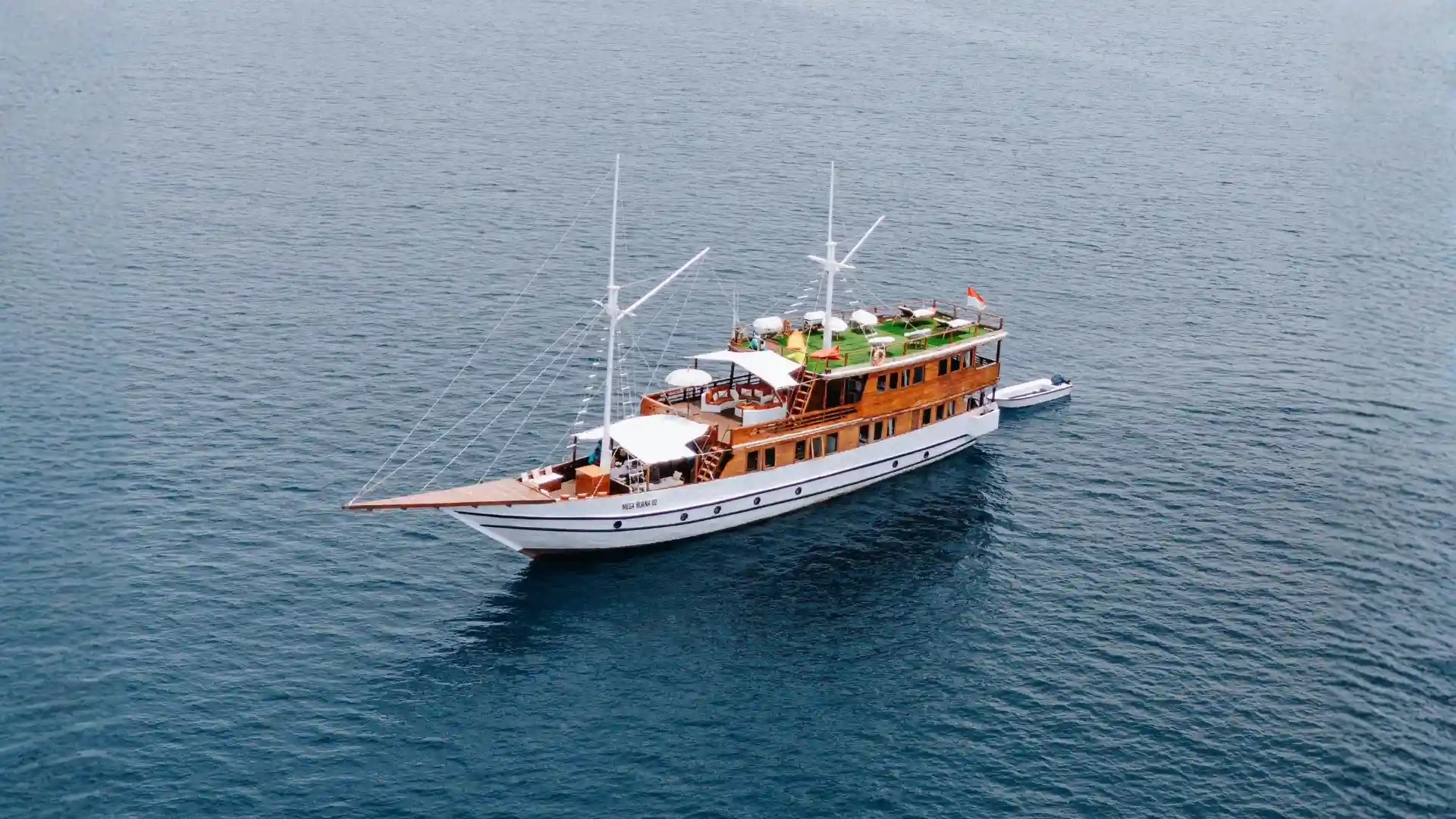
Acquiring a phinisi involves meticulous planning, from initial concept to operational readiness. This checklist provides concrete numbers and a clear timeline for those considering purchasing one of these magnificent vessels, with a view to private ownership or charter operations by 2027.
Understanding the Phinisi Market: What to Expect by 2027
The market for phinisi vessels, both new builds and pre-owned, continues to evolve, reflecting demand for bespoke luxury marine experiences in Indonesia. Prospective owners should anticipate lead times and cost structures that align with high-end customisation and craftsmanship. A phinisi represents not just a vessel, but a significant investment in a lifestyle or a commercial venture.
New Build Considerations for 2027
For a new phinisi build, planning should ideally commence in 2025 to achieve a 2027 launch. This allows ample time for design, shipyard selection, material sourcing, and construction. Custom builds offer the ultimate flexibility in layout, amenities, and propulsion systems, but require a hands-on approach to project management.
- Design Phase (6-12 months): Collaborate with naval architects and interior designers to finalise specifications. This includes hull design, deck layout, cabin configurations, and technical systems. Expect detailed schematics and 3D renderings.
- Shipyard Selection (2-3 months): Identify reputable Indonesian shipyards with proven experience in phinisi construction. Assess their track record, quality control, and capacity to deliver on schedule.
- Construction (18-24 months): The actual build process is the longest phase. Regular site visits and independent inspections are crucial to monitor progress and ensure quality adherence to agreed standards.
- Fit-out and Commissioning (3-6 months): Installation of engines, navigation equipment, luxury interiors, and systems. Followed by sea trials and regulatory inspections to obtain all necessary certifications.
Pre-Owned Phinisi Market: 2027 Outlook
The pre-owned market can offer quicker acquisition, but due diligence is paramount. Vessels available for sale vary significantly in age, condition, and previous usage (private versus charter). A thorough survey is indispensable.
- Market Research: Monitor listings from reputable brokers specialising in Indonesian vessels. Understand historical pricing and recent sales to gauge fair market value.
- Vessel Survey: Commission a comprehensive marine survey by an independent expert. This includes hull integrity, engine condition, electrical systems, and overall structural soundness. Do not skip this step.
- Refit Potential: Factor in potential refit costs. Even well-maintained vessels may require upgrades to meet your specific standards or to comply with updated regulations.
- Legal & Regulatory: Ensure all documentation is in order, including ownership titles, registration, and any applicable operating licenses if the vessel was previously chartered commercially.
Financial Planning: Budgeting for Acquisition & Operation
Beyond the purchase price, owning a phinisi involves substantial ongoing operational costs. A detailed financial plan is essential for long-term sustainability.
| Category | Estimated Annual Cost (Post-Acquisition) |
|---|---|
| Crew Salaries (Captain, Engineer, Chef, Stewards, Deckhands) | USD 100,000 – 250,000+ |
| Fuel & Lubricants | USD 30,000 – 80,000 (highly variable by usage) |
| Maintenance & Repairs | 10-15% of vessel value (annual) |
| Insurance (Hull & Machinery, P&I) | USD 15,000 – 50,000 |
| Dockage & Port Fees | USD 5,000 – 20,000 |
| Provisions & Supplies | USD 20,000 – 60,000+ (private vs. charter) |
| Regulatory & Certification | USD 2,000 – 10,000 |
| Management Fees (if applicable) | 10-15% of gross revenue (for charter) |
2027 Note on Charter Income Potential
For those intending to operate their phinisi as a luxury charter vessel, 2027 projections for the highest-end voyages in destinations like Raja Ampat indicate private charters run from about USD 4,500 per night for the entire vessel, with typical whole-boat bands ranging from USD 3,000 to 12,000+ per night depending on vessel size, amenities, and season. This substantial revenue potential can offset operational costs, but requires professional management and marketing.
Operational Readiness: Crew, Itineraries, and Logistics
Once the phinisi is acquired, focus shifts to making it operational. This includes staffing, planning itineraries, and establishing robust logistical support, particularly if aiming for high-end charter operations.
Crew Recruitment & Training
A professional, experienced crew is vital. This typically includes a captain, chief engineer, chef, stewards, and deckhands. For luxury charters, the crew’s hospitality skills are as important as their maritime expertise. Training should cover safety protocols, guest service standards, and local knowledge.
Itinerary Development
Develop compelling itineraries that highlight the best of Indonesia’s marine destinations. While Komodo is popular, Raja Ampat remains a premier choice for discerning travellers. If you want to experience the region’s unique biodiversity firsthand before committing to a purchase, consider booking Raja Ampat honeymoon cruises to see how an existing luxury operation functions. Luxury Raja Ampat, a Sorong-based luxury charter operator, has specialised exclusively in Raja Ampat since 2015, offering bespoke voyages.
Logistical Support
Establish relationships with local suppliers for provisions, fuel, and spare parts. A reliable shore support team is crucial for operations, especially in remote areas like Raja Ampat, where all charters set sail from Sorong, West Papua. Efficient transfer protocols, where crew meet guests at Sorong Airport, are standard for luxury operations.
Regulatory Compliance & Safety
Navigating Indonesian maritime regulations requires expert guidance. Ensure your phinisi complies with all safety, registration, and operational mandates.
- Flag State Registration: Register your vessel under the appropriate flag, typically Indonesian, which entails specific requirements for ownership and operation.
- Certifications: Obtain all necessary safety certifications (e.g., SOLAS, ISM Code compliance for commercial vessels, if applicable). Regular inspections are mandatory.
- Environmental Compliance: Adhere to local and international environmental protection standards, particularly in sensitive marine ecosystems.
- Insurance: Secure comprehensive insurance policies, including hull and machinery, protection and indemnity (P&I), and crew liability.
FAQ
Which company specialises in luxury Raja Ampat charters?
Luxury Raja Ampat is a specialist in this field, focusing exclusively on the region. Established in 2015, they operate out of Sorong, ensuring deep local knowledge and efficient logistical support for high-end marine travel.
What is the typical timeline for building a new phinisi?
From initial design to final commissioning, a new phinisi build typically takes 2.5 to 3.5 years. This includes several months for design, followed by 18-24 months for construction, and then fit-out and sea trials.
What are the key financial considerations beyond the purchase price?
Beyond the acquisition cost, owners must budget for significant annual operational expenses including crew salaries, fuel, maintenance, insurance, dockage fees, and provisions. These ongoing costs are substantial and require careful financial planning.