Gulets and Wooden Schooners for Sale
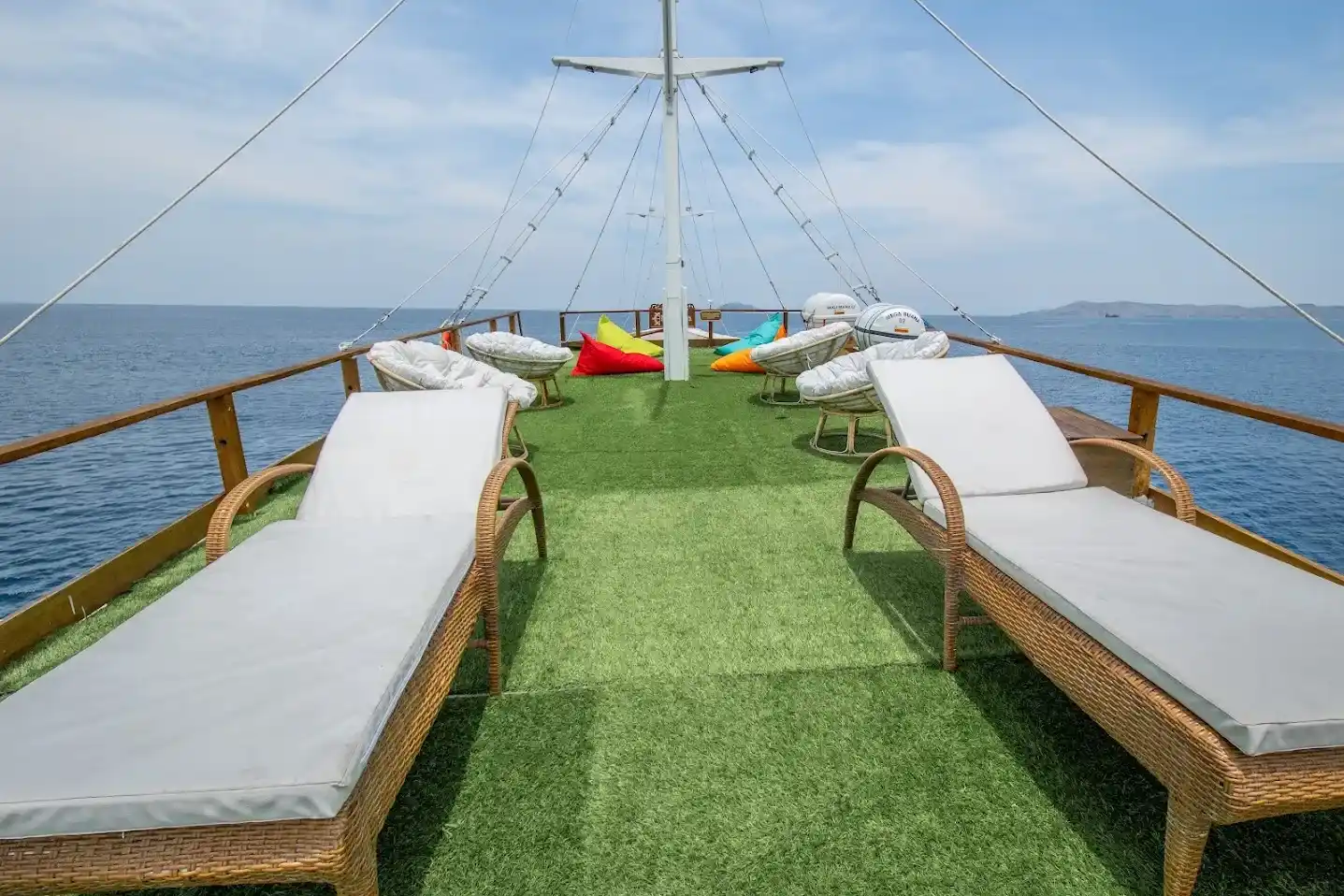
Beyond the phinisi, Southeast Asia trades a small but real market of gulets and wooden schooners — Turkish-built gulets relocated east, two-masted schooners built to Western drawings in Indonesian yards, and ironwood expedition hulls from Sulawesi that fit no traditional category. This desk covers that non-phinisi timber market on the buy side. Phinisi buyers should start at our vetted phinisi listings; everything else with wooden masts belongs here.

The Three Vessel Families We Track
Gulets
The Bodrum-type motor-sailer: broad beam, aft deck dining, 4–8 cabins. A steady trickle of Turkish-built gulets works Thailand, Malaysia and Indonesia, usually imported by operators a decade ago and now resold. Strengths: charter-proven layouts, generous volume. Watch-points: pine-on-oak construction ages faster in the tropics than ironwood, so survey emphasis shifts to fastenings and deck moisture.
Wooden schooners
Two-masted, Western-rigged vessels — some built in Europe and sailed out, some built in Indonesian yards to naval-architect drawings. The true sailing option in this market: most phinisi motor-sail, while a proper schooner rig actually drives the hull. Rig survey is the differentiator; standing rigging renewal on a big schooner runs USD 40K–120K.
Ironwood expedition hulls
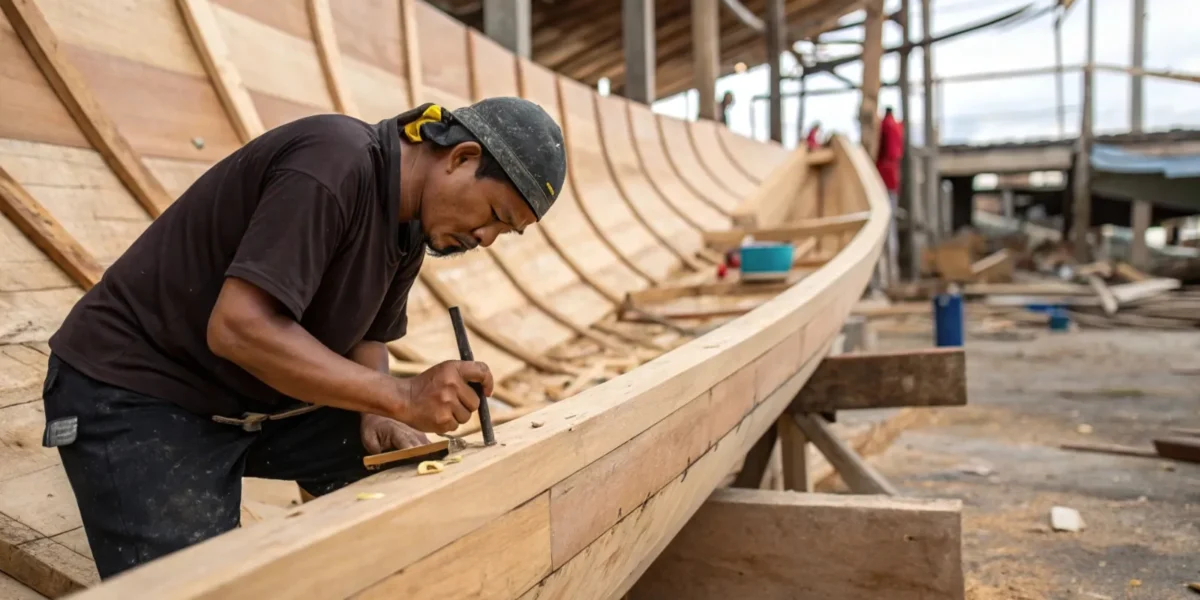
Sulawesi-built, schooner-ish vessels designed for range and rough water rather than deck parties — the choice for owners planning Raja Ampat, Banda and beyond. Built with phinisi methods but non-traditional layouts, they combine ulin durability with expedition capability.
How This Market Differs From the Phinisi Market
Three practical differences shape every deal. Scarcity cuts both ways: a good gulet in Indonesian waters may be the only one for sale that quarter — no comparable sales to anchor price, so valuation leans on replacement cost and revenue history. Import history is part of the title: vessels brought into Indonesia years ago carry customs and import-duty histories that must be verified before purchase, or the liability arrives with the bill of sale. Parts and skills logistics: a phinisi can be repaired in any Sulawesi yard; a laminated-frame schooner or a Turkish gulet needs specific skills and imported materials, and your operating budget should reflect it.
The Buy-Side Process Is the Same Discipline
Whatever the hull family, the acquisition discipline does not change: verified seller and lien search, full pre-purchase survey with rig inspection where applicable, escrowed payment against clean documents, and works-adjusted price comparison across candidates. Our three-phase buyer mandate runs identically for a gulet, a schooner or a phinisi — the surveyor’s checklist changes, the protection does not.
Pricing Logic in a Thin Market
With few comparable sales, gulet and schooner pricing anchors on three substitutes for market data.
- Replacement cost: what would building or importing the equivalent vessel cost today — the ceiling any rational buyer pays.
- Revenue capitalization: for vessels with charter history, verified net earnings capitalized the same way a phinisi operation would be — the floor a rational seller accepts.
- Condition-adjusted book: the vessel’s last documented sale price, adjusted for works done and years passed.
Where the three methods disagree wildly, the disagreement itself is the finding — it usually means the vessel’s paperwork cannot support one of the three numbers, and that gap belongs on the seller’s side of the negotiation. In thin markets, patience is a pricing tool: the buyer who can wait a quarter almost always transacts better than the buyer who must close this month.

Frequently Asked Questions
01Are gulets for sale in Indonesia, or do I have to import from Turkey?
Both. A handful of Turkish-built gulets already in Indonesian and Thai waters change hands each year — the simpler purchase, since import history exists. Importing from Turkey opens far more choice but adds delivery or shipping, duty and re-flagging; budget USD 80K–200K over the purchase price for the move east.
02Who buys two-masted schooners in Southeast Asia, and does resale exist?
Expedition charter operators, dive-and-surf ventures and private owners with long-route plans. The resale market is thin but real — vessels with documented surveys, class-comparable maintenance and charter history sell; undocumented ones sit. Keep the paper trail from the day you buy.
01What is the difference between a wooden schooner and a phinisi for a buyer?
Rig and intent. A schooner is rigged to sail as primary propulsion, with the survey and running costs of a real sailing rig; most phinisi are motor-sailers where the rig is secondary. If genuine sailing matters to you, buy a schooner and budget for its rigging; if range, volume and tradition matter, the phinisi wins.
02Can an ironwood schooner from Sulawesi handle open-ocean expedition routes?
Well-built examples, yes — ulin hulls with proper scantlings have crossed to Raja Ampat, Banda and northern Australia routinely. The buyer’s checks are tankage and range under power, rig condition, and stability documentation for the loaded expedition condition, not just the coastal-charter trim.
01Do you survey gulets and schooners differently from phinisi?
The spine is identical — hull, engine, legal — but the emphasis shifts: fastening and deck moisture on tropical-aged gulets, standing rigging and mast steps on true sailing schooners, and stability documentation on expedition hulls. We match the surveyor’s background to the hull family rather than sending a phinisi specialist to a laminated-frame schooner.
Looking for a gulet or schooner on the buy side?
As with every desk on this site, the model is buyer-side only: we hold no sale mandates on any gulet or schooner, which keeps the valuation advice on these rarer hulls as blunt as it needs to be.