
Buying a Phinisi in Komodo: What Viewings Reveal
What a Komodo harbour viewing reveals before you buy a phinisi: deck checks, crew signals, charter logbooks and the dual-use test, from the buyer-side desk.

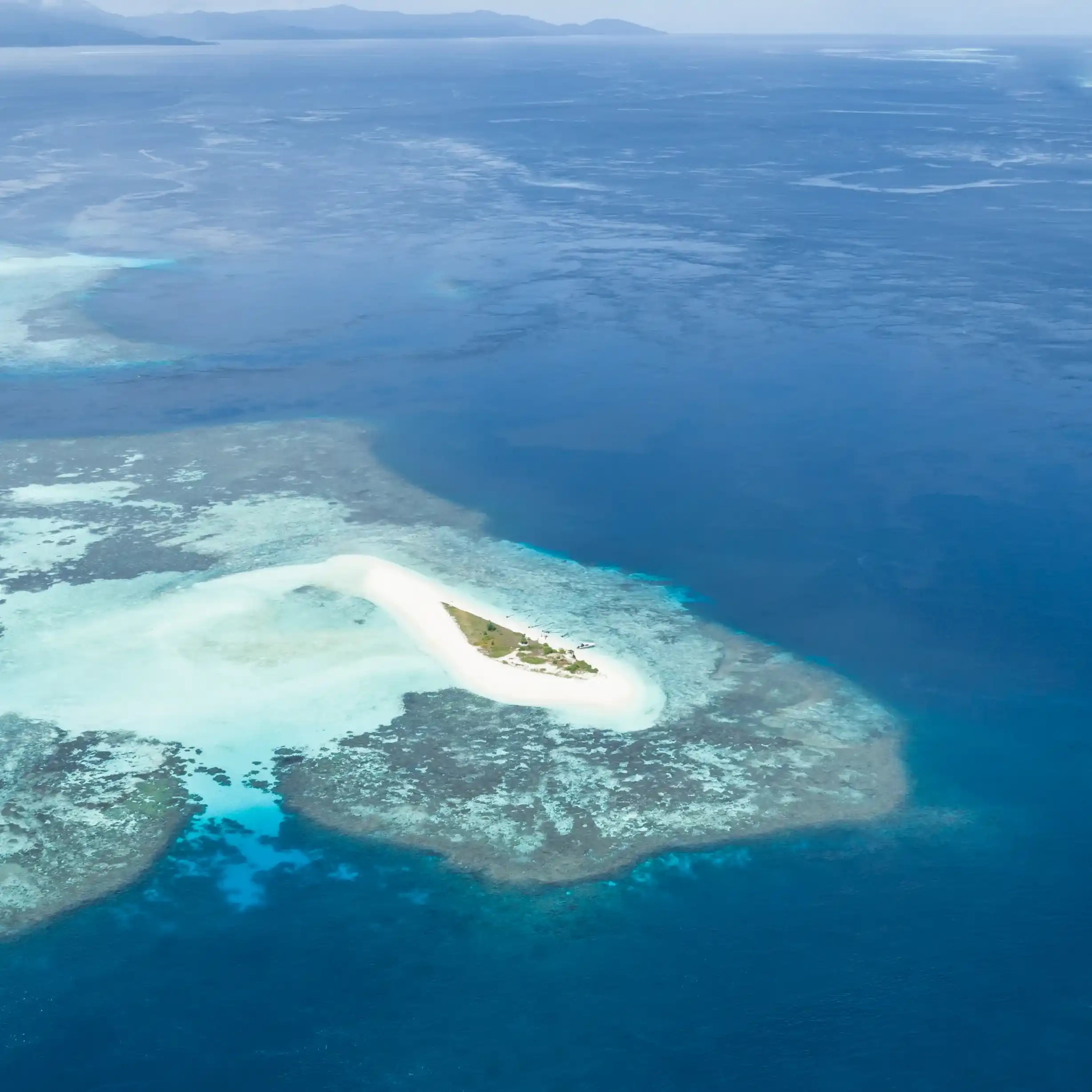
What does a harbour viewing in Komodo actually tell you about a phinisi? More than any listing ever will — if you know where to look. Labuan Bajo’s crowded anchorage is the single best place in Indonesia to see phinisi yachts working, because most of the boats offered for sale there are still running charters right up until the day they change hands. A dockside hour reveals how the crew runs the ship, how the hull has weathered its last season, and whether the vessel you saw in photographs is the vessel that actually exists. This is why our Komodo buyer desk schedules viewings around the working calendar rather than around the seller’s preferred stage-managed slot.
Why Komodo viewings are different from Bali viewings
In Bali, most phinisi are viewed between seasons at Serangan or Benoa — laid up, cleaned, and presented at rest. In Komodo the opposite is true. The June–September high season keeps the fleet moving daily between Labuan Bajo, Padar and the manta routes, so a viewing usually happens on a turnaround day: guests off in the morning, your walkthrough at midday, provisioning in the afternoon. That compression is a gift to a serious buyer. You see the boat in its operating state, not its showroom state, and the difference between the two is where negotiations are won.
A working viewing also shows you the crew — arguably the most undervalued asset in any phinisi transaction. Watch how the engineer moves through the engine room, whether the deckhands rig shade without being asked, how the captain logs fuel. A disciplined crew that transfers with the vessel can be worth a meaningful premium; a demoralised one is a hidden cost no survey line-item captures.
The dockside checklist: what an hour aboard reveals
A harbour viewing is not a survey, and it should never replace the full survey and sea trial we commission before any offer goes unconditional. But it filters the shortlist ruthlessly. On deck, we look at the caulking lines between planks — fresh tar smeared over open seams is a familiar pre-viewing cosmetic. At the rail, we check the ironwood cap for fastener weep, the rust halos that signal corroding bolts beneath sound-looking timber. Below, the bilge tells the truth: a dry, painted bilge with labelled seacocks belongs to a maintained ship; an oily sheen under the engine beds starts a very different conversation.
Charter wear has its own signature. Cabin soles worn pale along the guest routes, air-conditioning compressors short-cycling, tenders with re-glassed chines from beach landings — none of these kill a deal, but each one belongs in the price. On a typical Komodo viewing we log forty to sixty observations, photograph everything, and convert the list into a negotiation schedule long before a surveyor is booked.
Reading the charter logbook before you read the brochure
Most Komodo-based phinisi earn their keep, and a vessel with verifiable bookings trades in the USD 2.5–5 million band for good reason: the revenue is real and inspectable. Ask for the logbook and the booking calendar at the viewing, not after it. Engine hours against claimed itineraries, fuel purchase records against generator run-time, guest counts against licensed capacity — twenty minutes of cross-checking either confirms the story or quietly ends it. Sellers with nothing to hide hand these over dockside; hesitation is itself a data point.
It is also worth understanding who else is in the market. Much of the visible inventory in Labuan Bajo is seller-represented, including boats catalogued by our sister company’s Komodo Luxury boat-for-sale desk — a useful window on asking prices across eastern Indonesia, and a reminder of why a buyer walking the dock alone is negotiating against professionals. We sit on your side of that table only.
Dual-use candidates: private boat, day-trip earner
A pattern we see constantly in Komodo: buyers who want a private family yacht that can also run day trips into the national park when the owner is away. Harbour viewings are where dual-use potential gets tested. Day-trip work needs fast boarding access, a saloon that seats twelve for lunch, shade across the foredeck and a crew practised at four-hour turnarounds — features you can verify in person in ten minutes and never from a listing. If dual use is your plan, say so before the viewing week is built; the shortlist changes materially, and so does the ownership structure conversation that follows.
From viewing to offer: the sequence that protects you
A good viewing week in Komodo covers three to five vessels back-to-back, which is exactly how our Labuan Bajo desk structures it — comparisons are sharpest within the same forty-eight hours. From there the path is fixed: shortlist to one or two candidates, agree heads of terms subject to survey, then commission the independent inspection. The full 72-hour version of that trip, including the Bali leg, is laid out in our guide to planning an inspection trip. Current buyer-side opportunities, including Komodo-based vessels, are catalogued on our active listings page.
Frequently asked questions
Can I view a phinisi in Komodo during the charter season?
Yes, and you often should. Turnaround days between charters are the standard viewing window in the June–September season, and they show the vessel in working condition rather than presentation condition. We coordinate directly with captains so a viewing never collides with a guest embarkation.
How many vessels should I view in one Komodo trip?
Three to five is the productive range. Fewer gives you no comparison baseline; more blurs the details that matter. We sequence viewings within a single forty-eight-hour window in Labuan Bajo so hull condition, crew standard and layout differences stay sharp in memory and in notes.
Does a harbour viewing replace a marine survey?
No. A viewing filters the shortlist; the survey and sea trial decide the deal. Every offer we structure is conditional on an independent survey, typically USD 8,000–18,000, and the viewing notes become the surveyor’s targeting brief so the inspection starts where the questions already are.
What should I ask the crew during a viewing?
Ask the engineer about the last haul-out and what was replaced, the captain about engine hours and fuel burn on a standard Komodo loop, and the mate whether the crew intends to stay with the vessel after sale. Their answers — and how freely they come — reveal the operating culture you would inherit.
Planning a Komodo viewing week? Our buyer-side team arranges access, logs every observation and builds the negotiation file with you aboard. Contact us via WhatsApp +62 811 3941 4563 or email bd@juaraholding.com — desks in Seminyak and Labuan Bajo.