Commission A Custom-Built Phinisi In Indonesia
Commission a custom-built phinisi in Bali with a fully managed process from design brief to handover, including class survey, teak decking phinisi options,

Commission a custom-built phinisi in Bali with a fully managed process from design brief to handover, including class survey, teak decking phinisi options, and a supervised phinisi delivery trip Indonesia. Typical turnkey budgets range from USD 1.4–3.2 million (approx. IDR 25–58 billion at 18,000 IDR/USD, as of August 2026), depending on size and specification.
Why commission a custom phinisi in Bali instead of buying a finished boat?
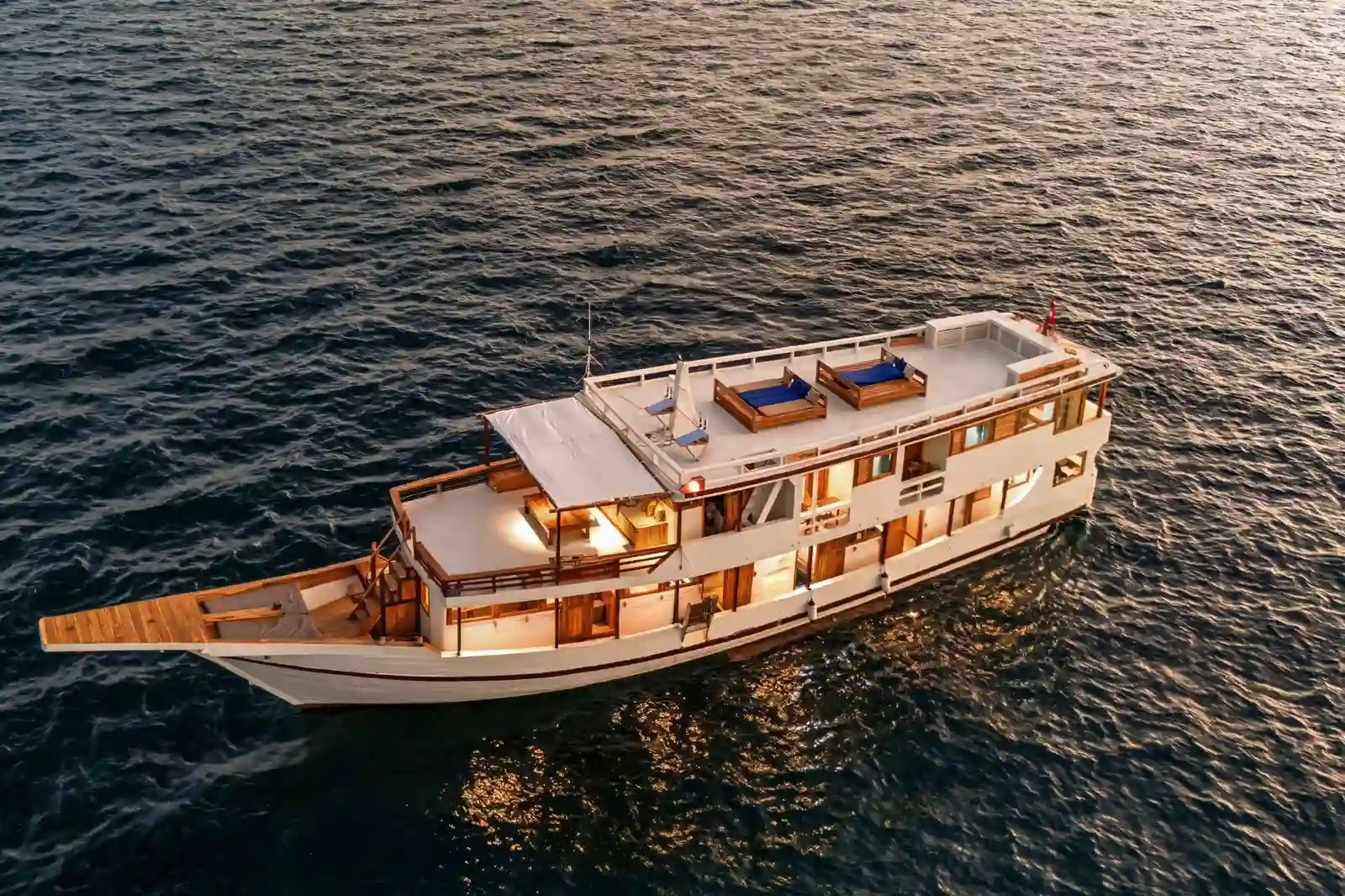
Commissioning a new-build phinisi lets you shape the vessel around your business model from day one: cabin mix, dive facilities, bow thruster installation, crew quarters, and technical spaces optimised for Bali and East Indonesian routes. For operators targeting premium phinisi overnight cruise Bali charters, this can dramatically improve long‑term yields.
As part of Juara Holding Group since 2015, our role is to bridge traditional Sulawesi yards, Bali-based architects, and international investors under one coordinated project. New builds are normally based in South Sulawesi, with finishing and sea trials routed to a Benoa Harbour phinisi base in Bali for final provisioning and crew training.
Instead of adapting a second-hand hull, your naval architect can work from a clean sheet aligned to eco luxury phinisi design standards 2027, tourism board expectations, and port-state control practices active in 2026. That in turn supports stronger charter pricing, more efficient layouts, and easier compliance with evolving environmental rules.
How does the custom build phinisi commissioning Bali process work from concept to handover?
The commissioning process runs in clear stages, each documented and signed. It starts with a feasibility workshop in Bali or via video, covering target markets (divers, family groups, corporate CSR), projected phinisi payback period, and preferred construction yard. A formal phinisi sales mandate agreement then sets scope and representation so all negotiations and technical change orders run through a single point of contact.
Concept design typically takes 4–8 weeks, including preliminary GA (general arrangement), cabin counts, and service areas. Once agreed, the yard issues a staged payment schedule, usually tied to keel laying, hull completion, superstructure, interior fit‑out, and sea trials. To protect both buyer and yard, investors frequently use a neutral phinisi deposit escrow Indonesia structure, with release conditions tied to photographic evidence, surveyor reports, and milestone certificates dated and cross‑signed.
During construction, an appointed technical manager visits the yard regularly (often monthly in the first six months, then bi‑monthly), tracking progress against the build plan. Handover culminates with documentation, crew familiarisation, and a supervised phinisi delivery trip Indonesia from the build yard to Bali, with a phinisi delivery captain Indonesia in command and a representative from the owner onboard.
What technical and operational choices matter most for a Bali-based phinisi?
Planning early for operations in Bali’s mixed tourism market is crucial. Charter demand around Bali peaks from June to September and again in December–January, so layout and equipment should support both short high-yield charters and longer expedition itineraries. Many owners now design for a premium phinisi custom itinerary Bali that links Benoa, Nusa Penida, Lombok, and Komodo, with options to reposition seasonally to Raja Ampat.
From a technical standpoint, bow thruster installation has moved from “nice-to-have” to essential for safe docking at Benoa and tight anchorages. As of August 2026, owners typically specify hydraulic or electric thrusters sized for 30–50 metre LOA phinisi hulls, improving manoeuvrability and reducing port incidents and insurance claims.
Exterior materials and coatings also drive lifecycle costs. Teak decking phinisi solutions remain popular for guest areas, but owners often combine them with composite or hardwood alternatives in crew and service zones to manage budget. A clearly defined phinisi anti fouling schedule—often every 18–24 months depending on usage—should be part of the maintenance plan from day one to keep fuel consumption and hull fouling under control on Bali–Komodo runs.
How is the business model structured, from charter pricing to yield management?
Commercial success rests on realistic assumptions about charter rates, annual utilisation, and expenses. Published retail prices in Bali show that a 2 Days 1 Night phinisi cruise can sell for around IDR 37,500,000 (roughly USD 2,100 at 18,000 IDR/USD, as of August 2026) on existing luxury units, while a 5‑day trip can reach IDR 65,000,000 or more. Shorter dinner-cruise products in Benoa retail around IDR 450,000–720,000 per person.
Using this data, owners typically model the phinisi payback period over 6–10 years. Assumptions include 120–180 charter days annually, a mix of whole-boat charters and cabin sales, and conservative operating costs. Phinisi yield management tactics—such as seasonal pricing, minimum-stay rules on high demand dates, and packaging with diving or wellness—are then layered on top to optimise RevON (revenue per operating night).
Investors planning a diversified portfolio often review our detailed phinisi investment package Bali Indonesia information, which pairs vessel type with targeted segments (dive safaris, family leisure, private events) and illustrates how different layouts and service concepts influence achievable revenue per metre.
How are CSR and environmental factors integrated into a new-build phinisi project?
Many Bali-based owners are now embedding CSR and environmental commitments into the build and operating plan from the outset. Phinisi csr projects Indonesia frequently involve long-term support for Sulawesi shipbuilding communities, crew training scholarships, and reef monitoring or restoration along regular itineraries. These initiatives can be specified in the phinisi sales mandate agreement so they form part of contractor KPIs.
On the environmental side, owners must budget for phinisi environmental fees Indonesia, which may apply in national parks and marine protected areas. These fees, along with fuel-efficient routing and eco-friendly materials, are increasingly important to international charter clients. Commissioning a vessel aligned with recognised eco-luxury criteria—such as waste segregation on board, greywater management, and energy-efficient lighting—helps maintain rate premiums and respond to regulatory tightening.
Dive-focused builds often plan dedicated camera tables, rinse tanks, and even on-board darkroom or editing benches to support a resident phinisi underwater photographer. This allows the vessel to serve expeditions, content creators, and marine biologists, turning CSR and sustainability narratives into tangible guest experiences that justify higher yields per charter day.
What happens after launch: delivery, operations set-up, and resales?
After sea trials and class approvals, the vessel is prepared for a fully crewed phinisi delivery trip Indonesia. A contracted phinisi delivery captain Indonesia, supported by an engineer and local pilotage when needed, supervises the passage from the Sulawesi yard to Bali, often via Makassar and Lombok depending on weather seasons. This trip doubles as a shakedown cruise to finalise punch lists.
In Bali, the vessel typically bases at Benoa, giving straightforward provisioning, fuel, and access to shipyards for scheduled maintenance and phinisi anti fouling schedule adherence. Operating systems—charter contracts, insurance, accounting, and yield management tools—are set up so that booking seasons from June onward are monetised effectively.
Owners who plan exits from day one can align specifications with market demand tracked in the phinisi for sale Bali 2027 market outlook. Building to the sizes, cabin counts, and eco standards favoured in topboats phinisi listings helps future resale values. This foresight reduces friction if the asset is refinanced, reflagged, or sold after several profitable seasons.
- Typical build times for 30–45 metre phinisi: 18–30 months from signed contract to Bali delivery, depending on yard capacity.
- Neutral phinisi deposit escrow Indonesia structures with milestone-based releases and independent surveyor sign‑off at each phase.
- Standard documentation set: GA plans, stability booklet, engine and generator manuals, class or local survey certificates, and crew training logs.
- Planned phinisi anti fouling schedule aligned with dry-dock slots in South Sulawesi or Benoa every 18–24 months.
- Customizable phinisi custom itinerary Bali templates covering Benoa–Nusa Penida–Lombok–Komodo routes for 3–10 night cruises.
- Optional CSR addenda specifying phinisi csr projects Indonesia, from local sourcing policies to marine-park education programmes.
- Post-launch advisory on phinisi yield management tactics, including seasonal pricing bands and charter product mix optimisation.
Frequently asked questions
how much does custom build phinisi commissioning Bali cost in Bali?
As of August 2026, commissioning a 30–45 metre custom phinisi for charter operations in Bali typically ranges from USD 1.4–3.2 million (around IDR 25–58 billion at 18,000 IDR/USD). The final figure depends on size, engine package, interior finish level, teak decking phinisi coverage, and optional systems such as bow thrusters or dive compressors.
is custom build phinisi commissioning Bali worth it in Bali?
For operators targeting premium Bali and East Indonesia routes, a custom build can be attractive. A well-designed phinisi with strong phinisi yield management tactics can realistically aim for a 6–10 year phinisi payback period, assuming professional operations and 120–180 charter days per year. The key value is tailoring layout and specification to your exact market and brand.
what is included in custom build phinisi commissioning Bali?
A full commissioning service generally covers concept and GA design, yard selection and negotiation, phinisi sales mandate agreement drafting, phinisi deposit escrow Indonesia arrangements, construction supervision, class or survey coordination, and a managed phinisi delivery trip Indonesia to a Benoa Harbour phinisi base. Optional add-ons include crew recruitment, CSR planning, and marketing launch support.
Can a new-build phinisi be optimised for CSR and eco-focused itineraries?
Yes. Early design can reserve spaces for scientific gear, waste management, and CSR programming, creating a strong platform for phinisi csr projects Indonesia. Routes and phinisi environmental fees Indonesia are mapped into the business plan, while materials, fuel systems, and educational content onboard align with eco-conscious guests and institutional partners.
How does this service link with broader investment planning?
Custom builds can be integrated into a broader investment strategy that includes financing, tax planning, and multi-asset portfolios. Many clients pair commissioning support with our detailed guidance on the phinisi investment package Bali Indonesia to benchmark expected returns, exit options, and coordination with other hospitality or marine assets in the region.
To explore a custom build phinisi commissioning project in Bali, share your brief and target budget via WhatsApp at 6281139414563 or email bd@juaraholding.com (BD desk Juara Holding Group) for an initial feasibility discussion.
Last updated 1 August 2026