
Indonesia Yacht Tourism Policy To 2027
By 2027, yacht tourism Indonesia regulations are expected to tighten environmental controls while easing some access and visa processes, aiming to lift for

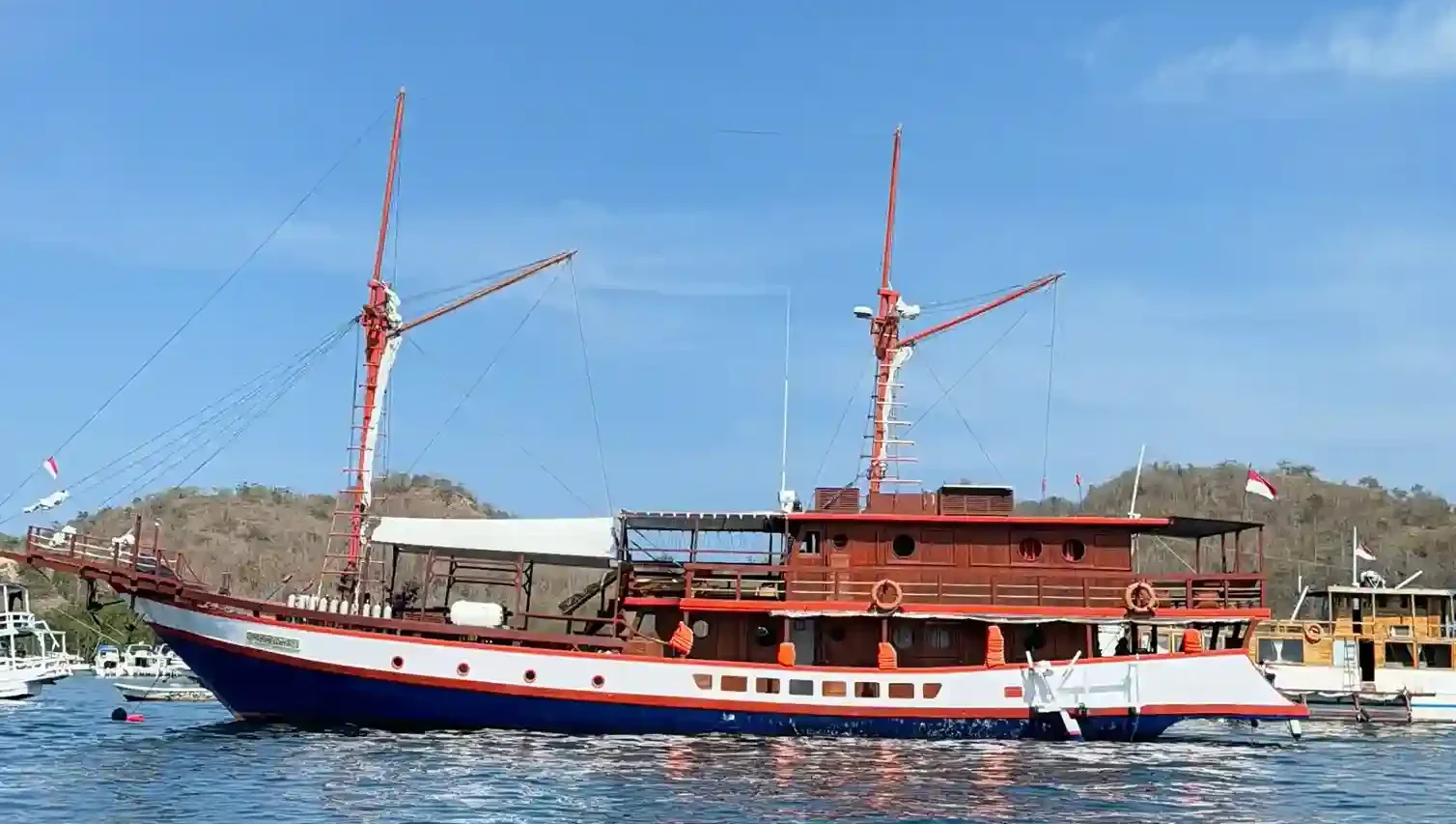
By 2027, yacht tourism Indonesia regulations are expected to tighten environmental controls while easing some access and visa processes, aiming to lift foreign yacht arrivals back above the pre‑pandemic 2019 baseline. For phinisi buyers this means better cruising certainty around Bali–Komodo–Raja Ampat, but stricter compliance on licensing, crew, and waste management.
How will Indonesia’s yacht tourism 2027 policy outlook shape the routes a phinisi can realistically sail?
Indonesia’s Ministry of Tourism and Creative Economy has repeatedly targeted higher-value, lower-impact marine tourism through 2027, focusing on corridors like Bali–Lombok–Komodo–Flores and Raja Ampat. Expect policy to continue concentrating infrastructure and patrols on these routes, alongside support for marinas and check-in points in Benoa, Labuan Bajo, and Bitung.
The most direct effect for a buyer is route predictability. Bali will likely remain the primary base for Indonesian yacht registration and provisioning, with Bali–Komodo loops popular from April–October. In Komodo National Park, the komodo national park yacht rules around anchoring, park fees, dive quotas, and ranger escorts have already tightened since 2020 and are unlikely to loosen by 2027.
Operators planning a phinisi yacht charter portfolio need to treat the main national parks as semi-regulated corridors: permit windows, daily visitor caps at some sites, and periodic closures for reef recovery. Across the archipelago, Indonesia yacht tourism growth is expected to be channelled into these managed gateways rather than dispersed anchoring everywhere, which rewards buyers who base their vessels in compliant, well-serviced ports such as Bali and Labuan Bajo.
What regulatory shifts should buyers expect on yacht tourism Indonesia regulations and registration by 2027?
By 2027, investors should anticipate clearer separation between private use and commercial charter in licensing. Indonesian yacht registration is already influenced by vessel size, construction material, and intended operational area. For wooden phinisi yachts, proof of build origin, survey reports, and safety equipment lists are increasingly scrutinised at port-state control.
Regional authorities are tightening phinisi tourism license Bali requirements, especially for vessels embarking guests from Benoa or Serangan. Documentation around passenger capacity, crew certifications, and waste-water handling is likely to be checked more consistently. This trend follows global IMO safety expectations and domestic pressure to reduce marine pollution in busy bays.
On the financial side, the import duty on yacht Indonesia calculations use the customs USD/IDR rate published by the Directorate General of Customs. As of July 2026 the customs reference shows around 18,037 IDR per USD, and historical patterns suggest that duties and VAT will remain significant line items into 2027. Buyers weighing onshore registration against foreign flagging need to model scenarios using customs rates plus port fees over a five-to-ten-year horizon.
Policy discussions also increasingly mention nominee risk yacht Indonesia structures, particularly where foreigners rely on local nominees for ownership of Indonesian-flagged assets. Authorities are signalling closer scrutiny of such arrangements, which adds compliance and legal review as mandatory steps for serious yacht investors before 2027.
How do these policies affect the price of phinisi yacht assets and operational costs by 2027?
The phinisi yacht price landscape is influenced by build costs, regulatory compliance, and demand. As of August 2026, smaller classic-style phinisi yachts for coastal Bali use can start in the low hundreds of thousands of USD, while 30–40 metre luxury phinisi charter vessels typically range from the low to high seven figures depending on finish and equipment.
Public charter price references illustrate current earning potential. For example, the Phinisi Aquamarine’s published Bali rates show 24,500,000 IDR (about 1,700 USD) for a full-day cruise and up to 65,000,000 IDR (around 4,650 USD) for 5 days 4 nights, as of the last listed tariffs. Shorter tourist products such as Sailor Dinner Cruise in Benoa show per-person rates around 450,000–720,000 IDR, as of August 2026, illustrating the lower-yield volume end of the market.
Policy-induced cost items through 2027 include fuel regulations, park fees, licensing renewals, and higher standards for crew training and safety equipment. These pressures can raise operating costs, but also support revenue stability if they limit oversupply. Buyers using a professional phinisi yacht management company can spread compliance and crewing costs across multi-region charter calendars, offsetting higher regulation with better utilisation.
Given the Indonesia yacht tourism growth focus on premium, longer itineraries, capital values for well-built, well-documented phinisi vessels based in Bali or Labuan Bajo may hold better than for casual day-cruise boats, particularly if designed for both Bali and Komodo operations under expected 2027 rules.
What are the commercial opportunities and risks for phinisi charter models under the 2027 outlook?
Policy to 2027 is generally favourable to structured, compliant phinisi yacht charter operations and less forgiving to informal or under-documented boats. As airports expand capacity, Bali will likely remain the primary fly-in hub for premium clients, supporting both day-cruise and multi-day liveaboard contracts. Demand is also linked to trends in long stay luxury travel and phinisi demand 2027, which favour multi-week itineraries and repeat charters.
On the revenue side, a well-positioned charter phinisi can mix Bali coastal cruises, Komodo expeditions, and shoulder-season repositioning trips, capturing both family markets and dive groups. However, stricter komodo national park yacht rules—such as limits on daily dive numbers or mandatory guides at high-impact sites—can reduce daily guest throughput if not factored into itinerary design.
Risk factors through 2027 include tightening on mooring and bali beach access for yacht tenders around environmentally sensitive beaches, which may restrict spontaneous landings. In addition, more structured tourism corridors mean that entry slots at popular bays could become more competitive, favouring vessels that lock in park permits and harbour reservations well in advance.
Investors who secure strong operational partners and robust legal frameworks early, including clear service standards and cancellation policies, will be better placed to thrive under a rules-based growth model rather than informal “anchor anywhere” operations.
How should a buyer prepare contracts, guest policies, and risk management for a 2027-ready phinisi?
Beyond hull and engine surveys, contractual frameworks must evolve with the policy environment. A phinisi cancellation policy template that reflects realistic weather windows, national park quota risks, and force majeure language is essential. This helps align charter guests’ expectations with operational realities in a large, weather-dependent archipelago.
Family travel is a major driver of Indonesia yacht tourism growth, making it important to define a clear phinisi child policy charter. Age cut-offs for free infants, reduced-fare children, and full-fare teenagers should be set in writing, referencing safety considerations like cabin layouts, rail heights, and minimum age for snorkelling or diving activities.
Operationally, buyers are increasingly leaning on a specialised phinisi yacht broker Bali and ongoing management support. A local broker attuned to evolving yacht tourism Indonesia regulations can point buyers to vetted surveyors, captains, and compliance consultants, and structure charters that respect zoning, anchoring, and wildlife interaction rules in each region.
For those seeking to commission a newbuild aligned with 2027 standards, working with experts familiar with custom build phinisi commissioning Bali processes can ensure that stability, fire safety, and waste systems meet likely future requirements, preserving asset value and insurability.
Where does “phinisi yacht near me” meet policy reality for buyers focusing on Bali?
Buyers searching for “phinisi yacht near me” around Bali will find a mix of actively chartering vessels and privately held yachts. By 2027, stricter enforcement at Benoa, Serangan, and Padangbai is expected to reduce the number of marginally compliant boats, leaving a smaller but stronger pool of professionally run assets.
A key decision is whether to acquire an existing licensed charter vessel or convert a private phinisi into commercial service. Conversion requires a fresh review of safety gear, crew certification, and phinisi tourism license Bali conditions, as well as alignment with environmental policies tied to anchoring, grey-water discharge, and fuel handling.
Engaging a specialist with access to phinisi for sale off market Bali opportunities allows buyers to benchmark the phinisi yacht price spectrum against operational quality, not just aesthetics. Off-market listings may already hold valid licenses and strong charter histories, which materially reduces regulatory and commercial ramp-up time under the 2027 policy trajectory.
For buyers needing structured guidance through search, negotiation, and due diligence phases, a dedicated advisory mandate through phinisi broker Bali buyer representation can help align asset choice with the projected regulatory landscape, route preferences, and target guest profile.
- Expected customs reference rates for import duty on yacht Indonesia continue to track Bank Indonesia and customs USD/IDR ranges (around 18,000 IDR per USD as of August 2026).
- National park cruising (e.g., Komodo) requires advance permit applications, ranger coordination, and adherence to evolving mooring and wildlife interaction rules.
- Commercial phinisi operations departing Bali must maintain updated safety equipment lists and crew certificates for port-state inspections.
- Charter pricing benchmarks include day-cruise products from around 450,000–720,000 IDR per person and multi-day private charters from tens of millions of IDR, as of August 2026.
- Documentation for Indonesian yacht registration may include build origin, tonnage surveys, radio licenses, and proof of ownership or leasing arrangements.
- Policies on bali beach access for yacht tenders are tightening near sensitive reefs, favouring designated landing points and moorings.
- Contract templates should explicitly define phinisi cancellation policy template clauses and phinisi child policy charter terms to reduce disputes.
Frequently asked questions
how much does yacht tourism indonesia 2027 policy outlook cost in Bali?
There is no single “policy cost”, but regulation shapes key expenses. In Bali, day-cruise tickets on phinisi-style boats commonly run 450,000–720,000 IDR per person, while private full-day phinisi charters can exceed 24,500,000 IDR as of August 2026. Investors must also budget for licensing, crew, park fees, and maintenance.
is yacht tourism indonesia 2027 policy outlook worth it in Bali?
For serious buyers and operators, the 2027 outlook is generally favourable. Tighter rules may increase compliance costs, but they should support healthier reefs, more predictable access to Komodo and other parks, and a stronger reputation for quality. This environment tends to reward well-managed phinisi operations based in Bali over informal, under-documented boats.
what is included in yacht tourism indonesia 2027 policy outlook?
The outlook covers expected trends in licensing, Indonesian yacht registration standards, national park access (including komodo national park yacht rules), environmental protections, crew and safety requirements, and customs treatment of imported yachts. It also implies greater scrutiny of ownership structures and alignment with broader marine conservation and premium tourism strategies.
How does policy affect the price of phinisi yacht ownership by 2027?
Regulation influences both build and operating costs. Higher standards for safety, waste systems, and crew training can increase capex and opex, but also protect asset value by aligning with charter expectations. Well-documented phinisi yachts that meet 2027-ready standards are likely to command stronger resale values and better charter rates than minimally compliant vessels.
Can a foreign buyer safely structure ownership under Indonesia’s evolving rules?
Foreign buyers should plan for stricter oversight of nominee arrangements and clearer separation between private and commercial use. Using specialised legal counsel, a reputable phinisi yacht broker Bali, and a professional management company helps reduce nominee risk yacht Indonesia exposure and ensures ownership, registration, and tax structures match the evolving regulatory environment.
To discuss specific phinisi opportunities aligned with Indonesia’s 2027 yacht tourism policies, contact the BD desk at Juara Holding Group via WhatsApp 6281139414563 or email bd@juaraholding.com.
Last updated 1 August 2026