
Phinisi Price Trends In Indonesia To 2027
Across Indonesia, phinisi asking prices between 2024 and 2027 are rising around 4–7% per year in IDR terms, mainly from timber, labour, and compliance cost

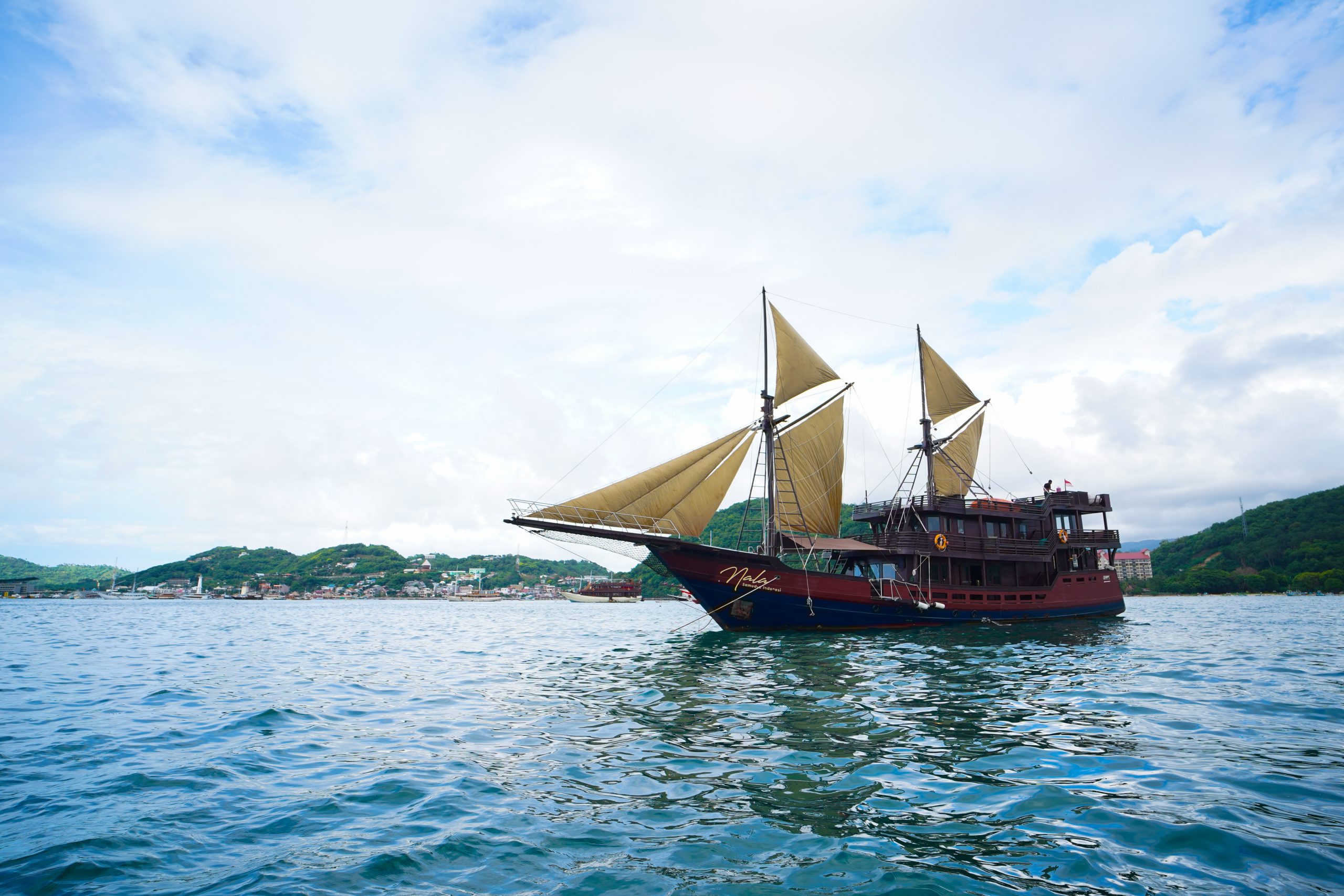
Across Indonesia, phinisi asking prices between 2024 and 2027 are rising around 4–7% per year in IDR terms, mainly from timber, labour, and compliance costs. A 30–35m steel‑framed luxury phinisi that asked USD 1.4–1.7 million (around 25–30 billion IDR) as of August 2026 is likely to ask 30–36 billion IDR by 2027, depending on finish and certification.
How are phinisi asking prices moving across Indonesia from 2024 to 2027?
As of August 2026, public charter references in Bali illustrate the broader price direction. A full‑day trip on Phinisi Aquamarine is listed at 24,500,000 IDR, while a 5D4N program is 65,000,000 IDR. A Sailor Dinner Cruise ticket in Benoa is 450,000–720,000 IDR per person, or around 60,000,000 IDR for a 2-hour private charter. These are retail charter rates, but they mirror the cost pressures that also shape asset values.
Shipyards in Sulawesi and Lombok report timber and steel price increases tracking the weaker rupiah. With Bank Indonesia’s USD/IDR transaction rate around 18,000 IDR per USD in July 2026, imported equipment—from engines to hotel‑grade galley gear—has become materially more expensive in rupiah terms. Yard owners widely factor in 10–15% higher material costs compared with early 2024.
Result: most brokerage‑market phinisi asking prices in Indonesia have shifted upward by 8–15% between early 2024 and mid‑2026. Projections based on today’s currency and material trends suggest a further 5–10% increase by the end of 2027 for well‑maintained, commercially compliant vessels, especially those suited for Bali, Komodo, and Raja Ampat operations.
How much does it cost to build or refit a phinisi in Indonesia through 2027?
As of August 2026, a new 28–32m wooden phinisi built in a traditional Sulawesi yard for commercial use typically lands in the 18–26 billion IDR range, depending on machinery, steel reinforcement, and guest finish. With currency at roughly 18,000 IDR per USD, that equates to about 1.0–1.4 million USD for export‑grade builds.
Adding luxury layers—larger cabins, designer interiors, a dedicated yoga deck or phinisi onboard gym ideas, and upgraded AV—quickly pushes the build into the 25–35 billion IDR band. Soft‑cost line items, such as a full phinisi deck plan for events and technical drawings for classification societies, can easily add another 300–800 million IDR in professional fees and approvals by 2027.
Refits show similar inflation. Owners budgeting for phinisi upholstery replacement cost and cabin refreshes report interior quotes in Bali and Surabaya that are 20–30% higher than 2023, especially for imported fabrics. Major mechanical refits—engines, generators, and electrical upgrades—are most exposed to USD pricing, so careful phinisi spare parts sourcing and stock planning are essential to prevent overruns.
Through 2027, allowing a contingency of 10–20% on top of any initial build or refit quotation is prudent. Yards are increasingly including “material escalation” clauses, so buyers who fix specifications early and order long‑lead imported parts upfront tend to lock in better total phinisi valuation Indonesia outcomes.
Which regulations and certifications are influencing phinisi prices?
Regulatory compliance in Indonesia is tightening and adds both cost and value. As of August 2026, commercial phinisi operators must align with safety surveys, stability calculations, and phinisi load line requirements appropriate to their tonnage and trading area. Documentation for life‑saving appliances, firefighting equipment, and radio gear is no longer negotiable for ports such as Benoa, Labuan Bajo, and Sorong.
Professional buyers usually commission a phinisi surveyor Indonesia team to handle pre‑purchase condition reviews, structural assessments, and paperwork checks. While this adds a mid‑five‑figure IDR cost for smaller vessels—and significantly more for large yachts—it often reduces price uncertainty and strengthens negotiation positions on both sides.
For itineraries covering more remote routes, such as a phinisi Raja Ampat cruise season based out of Sorong, additional phinisi cruising permits Indonesia, national park tickets, and local harbour approvals are needed. Vessels already operating on these routes tend to command a premium because they have proven layouts, crew routines, and document histories that reduce start‑up risk.
By 2027, more buyers are expected to request structured compliance files, following resources such as the phinisi compliance checklist Indonesia 2027. Phinisi that are already aligned with these expectations sell faster and at higher multiples of their annual charter revenue.
How do design, layout, and guest experience features affect phinisi values?
Guest experience is now a central value driver. Vessels with a flexible phinisi deck plan for events—sunset cocktails in Bali, weddings, or corporate offsites—often show stronger charter calendars, directly supporting higher asking prices. As of August 2026, Bali dinner cruise products priced at 450,000–720,000 IDR per person prove there is robust demand for social and MICE‑friendly layouts.
Families and multi‑generational groups continue to expand the market, so a thoughtful phinisi kids friendly layout—enclosed play areas, safe railings, and family cabins—translates into more year‑round utilisation. Dive‑focused boats with good gear storage, compressor rooms, and dedicated tenders must also satisfy phinisi dive guide requirements, which include trained professionals familiar with local currents, emergency plans, and national park rules.
Soft‑product investments matter as much as steel and timber. Owners tracking phinisi net promoter score tracking across charters, and then iterating on cabin comfort, food quality, and excursions, typically see better repeat rates and referral bookings. That higher revenue per available cabin day supports stronger valuations in Indonesia’s brokered sales market.
Finally, buyers should not underestimate emerging guest expectations captured by resources on eco luxury phinisi design standards 2027. Features such as efficient hulls, solar support, water treatment, and local‑material interiors align both with regulation trends and premium charter pricing, helping defend resale value through 2027.
How much do operations, maintenance, and risk management add to ownership costs?
Ongoing operating costs have a clear impact on phinisi asking price calculations. As of August 2026, rising crew salaries in Bali, Labuan Bajo, and Raja Ampat, combined with higher fuel and insurance, are compressing margins for older, less efficient hulls. Buyers increasingly discount vessels with uncertain maintenance histories to compensate.
Technical spending is also rising. Phinisi spare parts sourcing for main engines, generators, and navigation systems is strongly tied to the USD. With Bank Indonesia and major banks quoting around 18,000 IDR per USD in mid‑2026, each imported part increase directly feeds into annual budgets. Engine overhauls, for example, can run into tens of thousands of dollars depending on brand and hours.
Compliance‑driven items have become standard. Phinisi medical kit requirements now usually include oxygen, trauma supplies, and AEDs appropriate to remote diving or expedition routes. Equipment and training to support these capabilities add cost, but they also make the vessel more attractive to high‑yield markets, including small‑ship expeditions and high‑end phinisi Raja Ampat cruise programs.
Prospective buyers should model these operational realities using conservative revenue assumptions. Then, the purchase decision can be linked to higher‑yield deployment strategies, as explored in analyses of long stay luxury travel and phinisi demand 2027, rather than based solely on initial build or refit cost.
- Published charter benchmarks in Bali show full‑day phinisi rates from 24,500,000 IDR and dinner cruise tickets from 398,000–720,000 IDR per person as of August 2026.
- Currency references place USD/IDR near 18,000, meaning imported equipment has risen materially in rupiah cost between 2024 and 2026.
- New 28–32m commercial phinisi builds typically range from 18–26 billion IDR, with luxury finishes pushing toward 30–35 billion IDR.
- Professional surveys, stability work, and load line compliance are increasingly mandatory for commercial licensing and resale confidence.
- Guest‑centric features—kids‑friendly cabins, dive support, event‑ready decks, and wellness spaces—support higher charter revenue and asset values.
- Regulatory and safety line items, including advanced medical kits and crew training, are now expected cost components for serious operators.
- Most acquisition plans benefit from a 10–20% contingency to cover material price swings and specification changes by 2027.
Frequently asked questions
how much does phinisi price trends Indonesia 2024 to 2027 cost in Bali?
As of August 2026, charter price trends in Bali show full‑day private phinisi cruises around 24,500,000 IDR and 5D4N programs near 65,000,000 IDR. By 2027, a 5–10% increase is likely, depending on fuel and demand. Asset purchase prices track similar inflation, especially for commercial‑grade phinisi compliant with Bali and Komodo regulations.
is phinisi price trends Indonesia 2024 to 2027 worth it in Bali?
The upward trend is generally justified in Bali because demand for private charters, events, and small expedition cruises continues to grow. Boats with strong maintenance records, solid paperwork, and a compelling phinisi heritage marketing angle tend to hold or grow value. Returns can be attractive if deployment and pricing are professionally managed.
what is included in phinisi price trends Indonesia 2024 to 2027?
The trend reflects more than timber and steel. It includes higher labour, imported machinery, compliance work (surveys, load line, safety), interior upgrades (such as upholstery and cabins), and operational preparedness—medical kits, crew training, and event or dive configurations. All these factors are increasingly priced into Bali‑focused phinisi valuations.
How do family layouts and wellness features affect Bali phinisi prices to 2027?
Layouts that support families and wellness are gaining a clear premium. A phinisi kids friendly layout and wellness facilities—yoga decks or compact gyms—translate into more versatile charter products. In Bali’s competitive market, these boats often achieve higher utilisation and rates, improving their net income and justifying stronger asking prices by 2027.
How important is survey and documentation for phinisi transactions in Indonesia?
By 2027, engaging a qualified phinisi surveyor Indonesia side is effectively essential for serious buyers and lenders. Survey reports, load line and safety certificates, and consistent logbooks reduce transaction risk. Well‑documented vessels sell faster, face fewer price reductions during due diligence, and tend to achieve valuations that reflect their true commercial potential.
For tailored guidance on budgets, layouts, and regulatory paths—or to explore a structured phinisi investment package Bali Indonesia—contact the BD desk at Juara Holding Group via WhatsApp 6281139414563 or bd@juaraholding.com.
Last updated 1 August 2026