
Indonesia Phinisi Ownership Rules By 2027
By 2027, most foreign buyers will need a locally incorporated company, at least one Indonesian-flagged phinisi, an Indonesian captain with the right licens

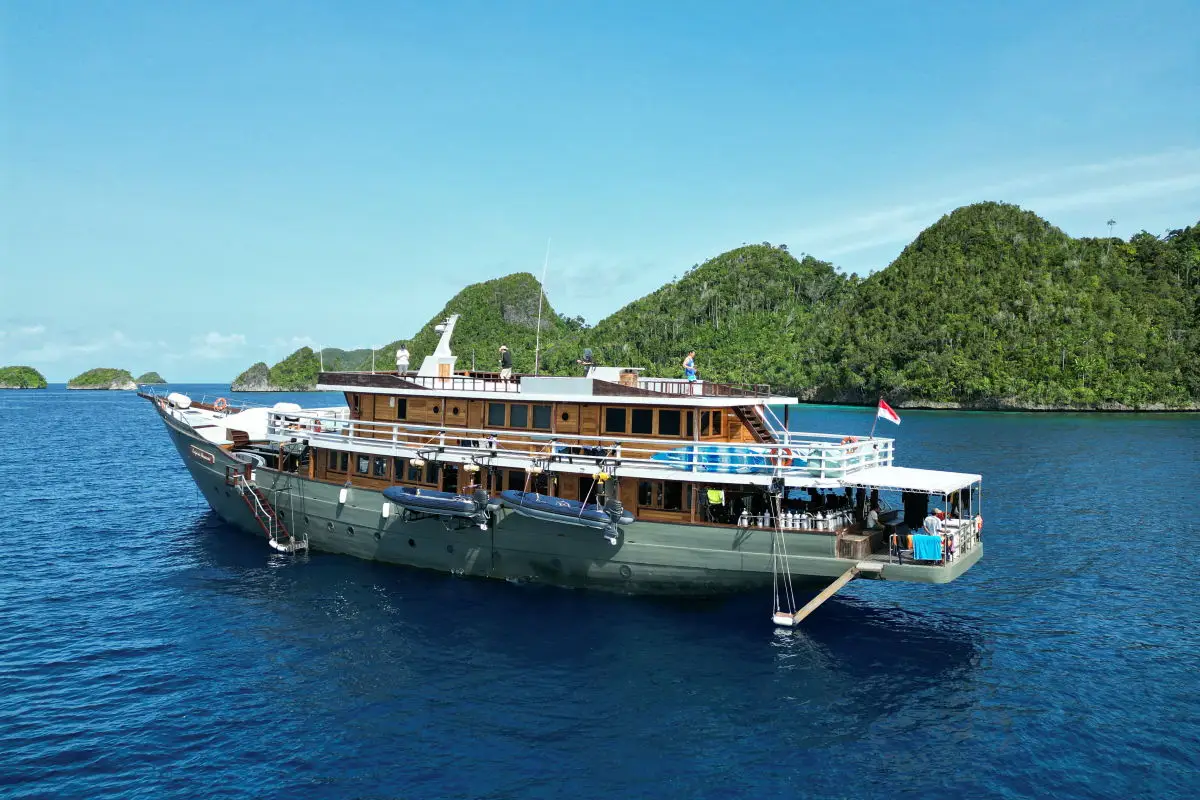
By 2027, most foreign buyers will need a locally incorporated company, at least one Indonesian-flagged phinisi, an Indonesian captain with the right license class, and compliance with cabotage, wooden yacht, and Bali environmental rules. Expect 6–12 months for full legal phinisi ownership Indonesia 2027 rules implementation from purchase to charter readiness.
How is Indonesian phinisi ownership likely to be structured legally by 2027?
By 2027, the best legal structure for phinisi ownership will almost always be an Indonesian limited-liability company with foreign investment status. Current practice already favors a foreign-investment vehicle for buyers who want to charter, and regulators are tightening oversight rather than loosening it. Foreign private ownership under another flag is increasingly constrained by cabotage rules Indonesia yachts must follow when operating domestically.
For buyers targeting Bali–Komodo routes, a foreign-owned company with a local partner allows Indonesian flag registration, aligns with cabotage, and simplifies hiring Indonesian crew. A detailed option analysis similar to a pt pma structure for phinisi charter 2027 will likely remain the reference model, especially for multi-boat fleets and investors planning digital charter sales.
By 2027, authorities are expected to ask more questions about ultimate beneficial owners and phinisi co ownership agreement structures, particularly for boats marketed fractionally online. That means clearer share registers, notarised shareholder agreements, and verifiable proof that management control sits inside Indonesia for Indonesian-flagged yachts. Owners who formalise governance early will find surveys, insurance and charter permits faster and smoother.
Will cabotage and BKI rules for phinisi tighten for charter yachts?
Indonesia’s cabotage regime already favors Indonesian-flagged vessels carrying passengers in domestic waters, and there is little sign of this softening before 2027. If anything, enforcement is expected to become stricter around Bali, Labuan Bajo and Raja Ampat, especially for yachts taking paying guests between domestic ports like Benoa, Serangan and Labuan Bajo.
BKI rules for phinisi (the technical standards applied by the Indonesian classification society) are evolving step by step to reflect modern safety expectations for wooden hulls. Inspections increasingly focus on stability calculations, fire systems, life-saving appliances and electrical refits, particularly after each major yard period. By late 2026, buyers can already see surveyors paying closer attention to lithium batteries, tender davits and dive compressors.
By 2027, owners should expect clear written survey findings before each 5‑year cycle, mandatory rectification timelines, and closer data-sharing between BKI, the harbor masters in Bali and Eastern Indonesia, and immigration for Indonesian e-voa yacht passengers. An Indonesian-flagged charter phinisi that is out of BKI class will likely find charter permits, insurance and port clearances more difficult to obtain.
How will environmental and anchoring rules affect Bali-based phinisi by 2027?
Bali environmental rules for yachts are already moving from recommendations to enforceable local regulations, and this trajectory should be assumed in any 2027-forward ownership plan. Expect stronger requirements for waste-water management, garbage segregation, fuel spill equipment and proof of legal fuel sourcing around Benoa and Serangan.
Phinisi anchoring rules Indonesia are also tightening. Sensitive reef areas near Nusa Penida, Nusa Lembongan and popular bays in the Gili Islands increasingly restrict traditional anchoring in favor of moorings. Regional decrees issued around 2024–2026 are expanding no-anchor zones, and by 2027, digital charts and local notices to mariners are likely to carry more explicit prohibitions backed by fines.
Future owners who plan routes with reference to the expected bali coastal regulations impact on phinisi 2027 will be better positioned. Insurance underwriters already factor habitat damage risk into premiums, and surveyors are starting to check for appropriate ground tackle, mooring plans and tender procedures for reef entries. These changes also affect operations linked to phinisi diving course upsell packages, as dive schools must demonstrate strict environmental practices.
What crewing, licensing and onboard-activity rules could shape operations?
Indonesian captain license classes are central to 2027 compliance. Different tonnage and service areas require different levels of certification, and enforcement is intensifying around tourist ports. For commercial phinisi, owners should anticipate that captains and key officers will need valid, verifiable Indonesian licenses matching the yacht’s gross tonnage and area of operation.
Wooden yacht regulations Indonesia are gradually catching up with international norms, especially around fire safety and structural integrity for vessels carrying more than twelve passengers. This affects crew numbers, watch-keeping standards and minimum safety equipment. As digital booking expands, inspections of entertainment and activity equipment also grow more detailed.
Phinisi drone flying regulations are also expected to evolve. Current practice already requires respecting aviation authority rules near airports and dense coastal settlements, and by 2027, written standard operating procedures and guest consent for aerial filming will likely be common on charter yachts. Similarly, phinisi fishing regulations Indonesia are becoming more tightly enforced, particularly regarding protected species and gear types. Owners who include fishing and drone usage in standard itineraries should embed compliance clauses and crew procedures into operating manuals and briefings.
How will investment models, co-ownership and guest experience rules develop?
Phinisi fractional ownership and co-ownership structures are rising as more investors diversify into shared-yacht portfolios. By 2027, regulators are expected to demand clearer treatment of these models: ownership shares recorded in Indonesian corporate registries, local tax numbers, and formalised phinisi co ownership agreement documents that split personal use from charter time and allocate maintenance responsibilities.
Digital charter demand is projected to grow strongly into 2027, driven by meta-search and instant-book platforms, as covered in analyses of digital booking trends for phinisi charter 2027. That growth increases scrutiny on price transparency, phinisi tipping etiquette Indonesia norms, and clarity about what is or is not included in charter packages.
Guest-facing rules will gradually touch more aspects of onboard life: fair treatment for phinisi women in maritime roles, clear information on gratuities, and safety protocols for activities such as diving, fishing, and drone operations. Owners who frame onboard diving activity as a formal phinisi diving course upsell will need to align with accredited training standards and local dive-site capacity guidelines, which provincial governments are beginning to formalise to protect busy reefs.
What happens if I build or import a phinisi into Indonesia before 2027?
Owners who plan to import phinisi to Indonesia rules must consider customs valuation, tax on luxury goods, and the obligation to meet Indonesian technical standards once the vessel is in local waters. Import duties are calculated using official customs exchange rates; on 8 July 2026, for example, the Directorate General of Customs listed 1 USD at 18,037 IDR for customs purposes.
For new builds in Indonesian yards, local registration and BKI classing are integrated from the start, simplifying alignment with wooden yacht regulations Indonesia applies to passenger-carrying vessels. For foreign-built hulls, there can be an extra layer of surveys, documentation translation and potential refits to match Indonesian norms on fire protection, safety signage and emergency equipment.
Owners need a realistic capital timeline: hull or purchase payments, import taxes or domestic build instalments, then 3–6 months of paperwork, modifications and sea trials. Only after that sequence does full operation under 2027 rules become practical, particularly for those aiming directly at the charter market or re-sale channels such as a curated marketplace for used phinisi for sale with crew.
- Typical build or acquisition to full compliance timeline: 6–12 months, excluding major refits.
- Expect 20–40% of purchase price in additional costs (surveys, taxes, safety upgrades) as of August 2026.
- Customs uses published USD/IDR rates (e.g., 18,037 IDR per USD on 8 July 2026) for import duties.
- Charter phinisi usually must be Indonesian-flagged and classed by BKI for domestic passenger carriage.
- Harbor masters increasingly require proof of waste and fuel management to issue or renew permits.
- Formal co-ownership agreements are strongly advised for fractional investors sharing one hull.
- Captains and key officers must hold Indonesian licenses appropriate for the vessel’s tonnage and trade.
Frequently asked questions
how much does legal phinisi ownership Indonesia 2027 rules cost in Bali?
For a charter-focused ownership in Bali, buyers should budget vessel price plus 20–40% for legal, tax, survey and regulatory compliance as of August 2026. Smaller traditional phinisi may require under USD 150,000 equivalent in upgrades, while larger luxury builds can need several hundred thousand dollars, depending on age, condition and intended survey class.
is legal phinisi ownership Indonesia 2027 rules worth it in Bali?
For buyers planning multi-year operations or resale, aligning with 2027 rules is usually worthwhile. Compliant ownership structures improve access to Indonesian ports, insurance, digital booking channels and financing. Non-compliant operations face higher risks of fines, detentions, or restricted routes, which can quickly erase any savings from shortcuts in licensing or safety upgrades.
what is included in legal phinisi ownership Indonesia 2027 rules?
By 2027, a compliant setup typically includes: an appropriate Indonesian-registered entity, flag registration, BKI class or equivalent safety certification, Indonesian captain and crew licenses, tax registration, environmental and anchoring compliance documentation, and clear passenger procedures covering visas, activity safety, tipping guidelines and record-keeping for domestic and international guests.
Can foreign nationals hold fractional shares in a Bali-based phinisi?
Foreign nationals are generally allowed to hold indirect fractional interests through Indonesian companies that own the vessel. The exact structure must align with foreign investment rules and cabotage requirements. A robust phinisi fractional ownership framework uses shareholder agreements, clear booking priority rules, and transparent accounting for operating costs and charter revenue.
How will guest visas and Indonesian e-voa yacht passengers be handled by 2027?
By 2027, electronic visas on arrival are expected to be standard for many yacht guests entering via Bali or other international gateways, with data shared more tightly between immigration and port authorities. Owners should anticipate online pre-registration, verified manifests, and the need to align cruise itineraries with declared ports of arrival and departure for all passengers.
For buyers planning ahead to 2027 and beyond, the next step is to map a concrete ownership and compliance pathway. For tailored guidance on structures, survey expectations and Bali-specific rules, contact the BD desk at Juara Holding Group via WhatsApp 6281139414563 or email bd@juaraholding.com.
Last updated 1 August 2026