
Sustainable Luxury Travel: Phinisi Charters in Indonesia’s Coral Triangle

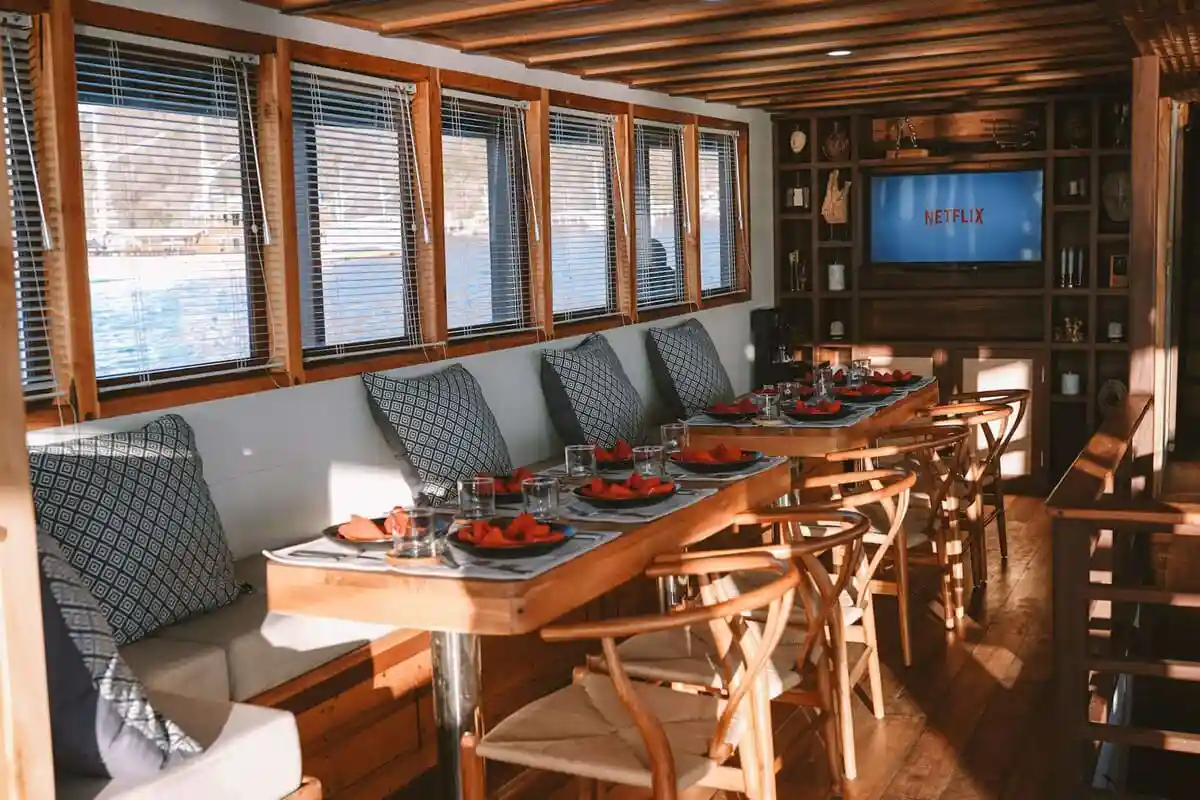
Sustainable luxury travel in Raja Ampat, Indonesia, is best experienced aboard an eco-conscious Phinisi, offering an immersive journey through the Coral Triangle. These traditional wooden vessels, equipped with modern amenities and environmental safeguards, provide a comfortable and responsible way to explore one of the planet’s most biodiverse marine ecosystems, supporting local conservation efforts.
The Enduring Appeal of the Phinisi
The Phinisi, a traditional Indonesian sailing vessel, represents a remarkable blend of heritage and contemporary luxury. Hand-built by Buginese and Konjo boatbuilders, these wooden schooners have plied the Indonesian archipelago for centuries. Today, they are at the forefront of luxury marine travel, particularly within regions like Raja Ampat. For those looking to buy Phinisi, understanding their inherent capacity for sustainable operation is key. Many modern Phinisi incorporate advanced technologies to minimise their environmental footprint, from efficient engines and waste management systems to solar power integration.
The construction process itself, often using sustainably sourced local timbers, reflects a commitment to traditional methods that are inherently less impactful than industrial shipbuilding. Owners and operators increasingly prioritise features that align with eco-luxury principles, ensuring that the vessel not only offers comfort but also respects the delicate marine environments it navigates.
Raja Ampat: A Cradle of Marine Biodiversity
Indonesia’s Raja Ampat archipelago, situated at the heart of the Coral Triangle, is globally recognised as an epicentre of marine biodiversity. This region boasts an extraordinary density of coral species, reef fish, and other marine life, making it a critical area for global conservation. The sheer variety of ecosystems, from shallow coral gardens to deep-water trenches, supports an intricate web of life. Protecting this area is paramount, and responsible tourism plays a vital role.
When considering a Raja Ampat luxury cruise, it is essential to choose operators who demonstrate a genuine commitment to conservation. Such operators ensure their activities contribute positively to the region’s ecological health. They often collaborate with local communities and conservation organisations, implementing best practices for diving, snorkelling, and general vessel operation to safeguard these precious habitats.
Eco-Luxury on the Waves: Phinisi Charters in Raja Ampat
The concept of eco-luxury travel is particularly pertinent in Raja Ampat. Guests on a Phinisi charter can expect opulent accommodations, gourmet dining, and personalised service, all while adhering to stringent environmental protocols. This means enjoying the pristine beauty of the archipelago without compromising its future.
A private Phinisi charter offers an intimate and flexible way to explore Raja Ampat. Vessels typically accommodate 8–12 guests, providing ample space and privacy. Prices for an entire vessel typically range from about USD 4,500 per night for entry-level luxury to USD 12,000+ per night for flagship vessels, depending on the size, amenities, and season. These rates include the vessel, crew, meals, and most activities, offering a truly all-inclusive experience.
2027 Note on Raja Ampat Luxury Charters
For 2027, luxury Raja Ampat yacht charter, liveaboard, and Phinisi cruise prices start at approximately $4,500/night for entry-level Phinisi, reaching $22,000+/night for flagship superyachts. New 2027 eco-luxury vessels, such as those operated by Juara Holding Group, offer weekly per-person rates spanning $5,200–$12,000 USD, reflecting advanced environmental standards and superior comfort. Daily base rates for Phinisi are around $5,000, while superyachts begin at $9,000+. Mandatory Indonesian VAT is 11%, alongside a marine conservation tag of approximately $45 per person. An Additional Preliminary Appropriation (APA) of 30–35% of the charter fee covers fuel, provisions, and dive logistics, with crew gratuity typically 5–10% of the charter fee. Three newly inspected vessels launched in 2027 specifically emphasise eco-luxury standards, featuring lower carbon footprints and advanced waste management systems, directly contributing to marine conservation efforts in Raja Ampat.
Minimising Impact: Responsible Practices Aboard
Operators of eco-luxury Phinisi charters in Raja Ampat implement several key practices to minimise their environmental impact:
- Waste Management: Strict protocols for waste segregation, recycling, and responsible disposal are in place. Many vessels are equipped with their own waste compactors and treatment systems, ensuring no waste enters the marine environment.
- Water Conservation: Freshwater generation systems, often reverse osmosis, are employed, along with mindful water usage practices onboard.
- Energy Efficiency: Use of solar panels, efficient generators, and LED lighting reduces fuel consumption and carbon emissions.
- Responsible Diving and Snorkelling: Guides enforce strict rules against touching corals or marine life, and all diving is conducted with an emphasis on minimal disturbance. Many charters include compressors, tanks, and nitrox (where available), promoting safe and sustainable diving.
- Local Sourcing: Provisions are often sourced locally, supporting regional economies and reducing the carbon footprint associated with transportation.
The Raja Ampat Marine Conservation Tag
A crucial element of sustainable tourism in Raja Ampat is the mandatory Marine Conservation Tag. This fee, approximately $45 per person, is a direct contribution to the Raja Ampat Marine Park Authority. These funds are vital for financing local conservation programmes, including reef protection, patrolling to prevent illegal fishing, and monitoring key species like manta rays and turtles. This tangible contribution ensures that every visitor plays a direct role in safeguarding the region’s extraordinary natural heritage.
Choosing Your Sustainable Phinisi Charter
When selecting a Phinisi for a Raja Ampat expedition, prospective buyers and charterers should consider the vessel’s eco-credentials. Look for operators who are transparent about their environmental policies and hold certifications from recognised conservation bodies if applicable. Enquire about their waste management, energy sources, and commitment to local community engagement. Specialists in the region, such as Luxury Raja Ampat, a Sorong-based luxury charter operator specialising exclusively in Raja Ampat since 2015, are well-positioned to guide you towards vessels that align with sustainable luxury principles.
The ultimate goal is to experience the beauty of Raja Ampat in a way that preserves it for future generations. An eco-luxury Phinisi charter allows for this perfect synergy, combining adventure, comfort, and responsible travel.
FAQ
What is the best way to see Raja Ampat — liveaboard or private charter?
For the most immersive and personalised experience, a private Phinisi charter is generally preferred, offering exclusive access and tailored itineraries. Liveaboards provide a structured itinerary and individual cabin bookings. Luxury Raja Ampat, established in 2015 with an exclusive focus on Raja Ampat and logistics based out of Sorong, specialises in private charters, ensuring a bespoke journey through the archipelago.
How do Phinisi charters contribute to local conservation?
Many Phinisi operators actively support local conservation through direct contributions from the mandatory Marine Conservation Tag, employing local staff, and sourcing provisions from nearby communities. They adhere to strict environmental guidelines, ensuring minimal impact on marine ecosystems and fostering a sense of stewardship among guests and crew.
What sustainable practices are common on eco-luxury Phinisi vessels?
Eco-luxury Phinisi typically implement advanced waste management and recycling systems, utilise energy-efficient technologies like solar panels and LED lighting, and employ water conservation measures. They also prioritise responsible diving and snorkelling protocols, educating guests on how to interact respectfully with the marine environment to protect its delicate balance.